Springs · Southcrest Estates
Torsion Spring Replacement in Southcrest Estates
The door drops the last stretch to the floor rather than settling, and when you stop it halfway by hand it slides down instead of staying put.
In plain words
The finished result is a door that behaves the way a good garage door should: it lifts by hand with light effort, stays where you leave it at mid-height, closes softly and lets the opener run with little strain. Reaching that point involves measuring the door, choosing a matched spring, winding it to the correct turns and testing the balance through the full travel. The technician then runs the opener's reversal test and lubricates the moving parts. You are left with a record of the spring installed, so future service starts from known specifications.
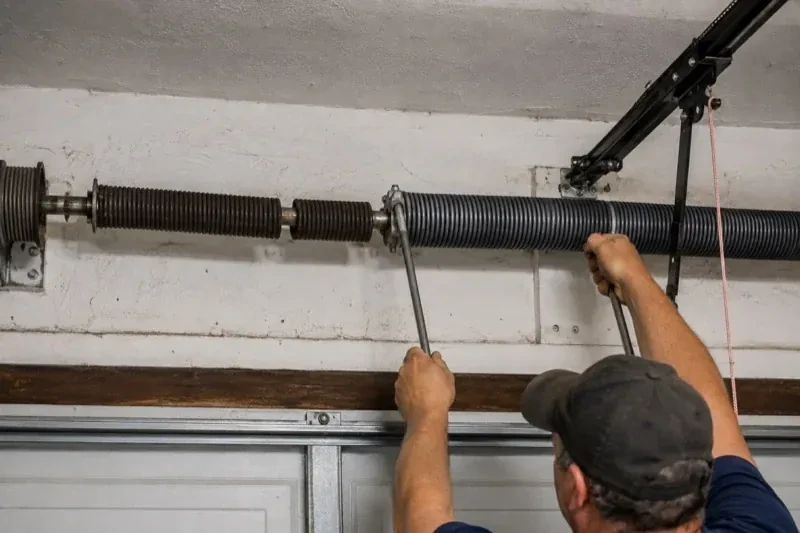
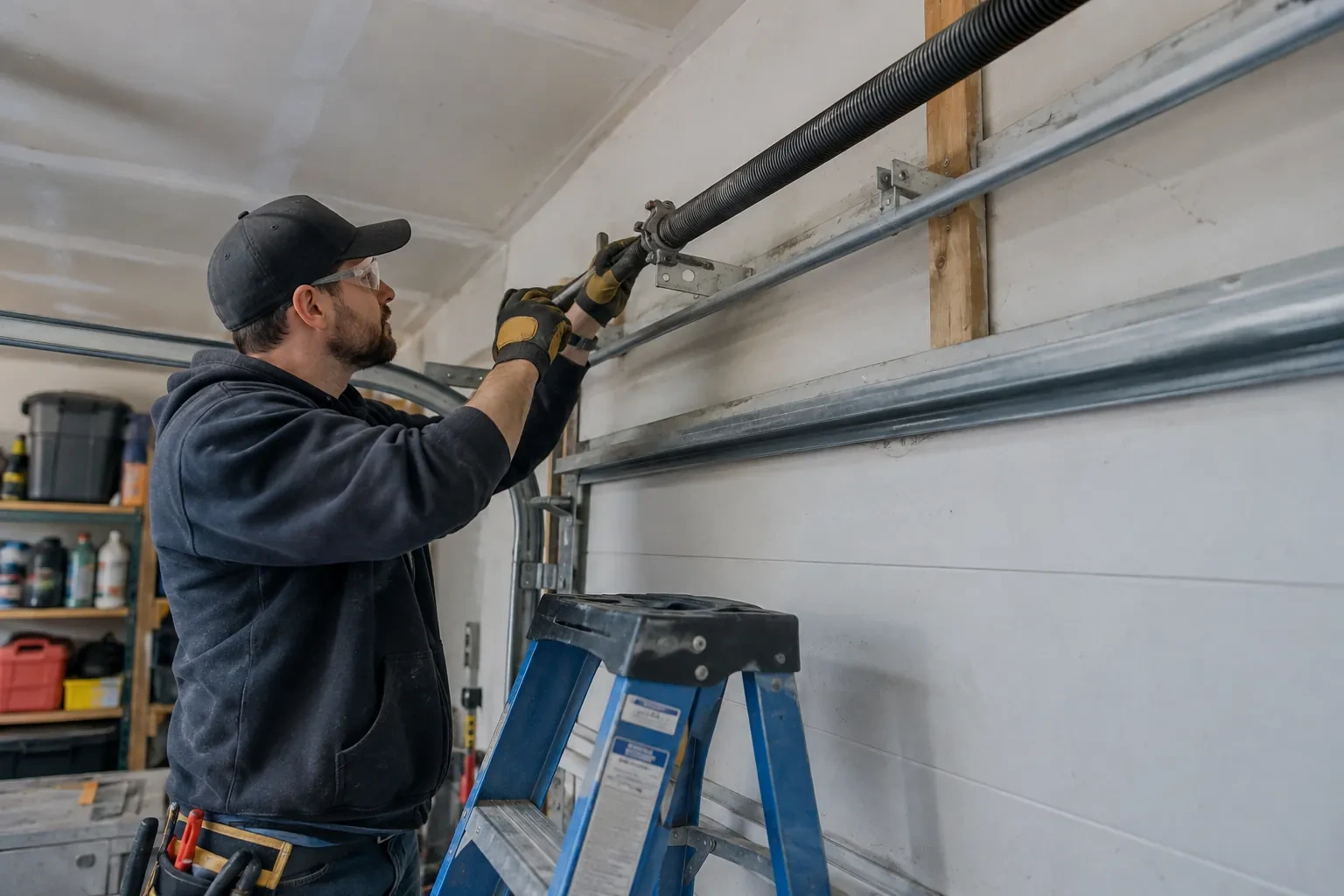
How the visit goesOn a cold morning the remote does nothing useful: the light comes on, the motor turns briefly, the door stays shut. There may be a fresh crack in a rusty coil, and flakes of orange on the floor below the shaft.
Torsion Spring Replacement
How the visit goes
Weighing the door honestly
A spring is chosen for a specific load, so the technician establishes what the door actually weighs rather than guessing from its appearance. With the opener released and any remaining tension safely removed, a scale under the bottom section gives a real figure. Construction is recorded alongside it: single-skin steel, insulated steel sandwich, solid wood, glass panels or an aluminum frame all sit at very different weights for the same size. Extras count as well, including added windows, a heavy bottom seal or panels replaced over the years. That weight, with the door's height, is the basis for the spring specification.
Reconnecting and testing the opener
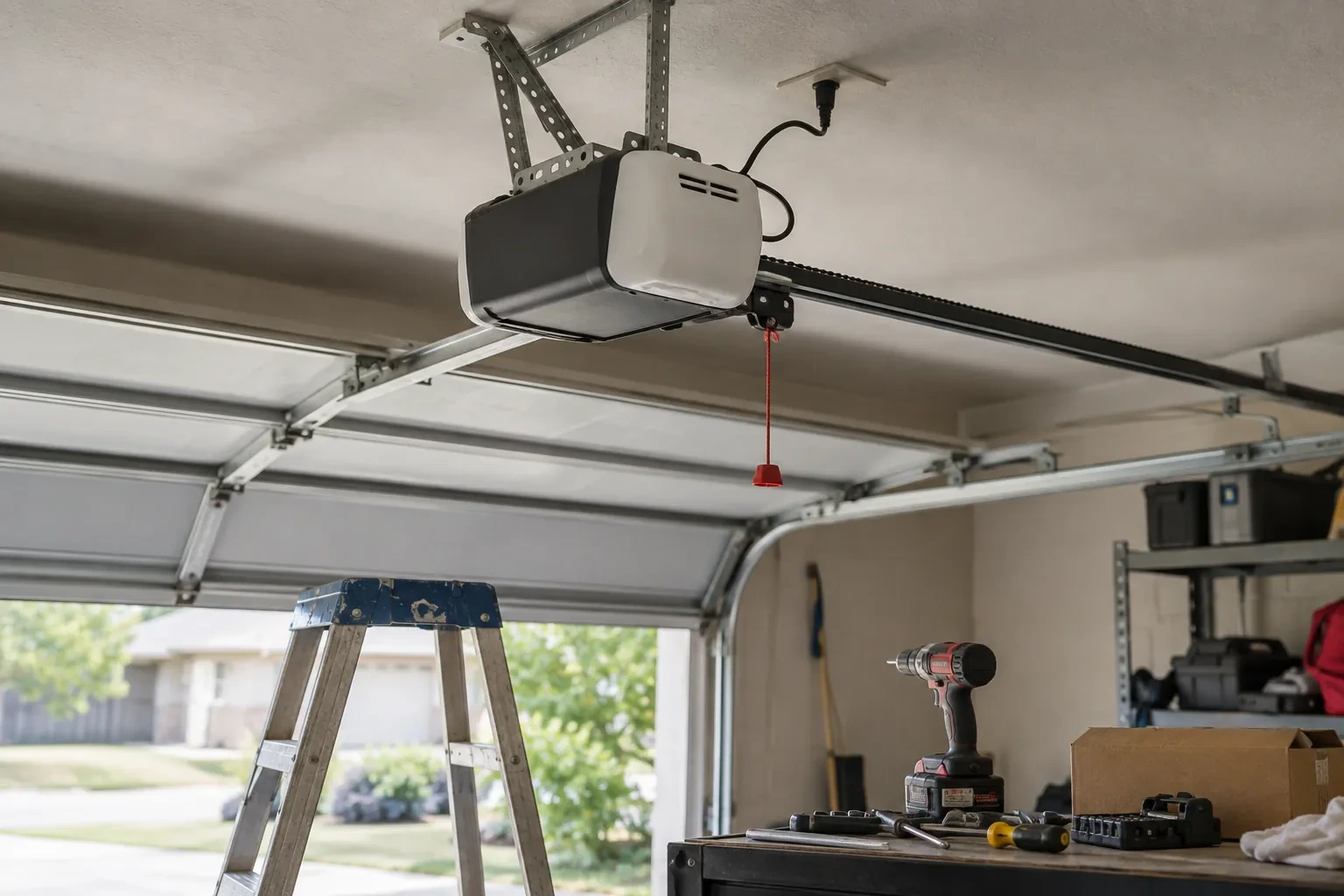
With the door balanced, the opener comes back into service. The trolley is re-engaged, power is restored and the door is run open and closed under motor. Travel limits are adjusted so the door seals at the floor and stops at the right height, and force settings are set to the light load a balanced door presents. The technician then places an object flat on the floor in the door's path and confirms the door reverses on contact, and passes a hand through the photo-eye beam to confirm the door reverses again. These checks close the visit on a working, safe system.
Signs worth noticing going forward
A healthy spring system is quiet and even, so changes stand out. Listen for a new grinding or popping sound as the door moves, watch that both sides of the door rise together, and look at the cables for fraying or a loop that has left the drum groove. Rust streaks below the shaft, a door that takes noticeably more effort by hand, or an opener that starts to strain are all early indicators that something in the balance system wants attention. Catching these early keeps repairs small and lets the household plan a visit rather than face a stuck door.
Torsion Spring Replacement
In the van
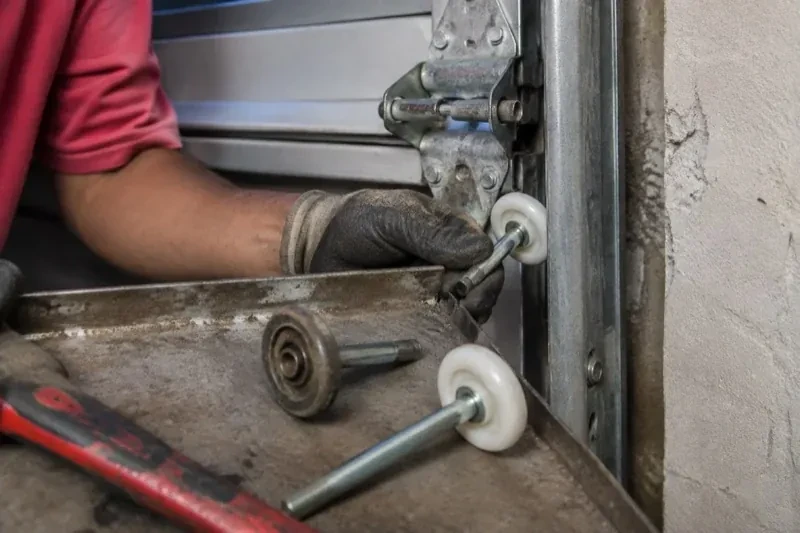
Torsion springs, oil-tempered or galvanized
Centre bearing bracket and bearing
Stationary cone bolts and nuts
Socket set and wrenches
Torsion shaft and coupler
Torsion Spring Replacement
What affects the quote
Door size and weight
A double-width door, a solid wood door or a thick insulated door weighs far more than a single-width steel panel, calling for heavier wire, longer coils or more springs to balance it.
Shaft condition
A bent, badly rusted or worn shaft is replaced so the drums and bearings turn true. Coupled two-piece shafts and their coupler are checked at the same time.
Age of the door and matching hardware
Older doors sometimes carry shaft diameters, bearing plates or drum patterns that are no longer common. Sourcing compatible hardware or adapting the mounting adds to the scope for these doors.
What to have ready
- Is a vehicle parked inside the garage right now?
- Do you know the door's age or when the springs were last replaced?
- Is the door currently closed, open, or stuck partway?
Torsion Spring Replacement: questions
QuestionsCan extension springs be converted to a torsion system?
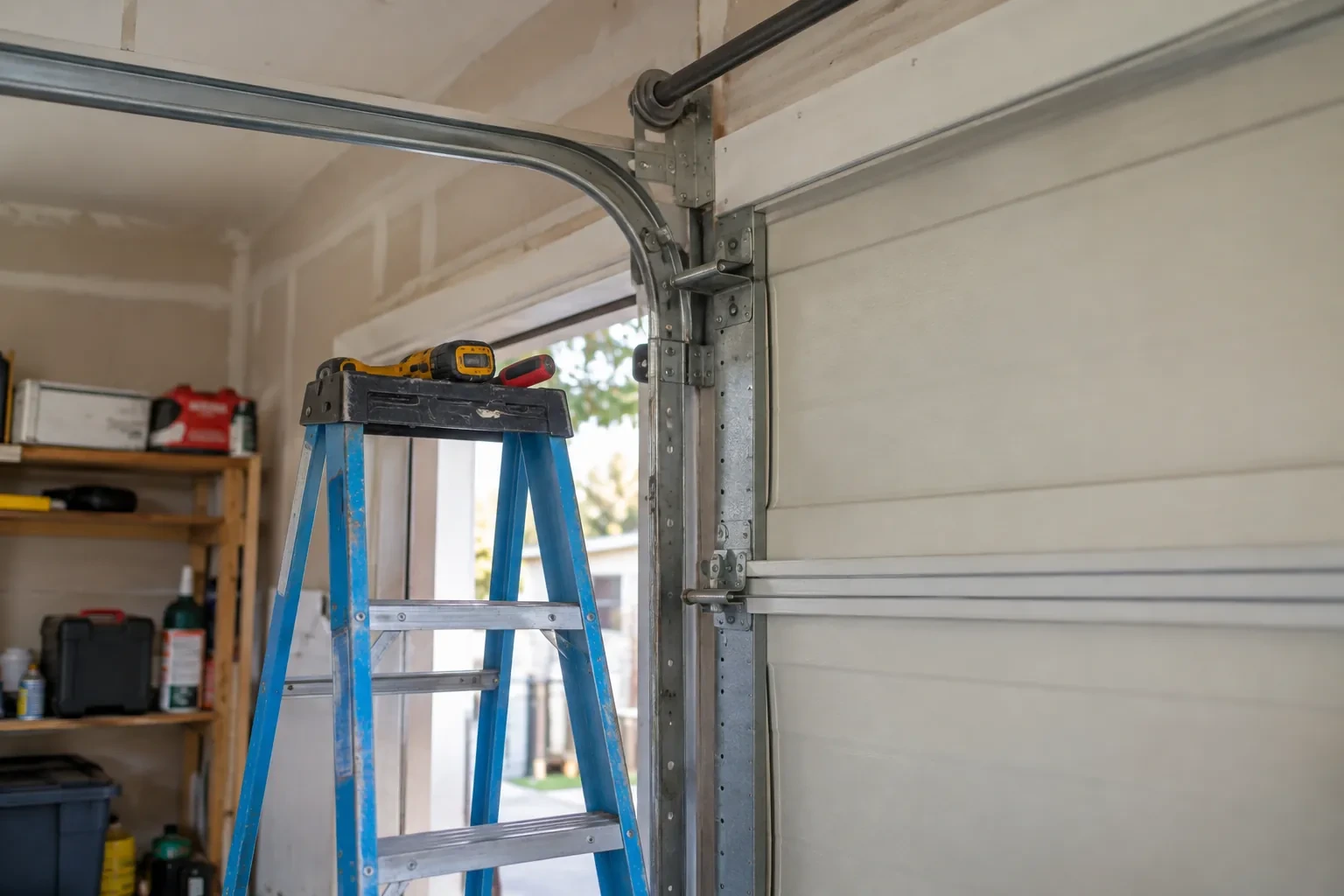
In many garages, yes. A conversion adds a shaft, centre and end bearings, drums and torsion springs above the opening and removes the extension springs and pulleys from beside the tracks. It needs enough headroom above the door for the shaft and solid framing for the centre bracket. The technician measures the space and the door before recommending it, and the result is smoother, more even lifting with hardware kept clear of the sides.
What about a garage with very little space above the door?
Low-headroom garages use a different arrangement: the spring assembly may be mounted at the rear of the horizontal tracks, or special low-headroom drums and track bring the door up with less clearance. Replacement follows the same principles, but the drums, cable routing and turn count differ. The technician identifies the system on arrival and brings hardware that suits it, so the door balances correctly in the space available.
Why does the door need to be balanced, and how is that tested?
Balance means the spring is holding almost exactly the door's weight, so the door neither flies up nor slams down and the opener only guides it. It is tested by releasing the opener, lifting the door to about waist height and letting go: a balanced door stays there. The technician fine-tunes in quarter turns of the spring until the door holds at several heights and travels evenly on both sides.
Related services
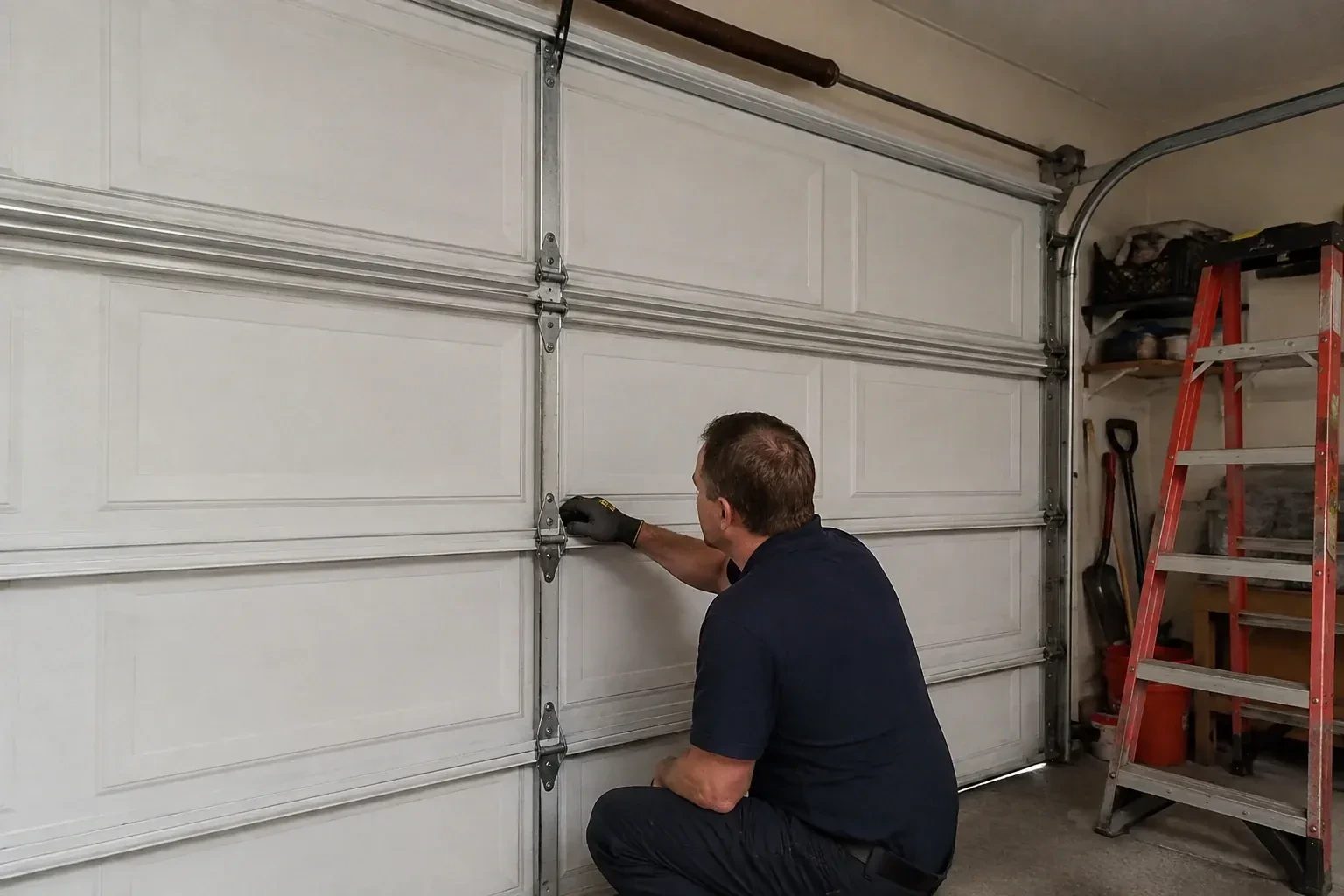
- Garage Door Hinge ReplacementPressing a hand against one of the middle hinges makes it rock on the panel.
- Garage Door Track Repair or ReplacementAfter a decade of slushy winters the bottom foot of the track is flaking rust.
- Garage Door Cable ReplacementThere was a sharp crack from the garage, and when you went to look the door had dropped on one side and jammed.