Garage Doors in Westmount, OntarioHeavy door.Steady hands.
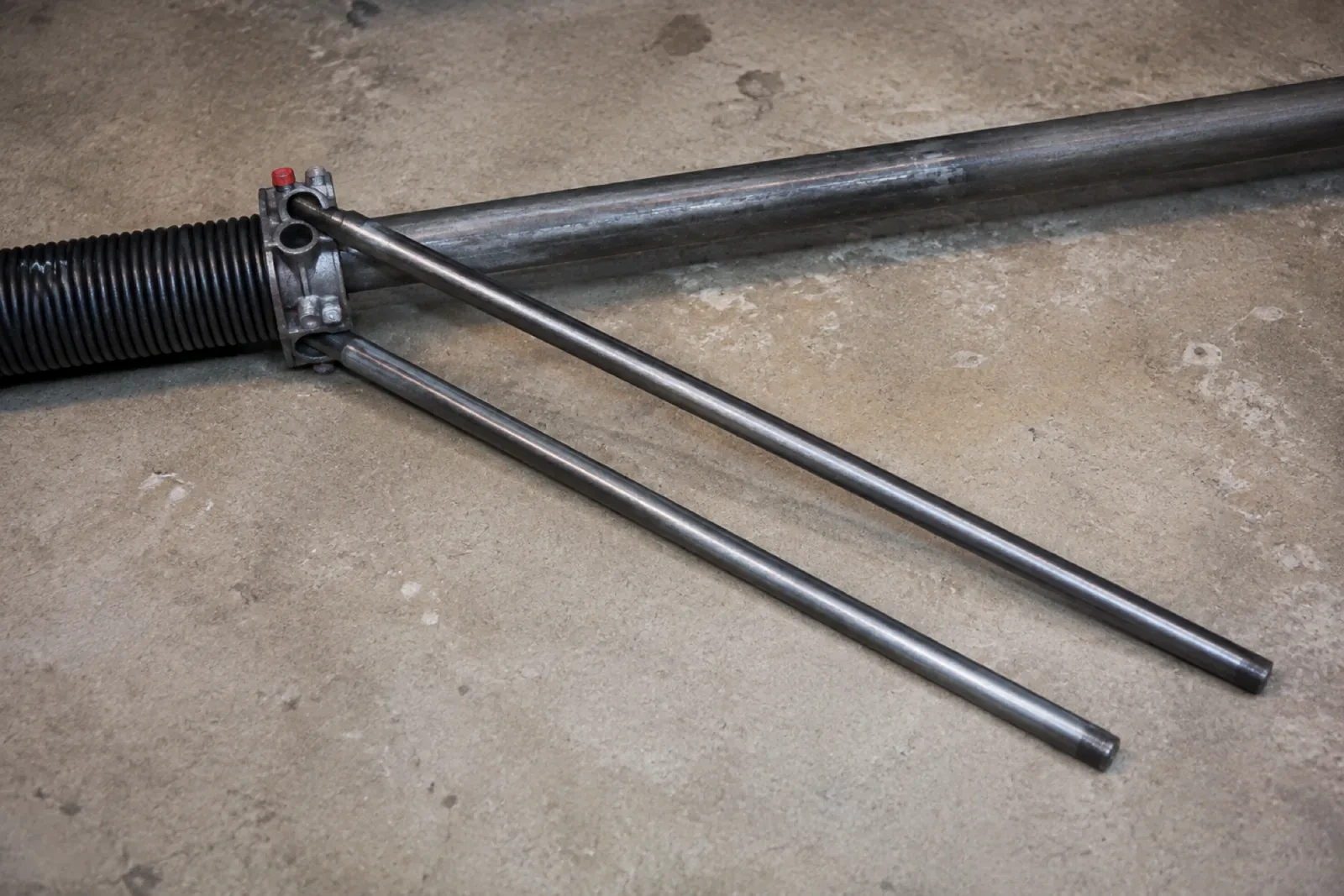
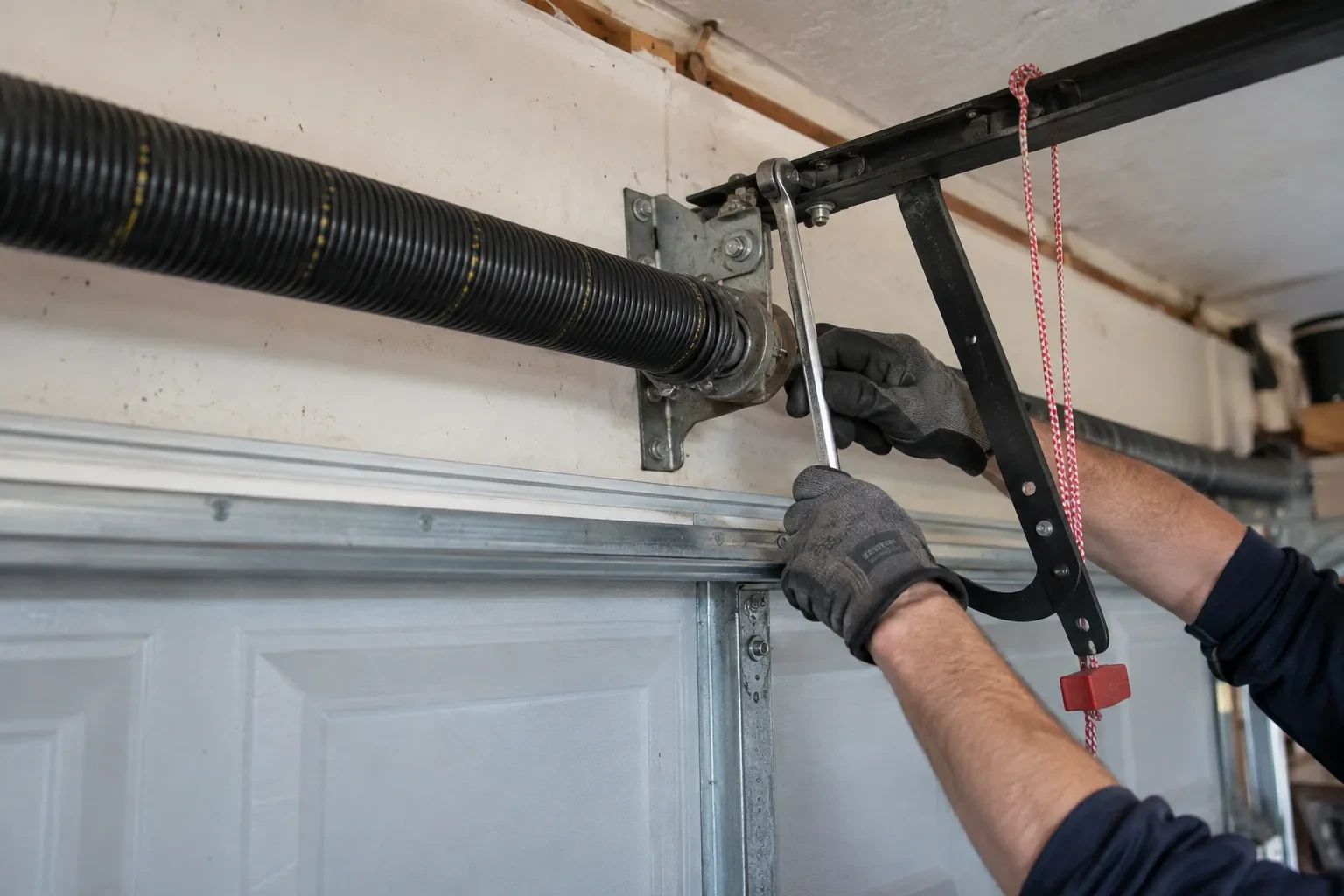
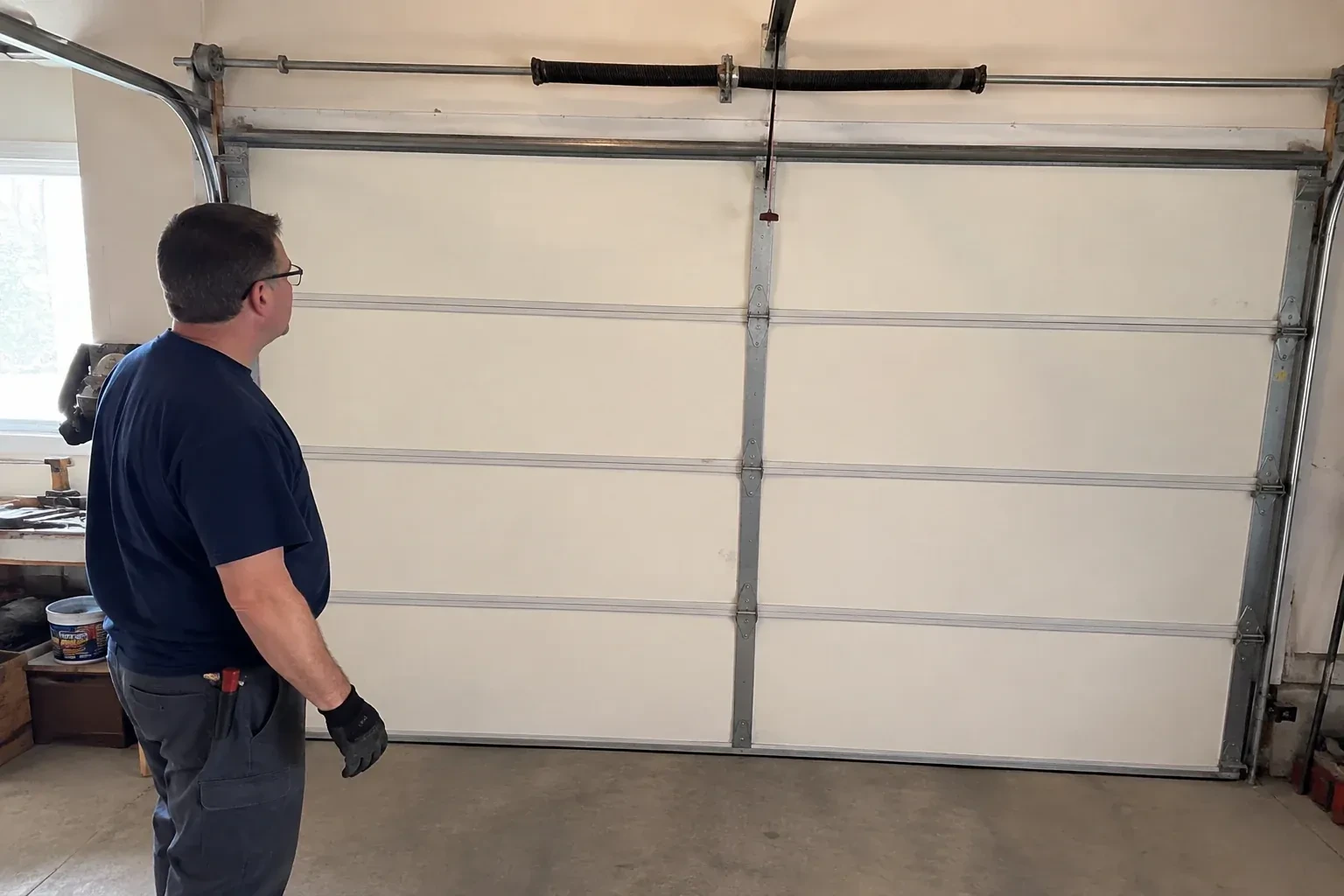
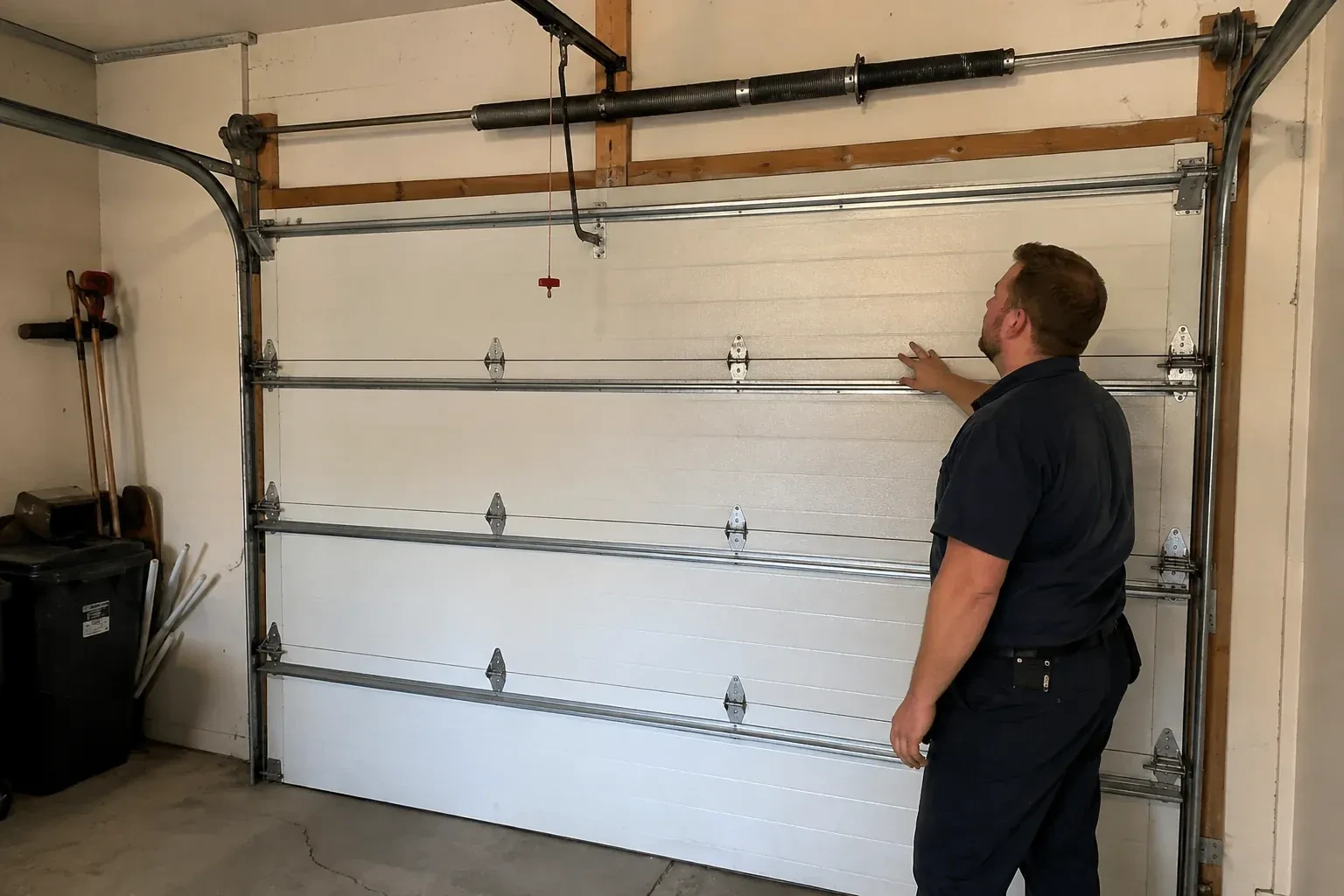
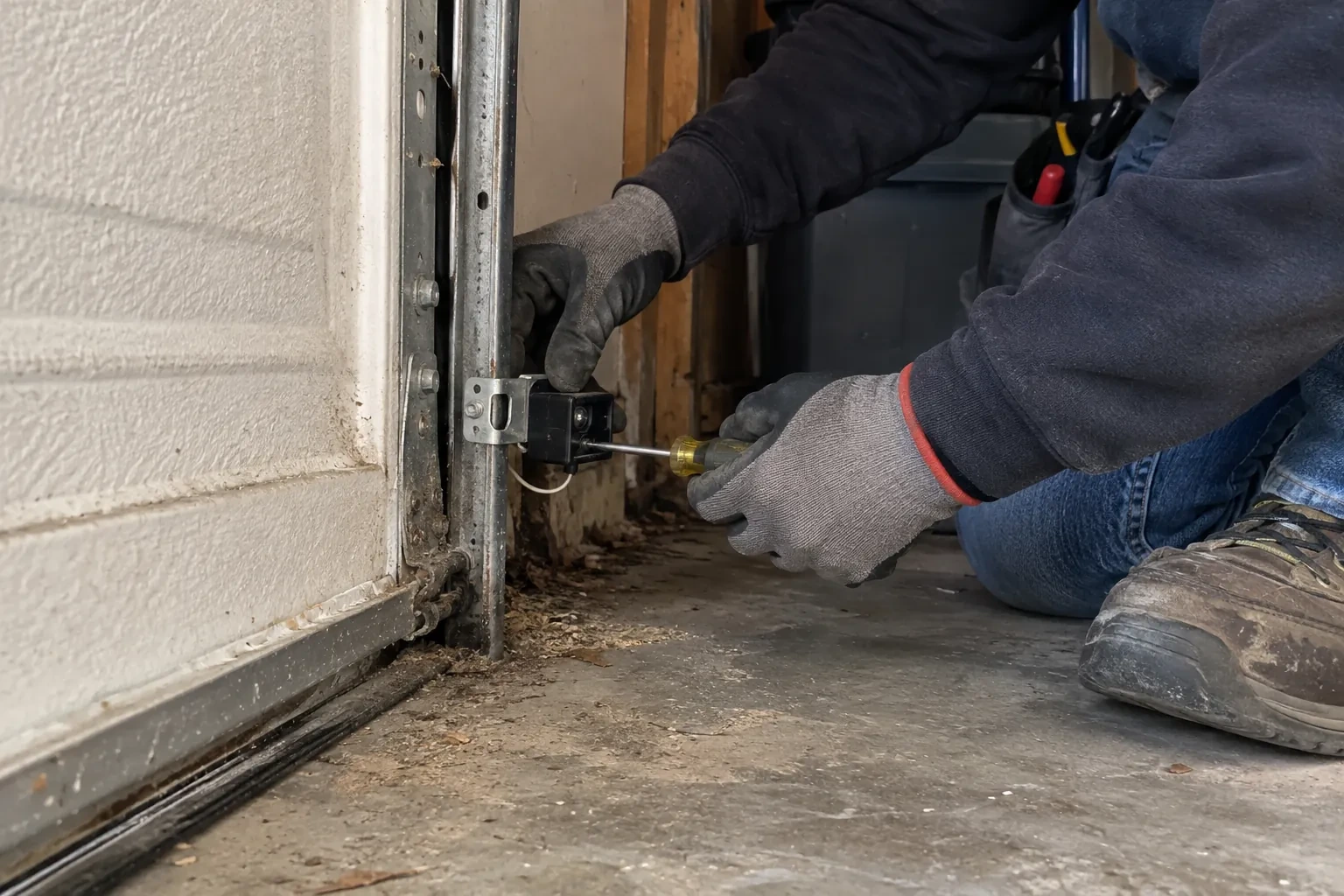
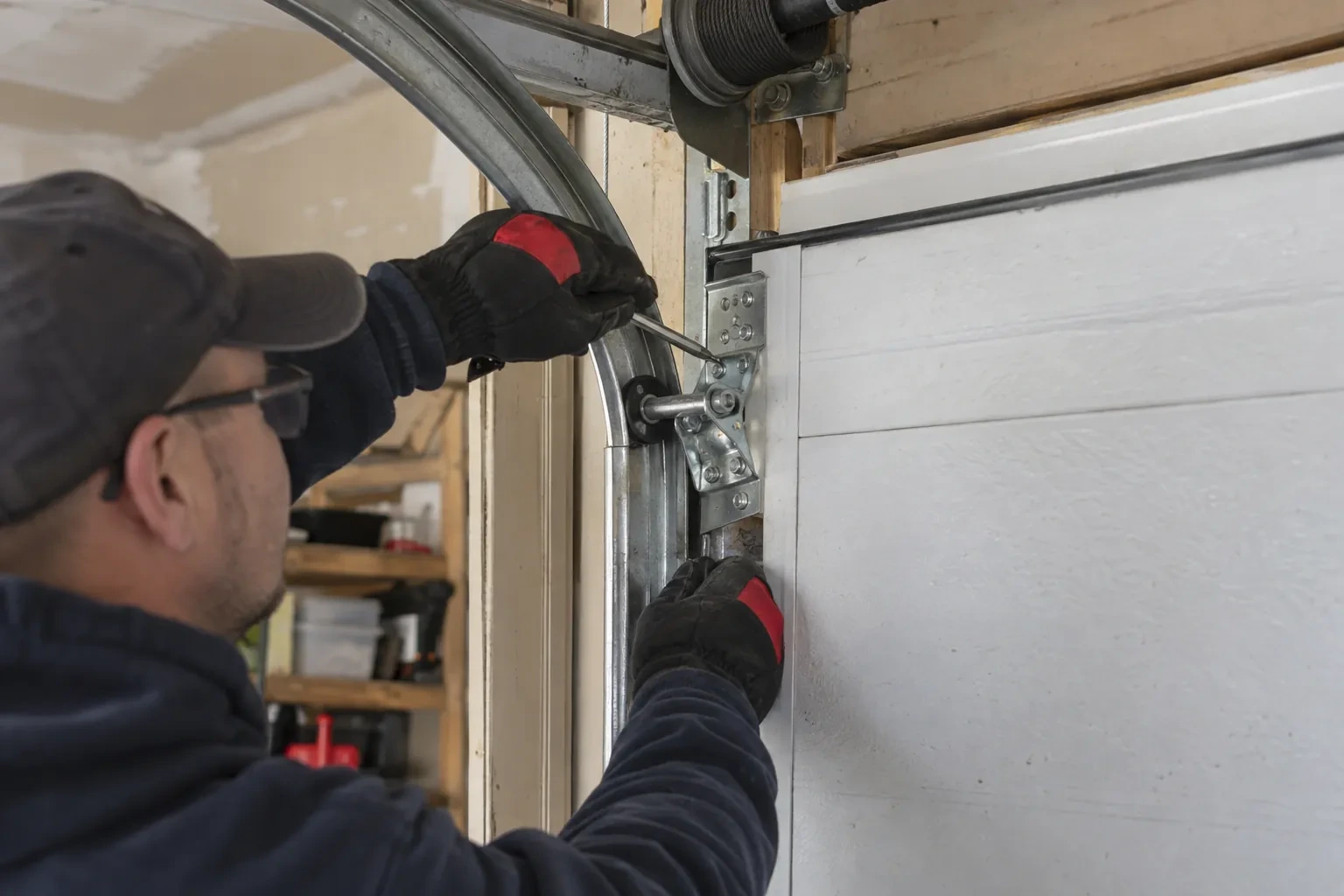
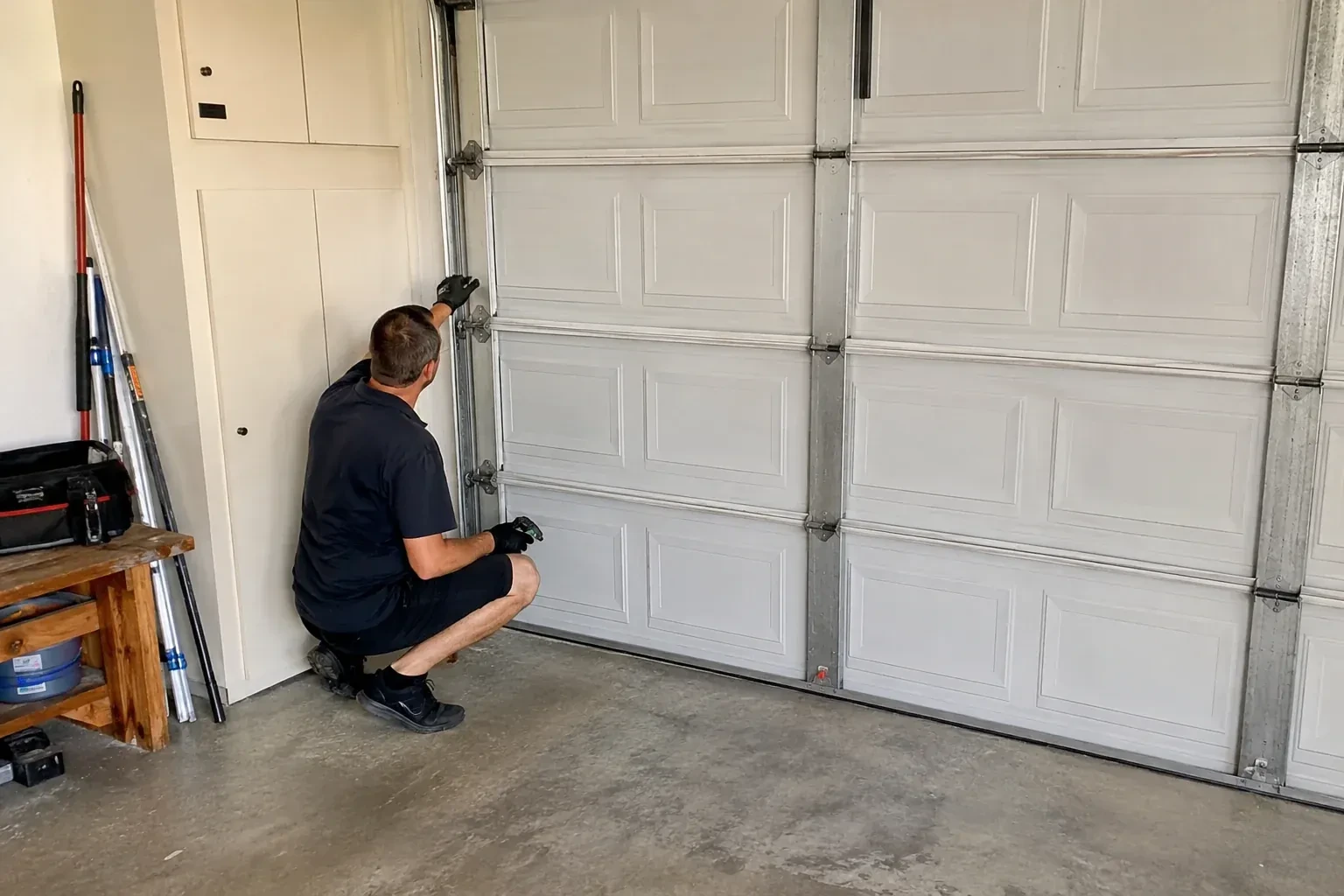
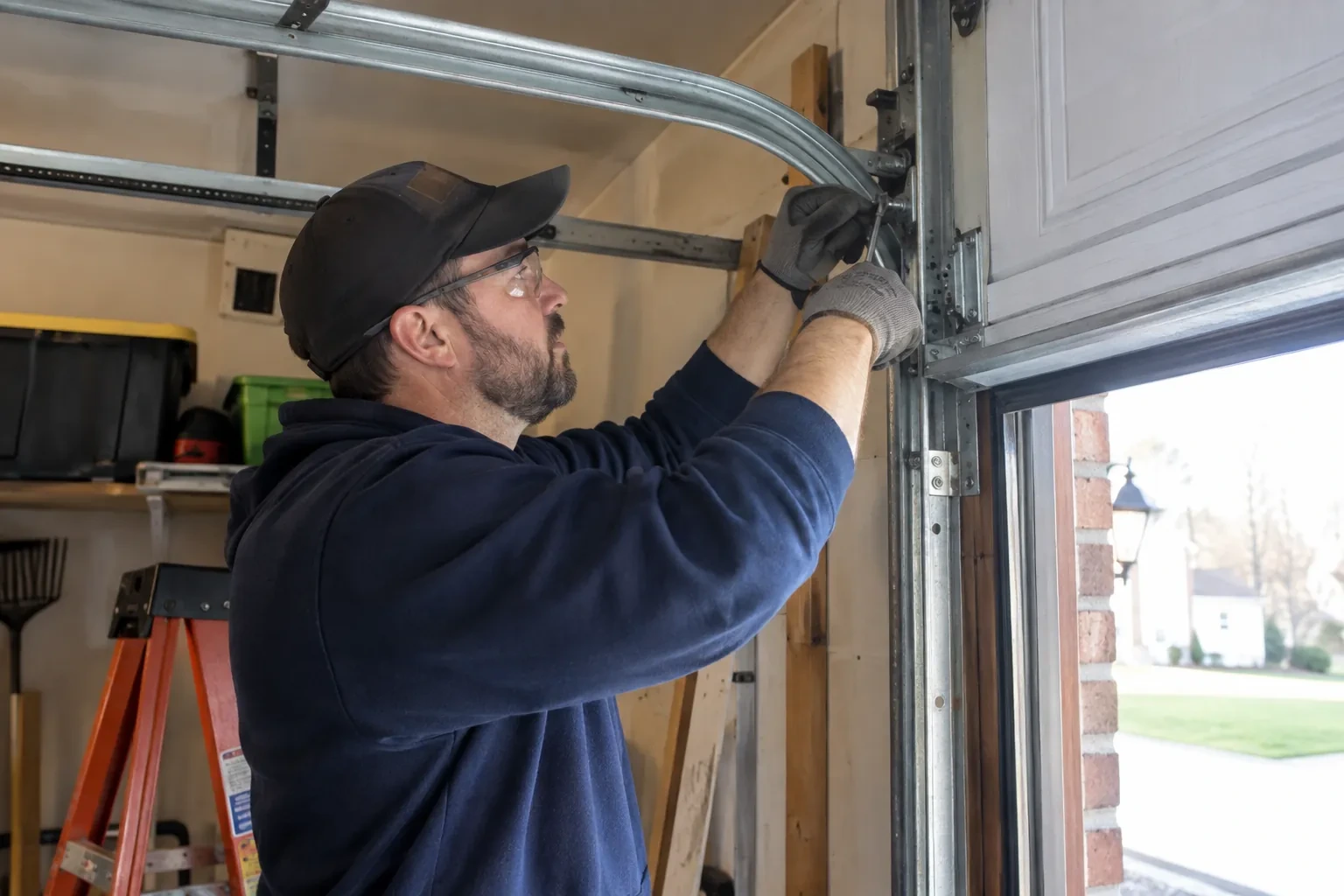
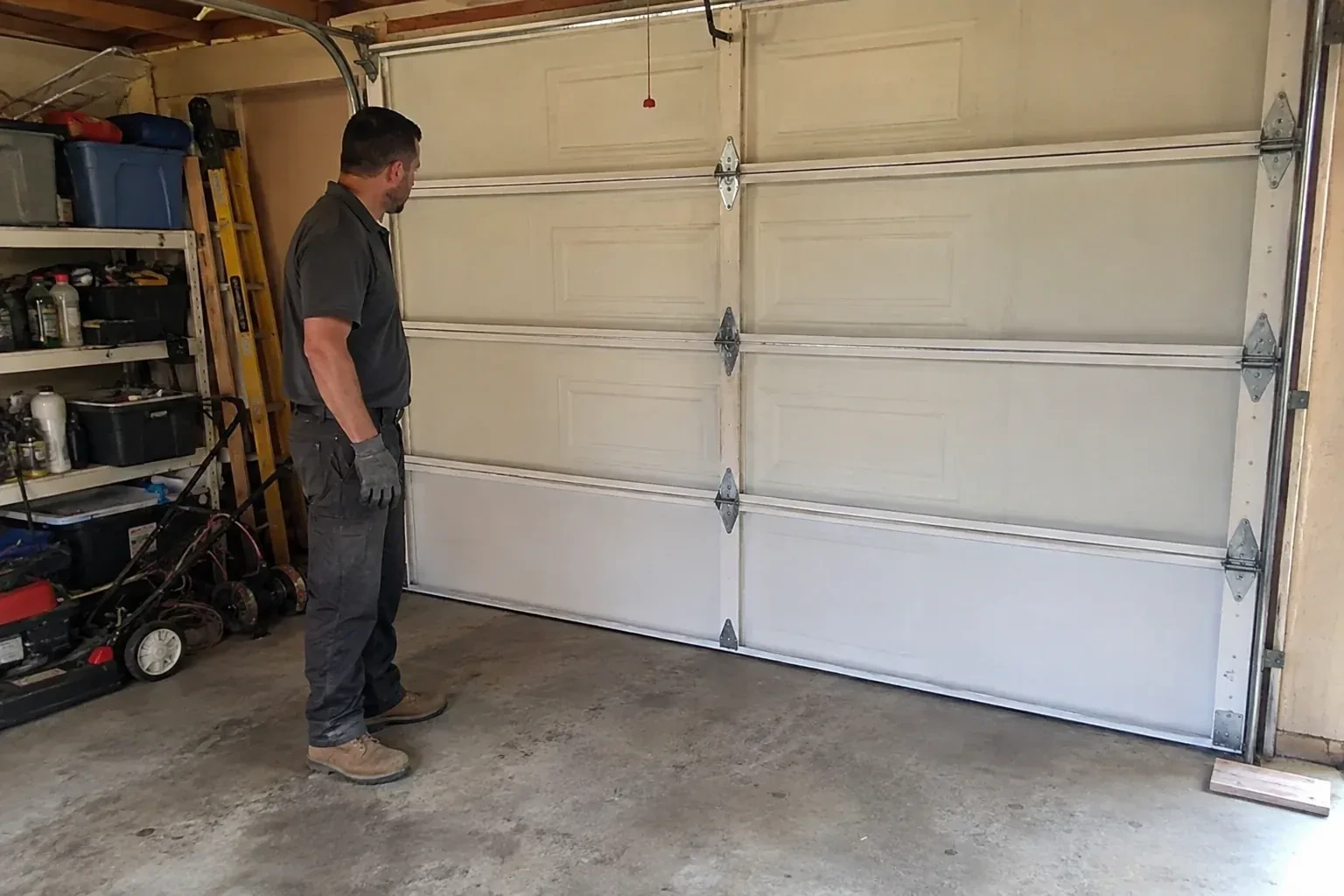
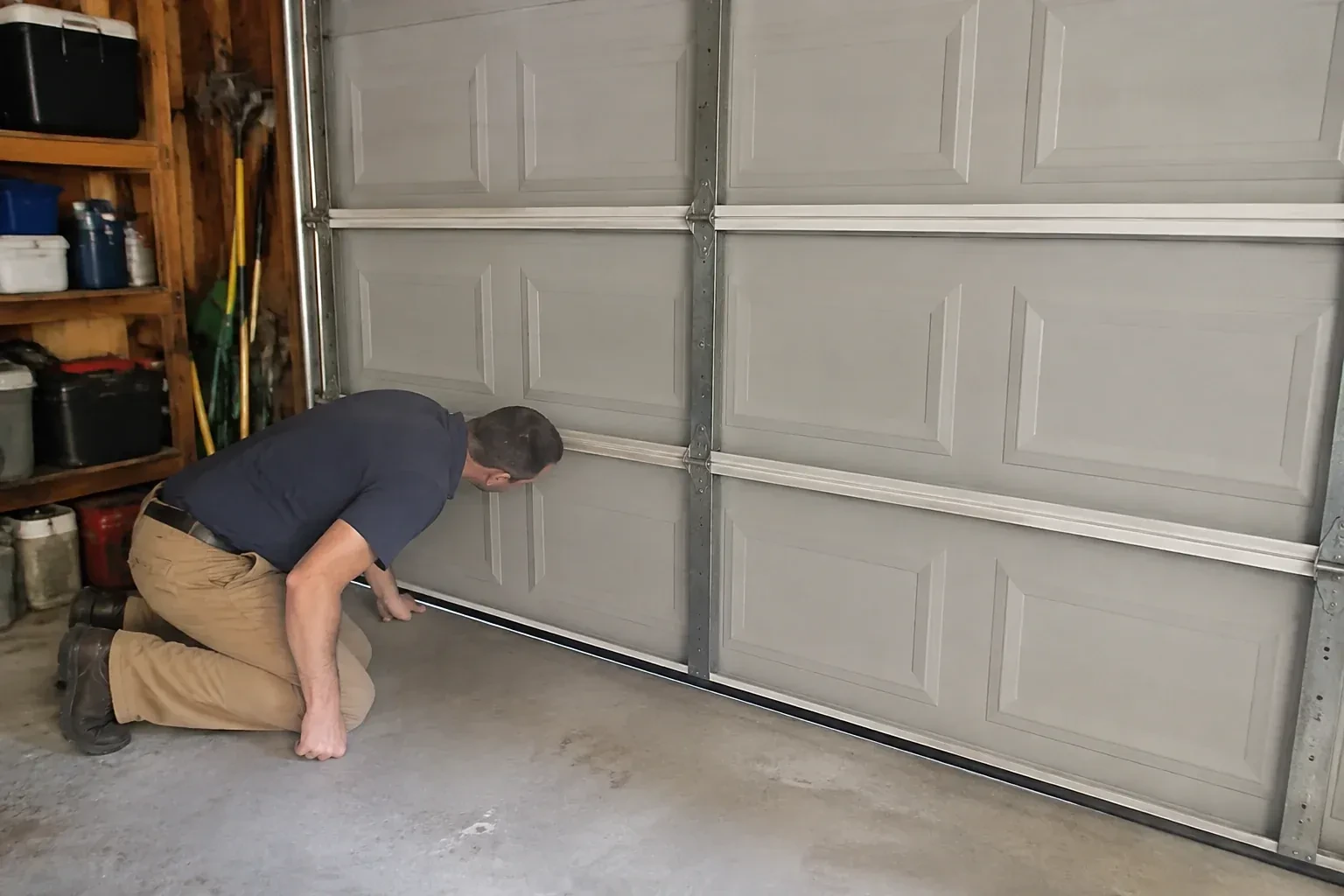
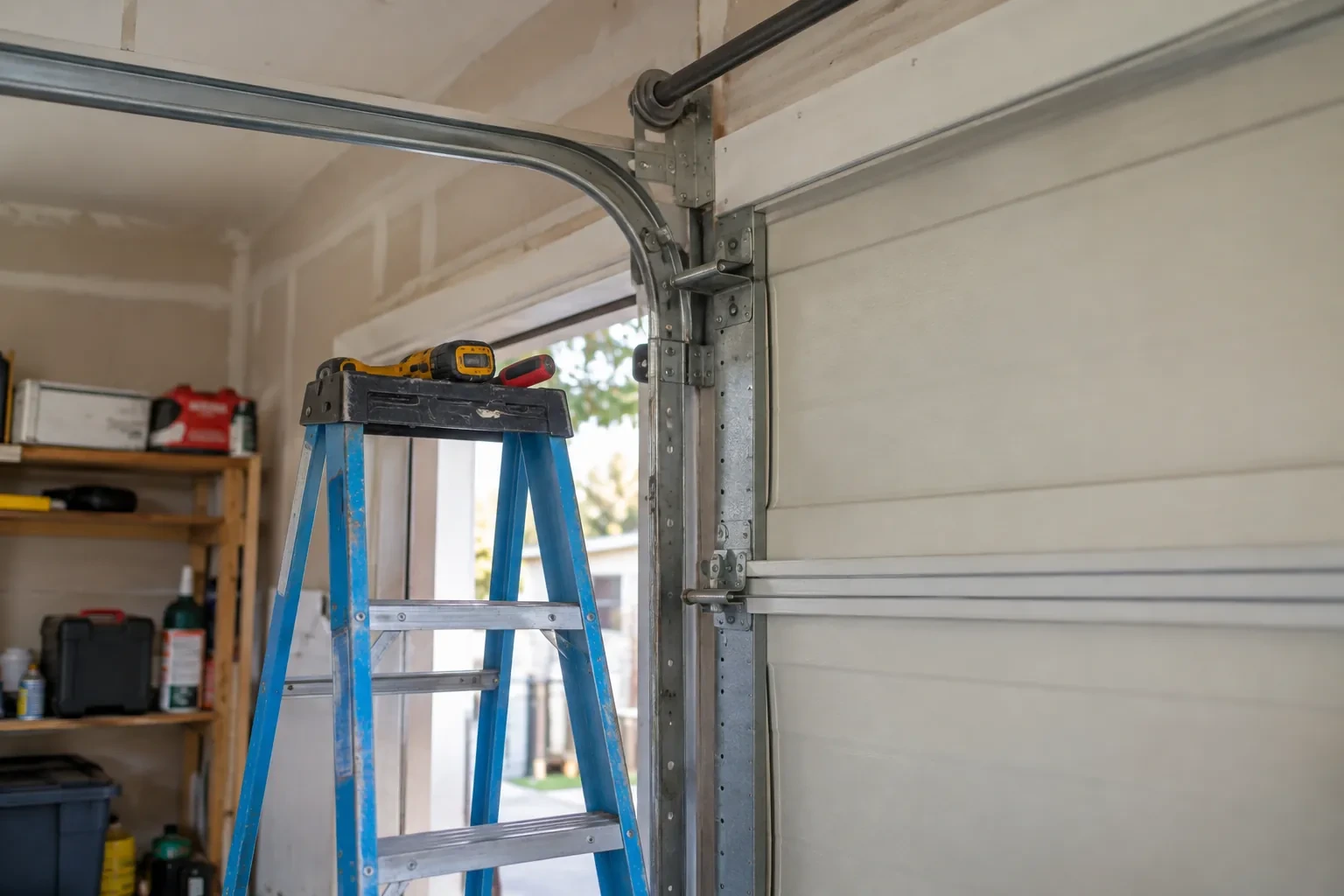
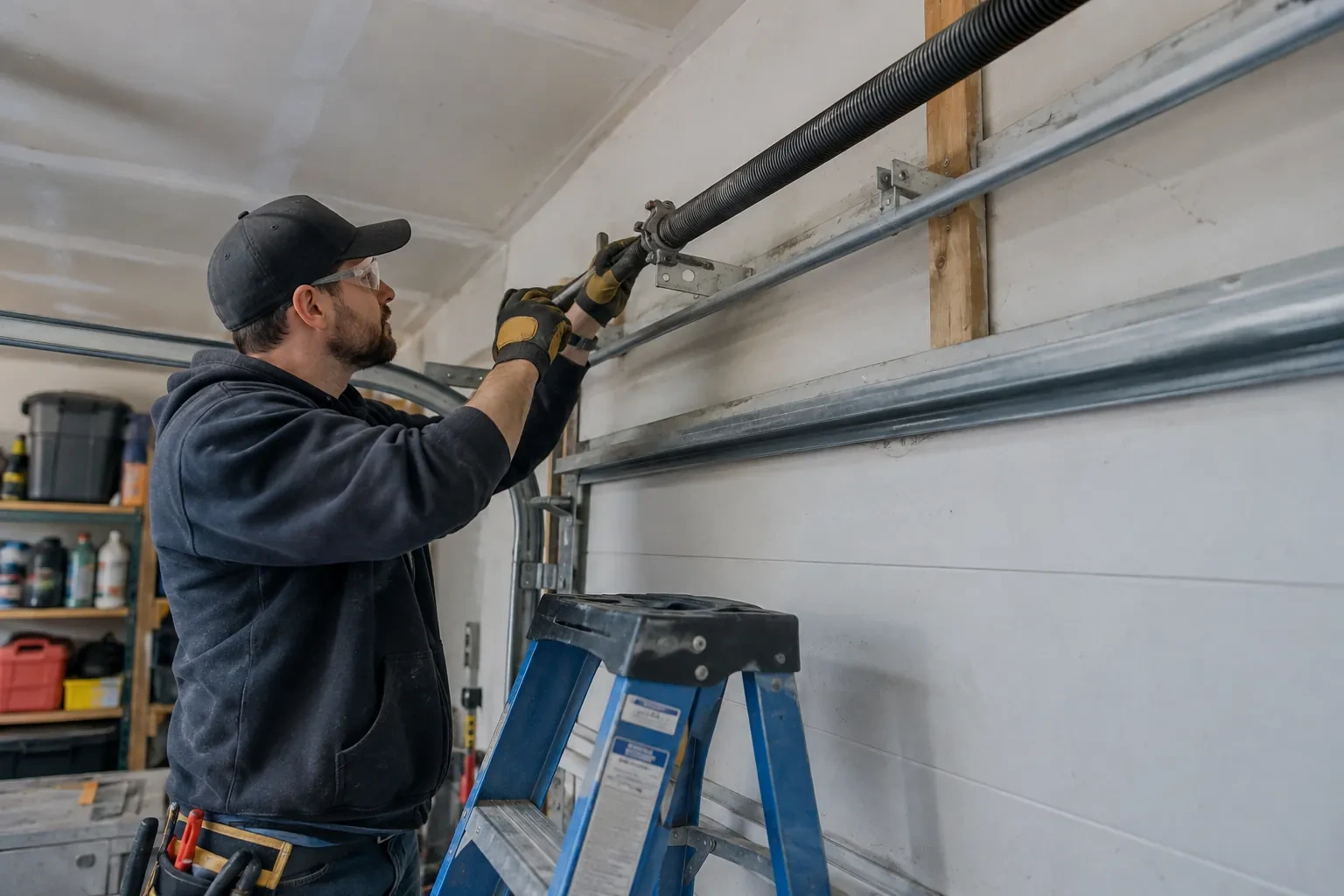
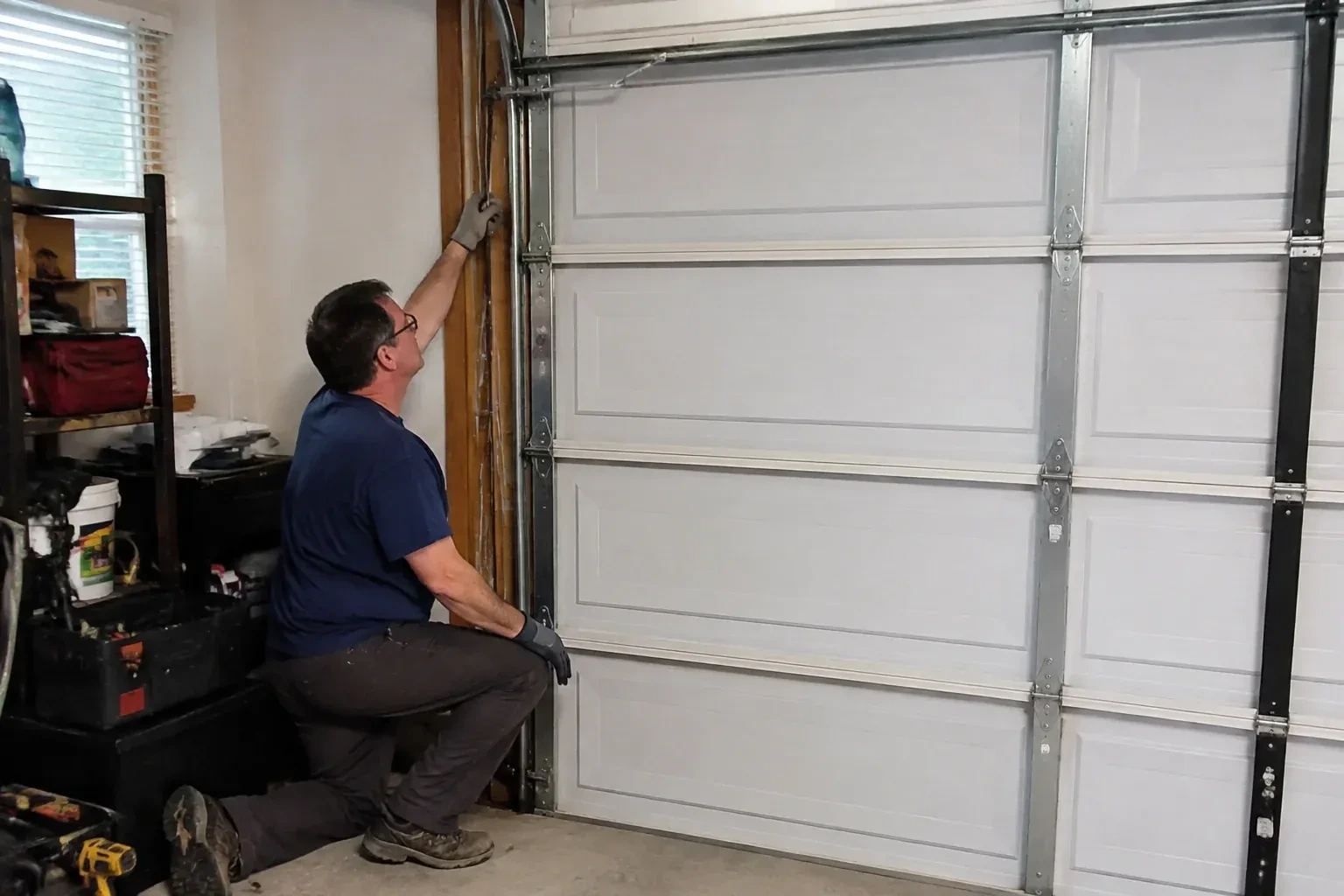
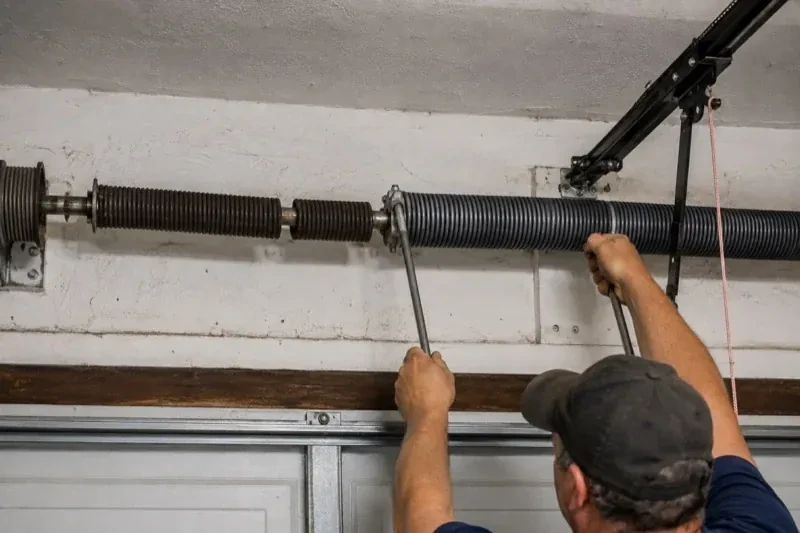
A residential garage door can weigh as much as two grown adults, and the springs above it are wound to carry exactly that load. Our technicians in Westmount work with winding bars, clamps and stands, secure the door before touching tension, and run it through full cycles before they call the job finished.
A residential garage door can weigh as much as two grown adults, and the springs above it are wound to carry exactly that load. Our technicians in Westmount work with winding bars, clamps and stands, secure the door before touching tension, and run it through full cycles before they call the job finished.
Bringing older doors up to date.
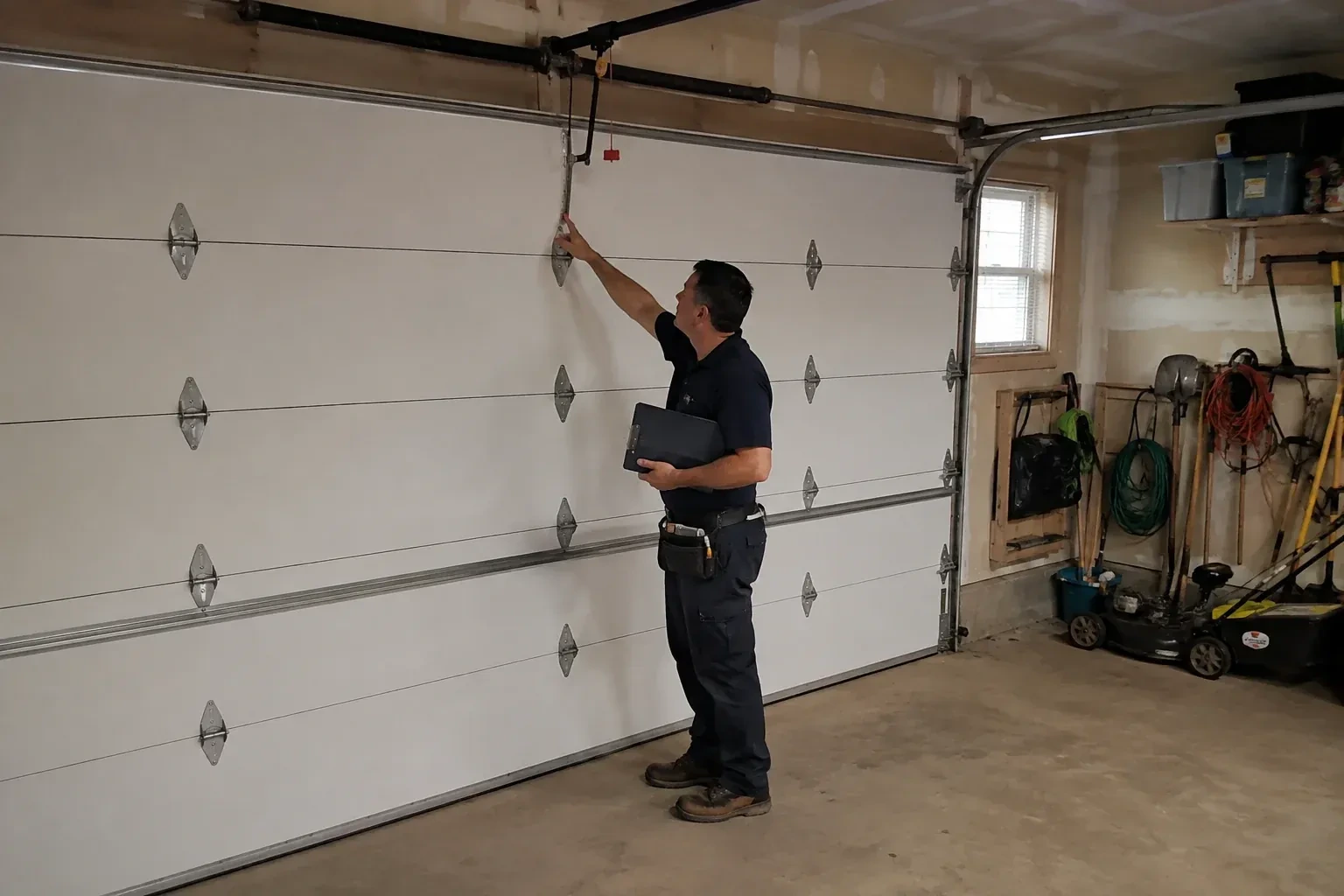
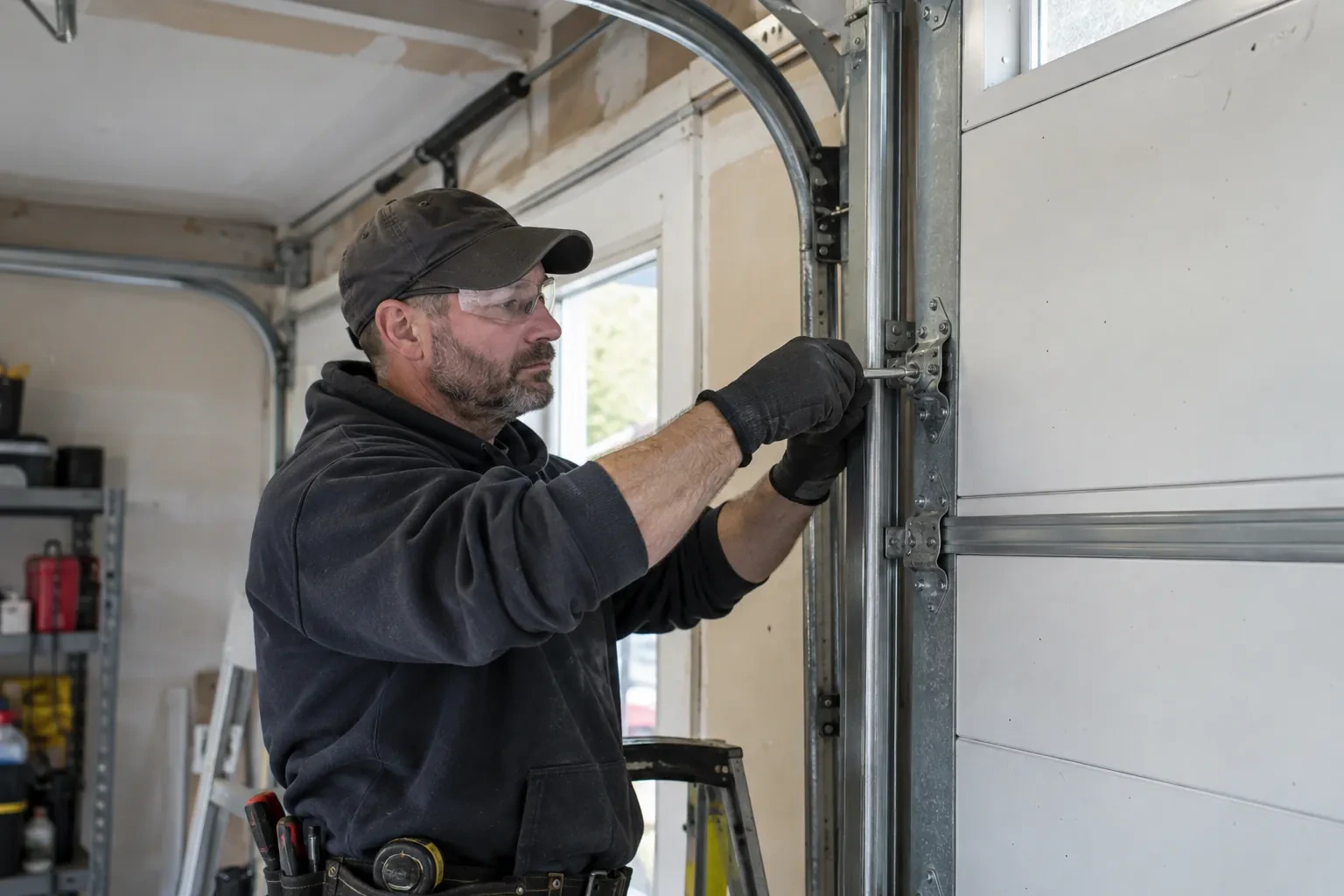
In Westmount we have found that most people simply want to understand what happened to their door. So the technician explains as he goes: why the spring broke, what a balanced door feels like, how the sensors work. You end up knowing your door better and knowing what to listen for next time.
Homeowners in Westmount often meet us on a bad morning, with the car inside and the door refusing to move. Our first job is to lower the temperature: explain what has happened, secure the door so it is safe to be around, and set out what can be done. From there the repair goes step by step, with you kept informed and the door running again by the end.
21years in business
24/7open every day
Real explanations. Every recommendation comes with the reason behind it, in words that make sense to someone who has never opened an opener.
Care in your space. We work around bikes, tools and vehicles carefully, protect what needs protecting, and leave the garage clean.
No pushing. You hear the choices once, clearly. Whether to go ahead, wait or take a different route is yours to decide.
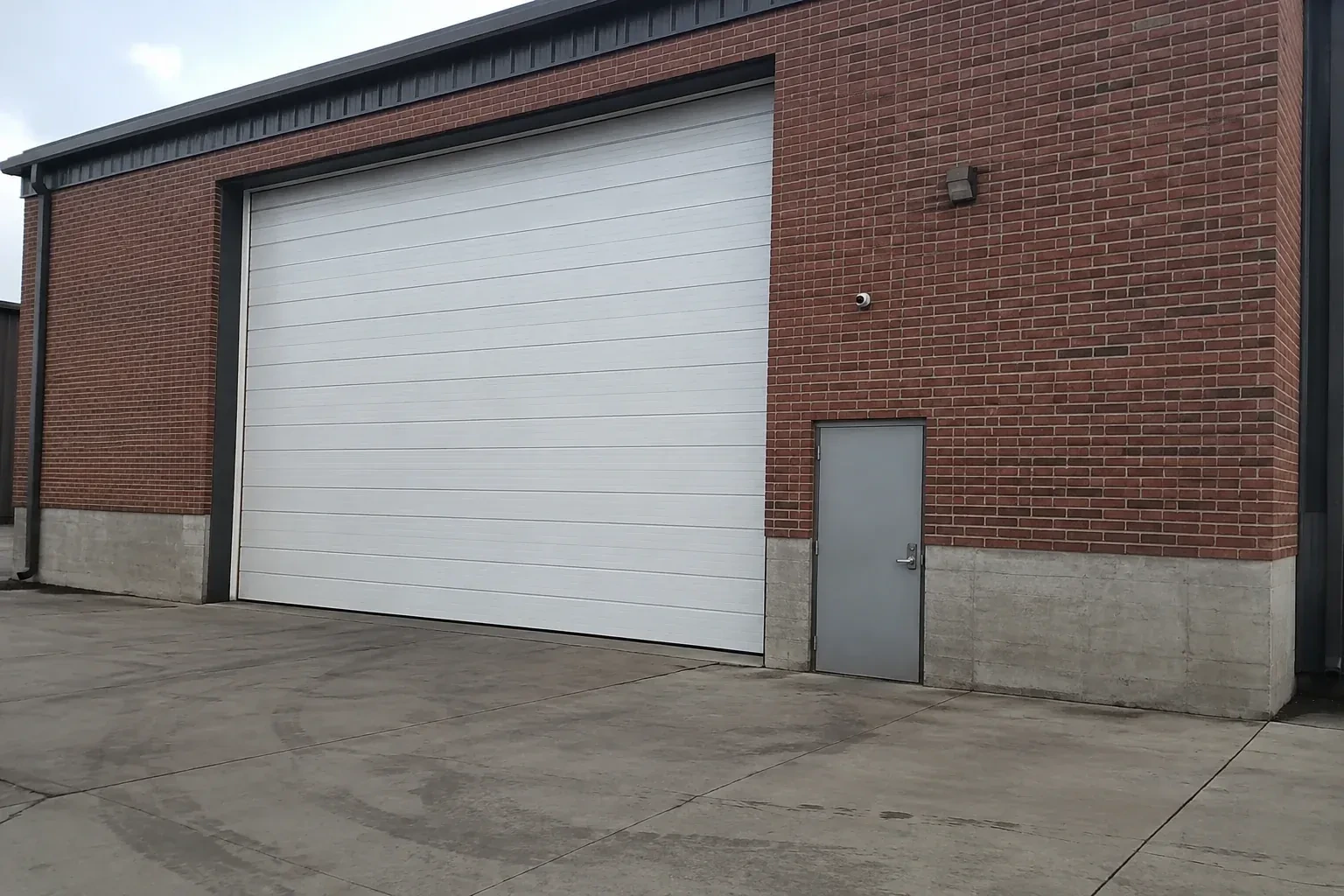
Arrange a garage door check for your Westmount business.
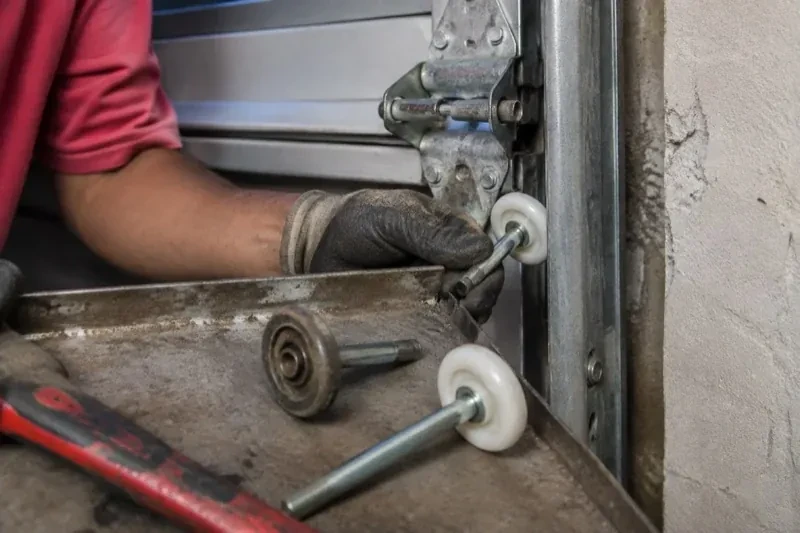
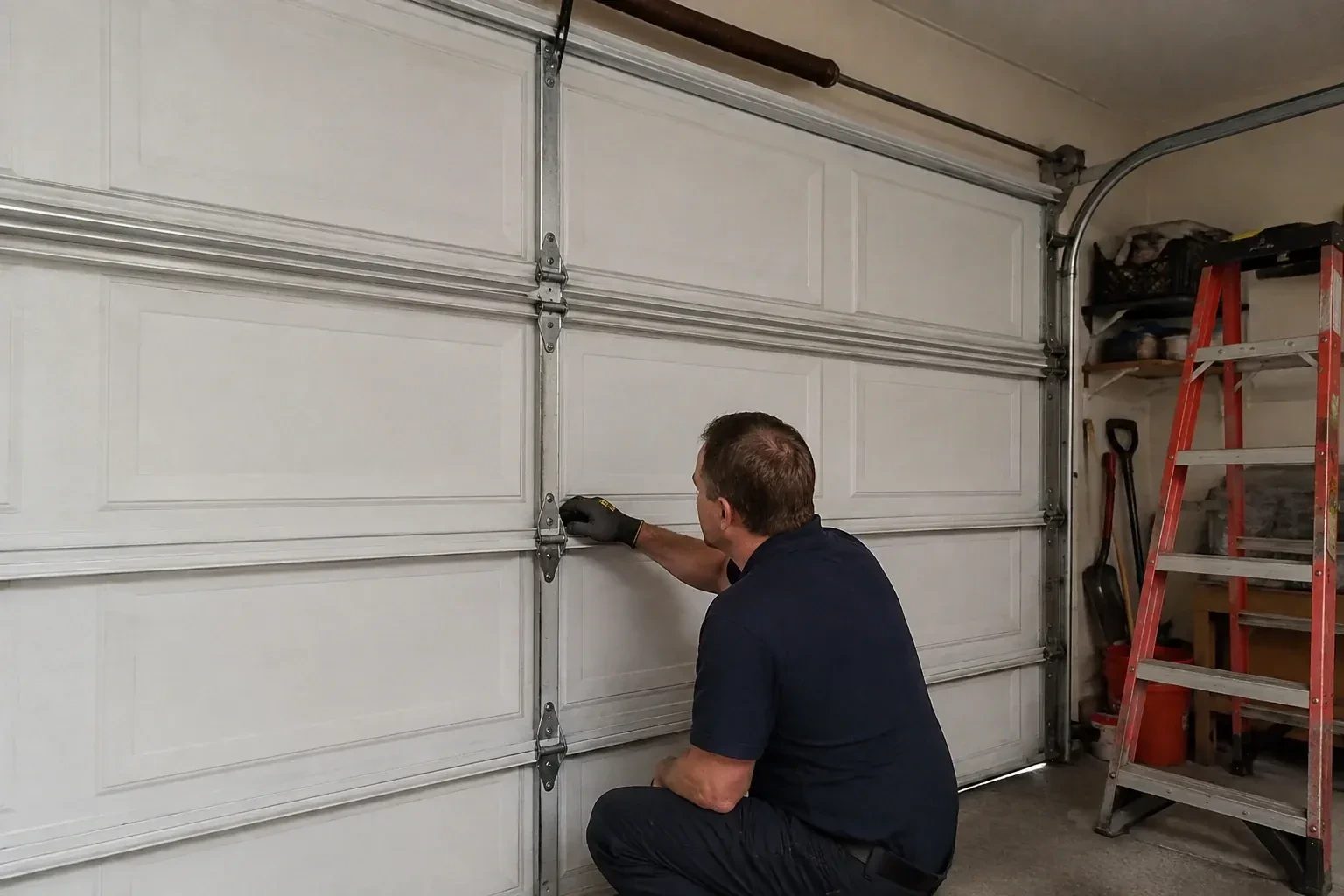
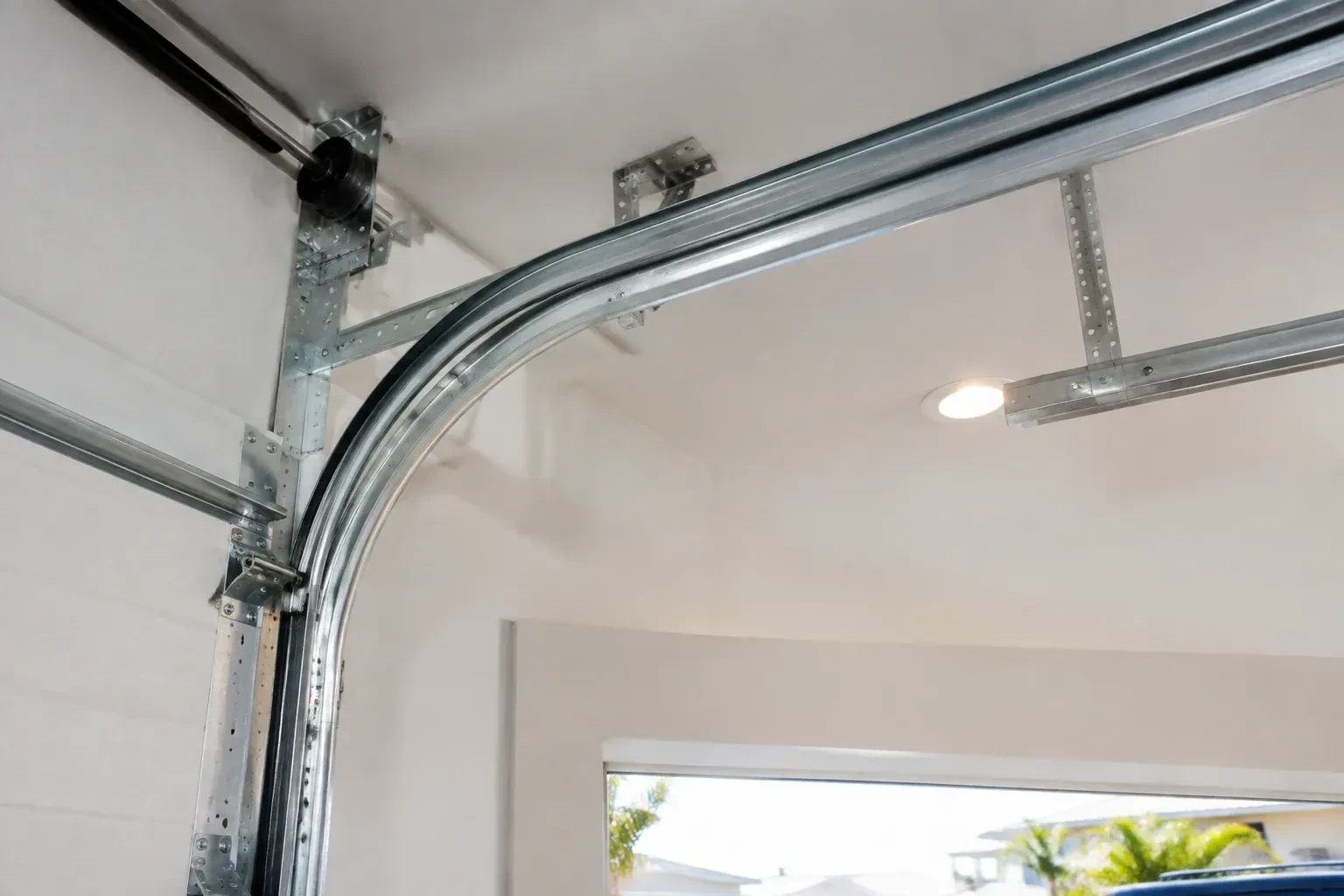
We think of garage door work in Westmount as keeping a heavy moving object safe and smooth. That covers spring and cable work, tracks and rollers, opener force and sensor settings, seals against the weather, and complete door replacement when a repair no longer makes sense.
About 52% of homes in London were built in 1980 or earlier, according to the 2021 Census.
Older homes
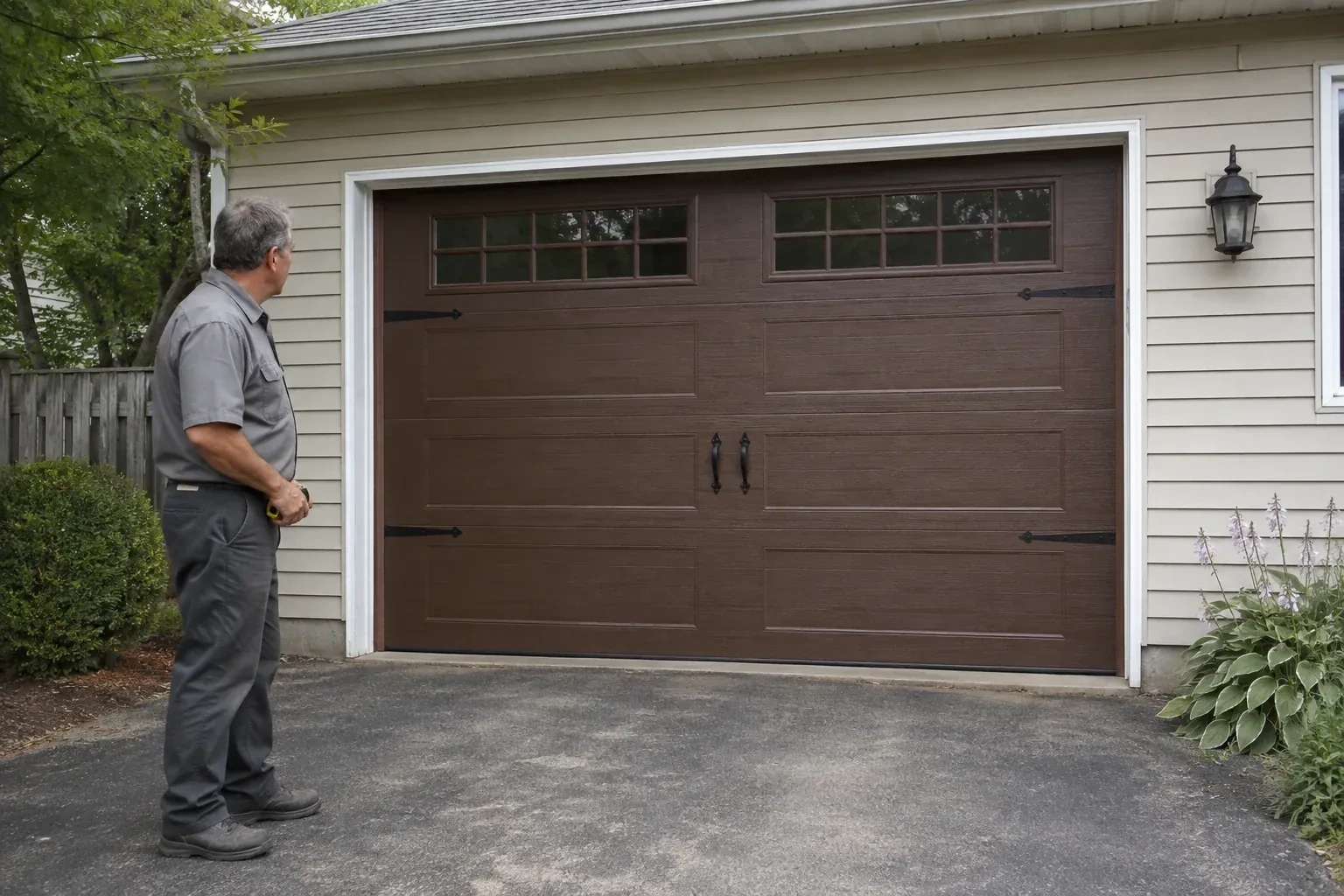
Older garages tend to have lower headroom and narrower single openings, so replacement doors and openers are chosen to fit the space rather than the other way round. Measuring the header, side room and ceiling depth is the first step on every one of these visits.
Single-detached houses make up about 49% of homes in London (2021 Census).
Where housing types are mixed, some doors belong entirely to the homeowner and others are subject to a condo corporation's rules on colour and style. Before recommending a replacement door we ask who has a say, so the door chosen is one that can actually be installed.
Cold snaps take a toll on springs already near the end of their life. A coil that was hanging on through the summer often lets go on the first hard frost. These services replace it and its partner properly.
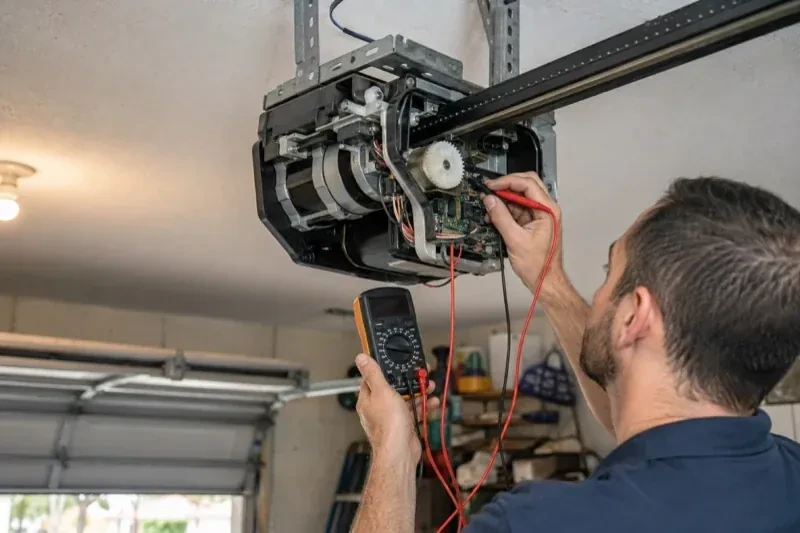
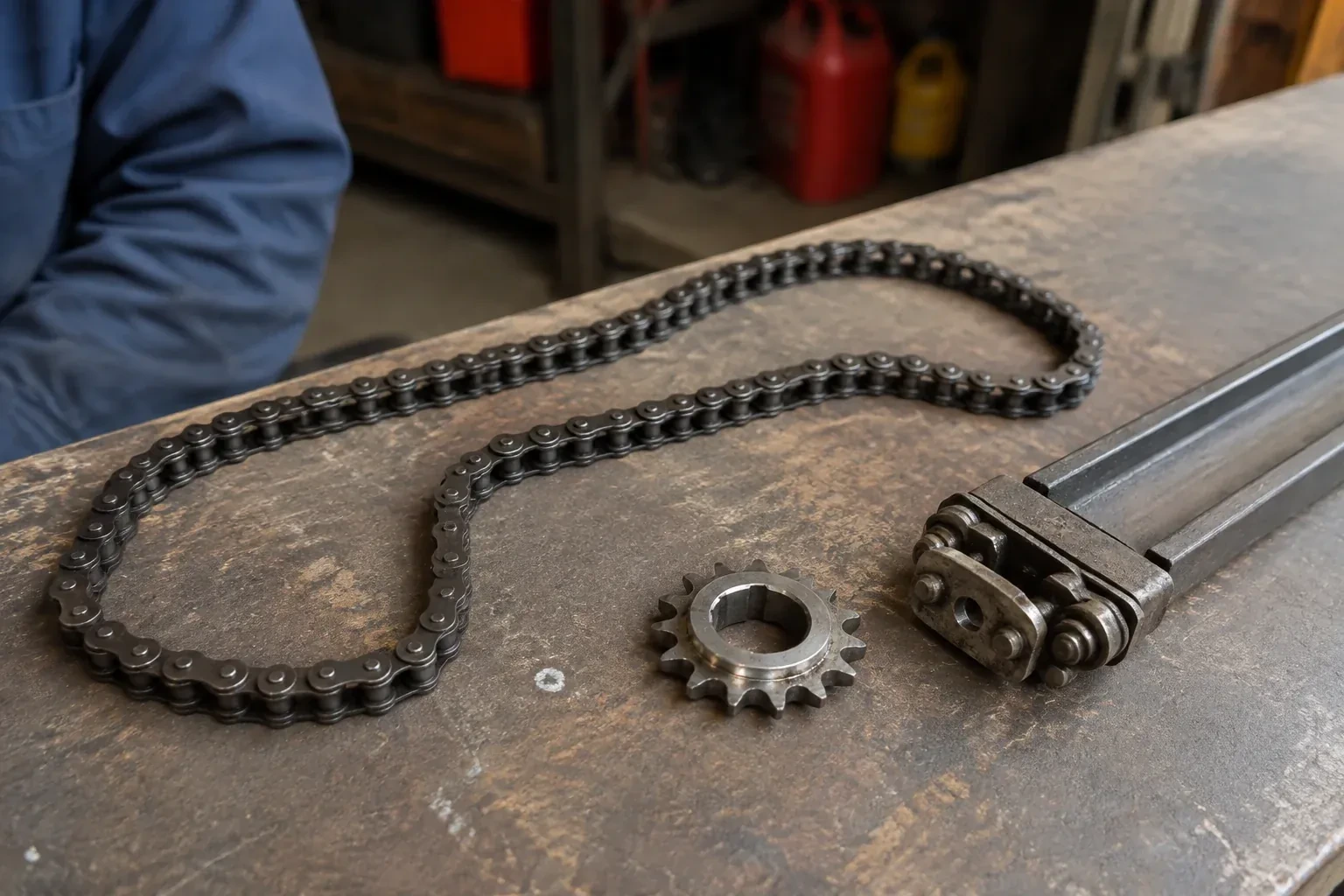
The motor runs, you can hear it working, but the door never moves. When you look up, the sprocket on top of the head is barely turning, and there is a little drift of pale plastic dust on the cover.
Press the remote and the motor runs its full cycle, lights on, the usual whir, but the door does not move a centimetre. Up at the trolley, the belt is hanging loose where a small plastic clip used to hold it.
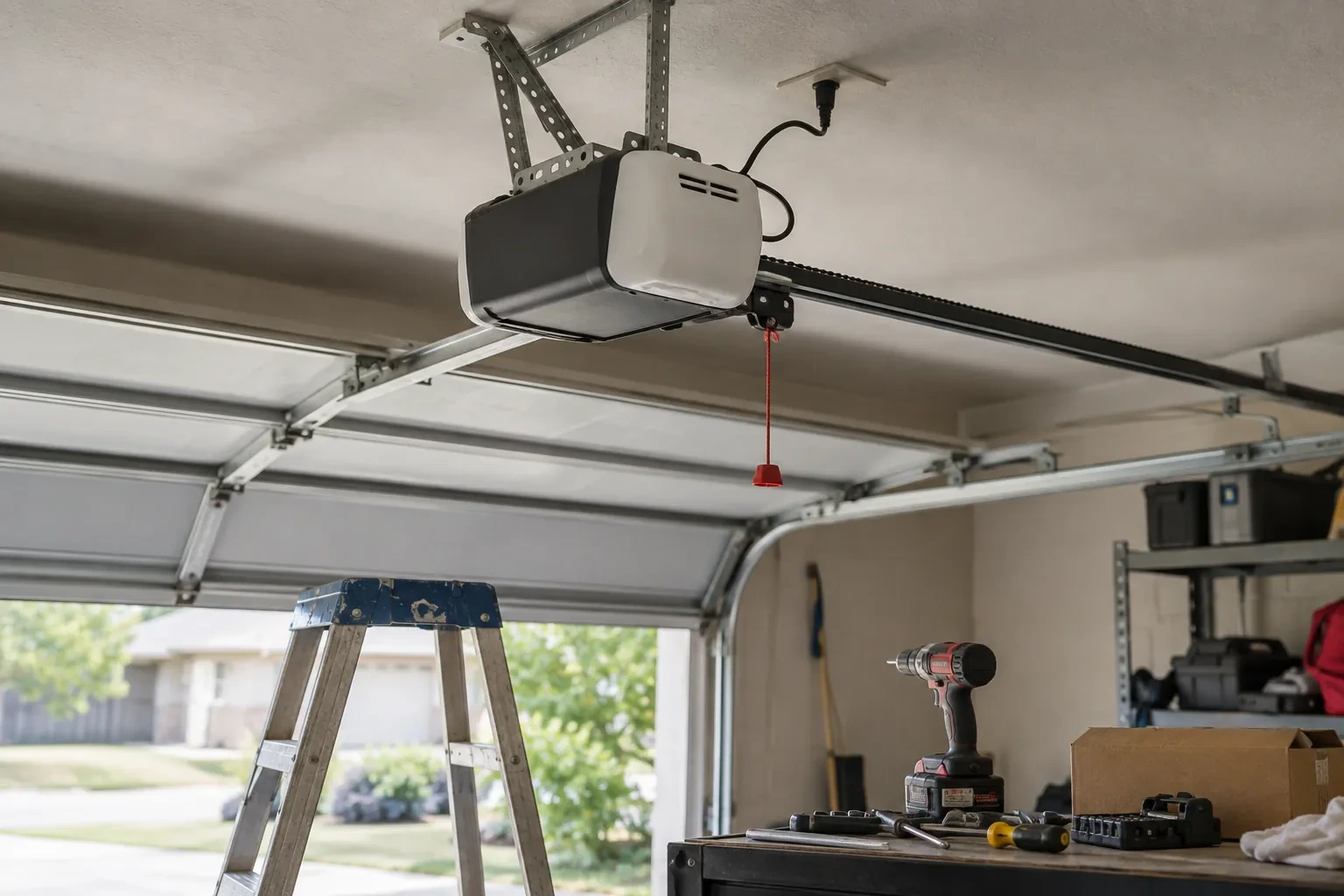
You want the ceiling back. A storage loft, a vehicle lift or kayak racks would fit if the long rail and motor box were not hanging in the middle of the garage, and the low ceiling of an older house leaves little room for the standard rail anyway.
On bright mornings the door will not close, then by lunchtime it behaves itself. The garage faces the low sun, and the light reaches straight across the floor to one of the little black sensors.
There is a wireless symbol printed on the opener above the car, and the manual mentions an app, but the head unit has never been connected to anything. You downloaded the app once, it asked for a serial number and a network, and the moment passed.
Your garage is detached and has no side door. The remote is dead, the keypad is dead, and the small round lock in the top panel is meant to be your way in.
Which fix fits?
You pulled the red cord to lift the door by hand during a power cut and it felt like lifting a car.
WhyA heavier decorative door may need a different spring specification, stronger section reinforcement or another opener arrangement than the former door.
A forklift clipped the bottom panel while backing through the bay.
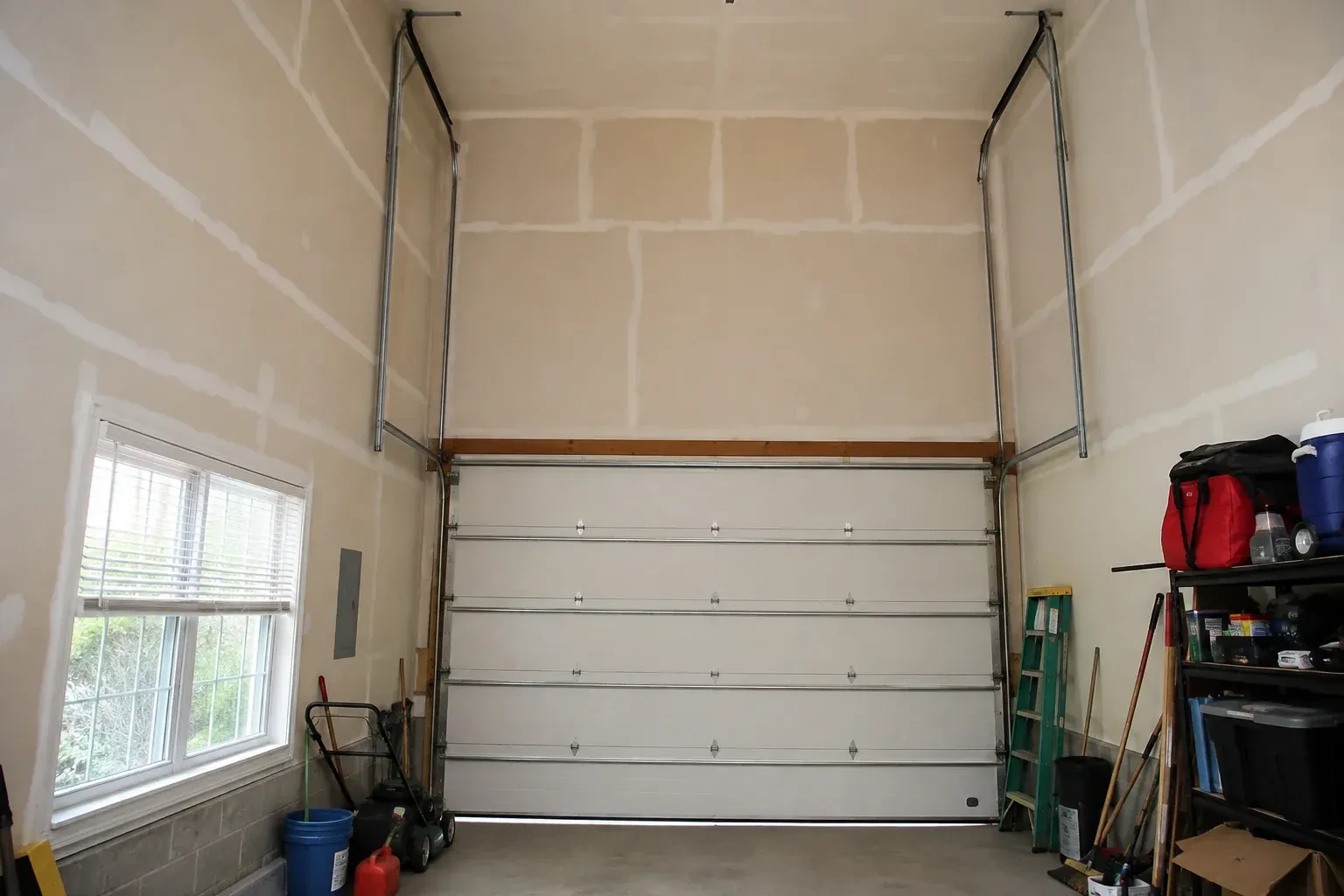
WhyFor a garage with generous headroom, standard track can leave valuable space unused.
An entrance. Not an afterthought.
1/10Garage Door Tune-Up
You pulled the red cord to lift the door by hand during a power cut and it felt like lifting a car. The opener has been doing all the work and grumbling about it, and you are not sure how long that can go on.
The morning after a thaw the opener groaned, the door stayed stuck to the icy floor for a second, then lurched up crooked. It stopped halfway with a grinding scrape and has not moved since.
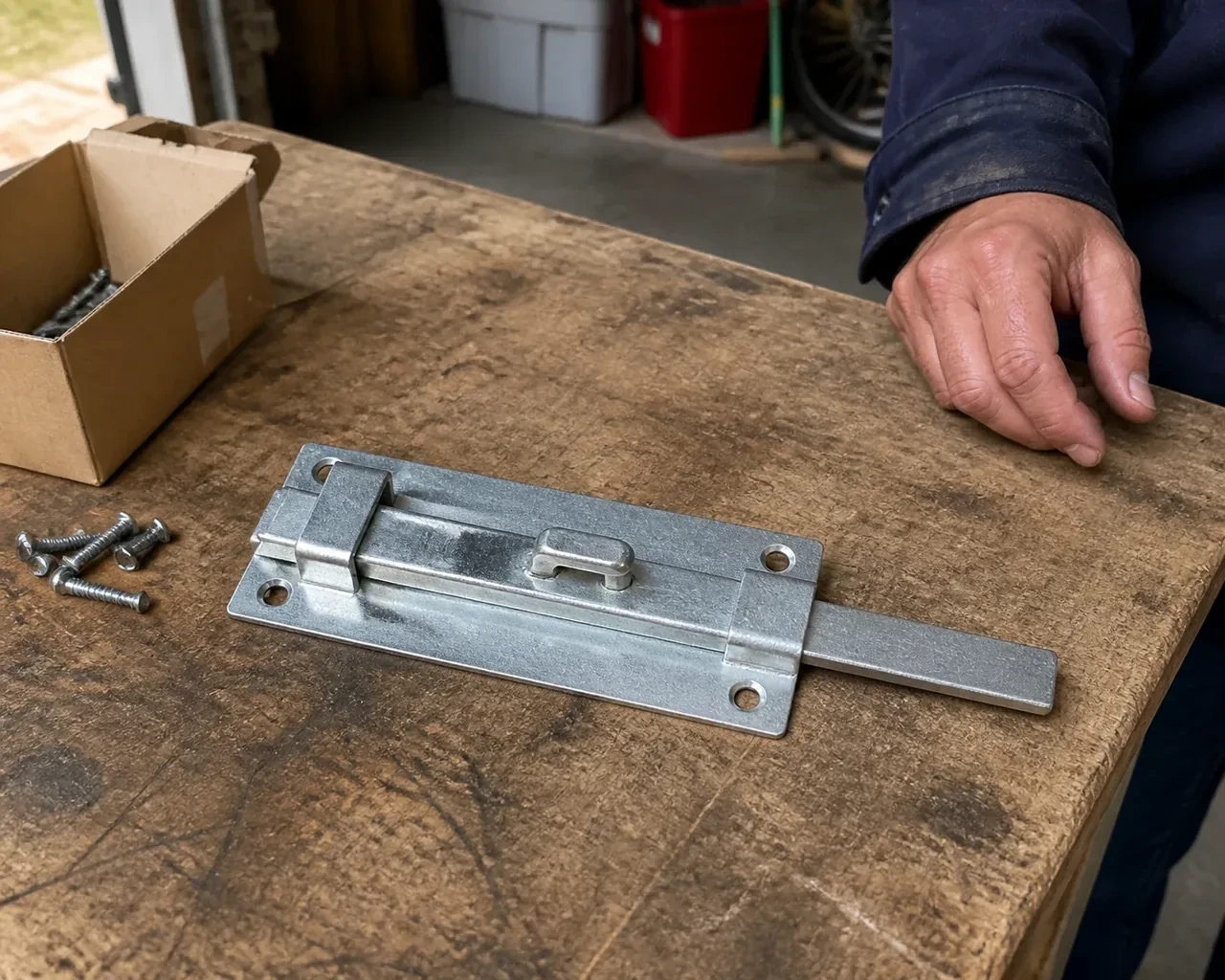
The T-shaped handle on the outside turns a full quarter, exactly as it has for twenty years, but nothing moves behind it. No clunk from the bars, no click at the tracks. The handle has stopped talking to the lock.
Someone replaced the springs a while back and the door has bounced at the top ever since. It slams open against the stops, then creeps down a few inches, and the opener trolley rattles because the door is pushing where it should be resting.
It is a January morning and the door lifts about a hand's width, groans, and settles back down. When you pull the release and try by hand the door feels far heavier than it used to, and the bottom seal is stuck hard to the slab.
You press the remote, the door drops a few centimetres, then climbs straight back to the top while the opener light blinks. Nothing is under the door. It has done this every evening this week.
It is February. You come down in the morning and the garage door has stood open all night; the car is frosted inside, the furnace has run without a pause, and the pipe in the shared wall is your first worry. Nobody knew, because nothing told anyone.
The garage feels dim whenever the overhead door is closed. You want a row of well-positioned windows that introduces daylight, protects privacy and fits naturally into a carriage-inspired panel layout.
A forklift clipped the bottom panel while backing through the bay. The section is creased near an end stile, the lower roller rubs the track, and daylight now shows along one corner when the door closes.
A garage project has reached the measurement stage, and overhead clearance is the deciding detail. The current springs, drums and tracks were built for standard lift, while the intended use calls for additional vertical travel.
For a single or double residential door with an opener, allow roughly an hour to two hours on site. The inspection and the two observed cycles take a fixed amount of time; the rest depends on how many fasteners have loosened, whether the sensors need realigning and whether you approve a small part replacement, such as a worn roller, during the same visit. Spring or cable work, if found necessary, is scheduled as its own job.
Are the springs involved in an off-track door?
Frequently, in one of two ways. Springs that are worn, broken or mismatched to the door's weight make the opener carry a load it was never meant to, dragging the sections out of line. And whenever cables must be re-seated or replaced, the spring tension has to be released and rewound to do it. The technician assesses the springs at the start and tells you whether they are part of the fix.
The handle turns but the bars stay put. What has broken?
Something in the short chain between the handle and the bars. The square spindle may have twisted or sheared, the set screw holding the inside knob may have let it spin free, the cam inside the centre body may have worn round, or the return spring may have snapped. The inside cover comes off to see which, and the failed part or the whole mechanism is replaced to suit.
I added insulation panels to my door. Does that affect balance?
Yes, and it is one of the most common reasons a door starts to sink. Springs are matched to the door's weight, and insulation kits, replacement sections, windows or a heavier seal add weight the original springs were not sized for. A technician can weigh the door and either add tension to suit it or, if the added weight is beyond what the springs can carry, specify new ones.
Is a smart, app-connected opener diagnosed any differently?
The mechanical and electrical checks are identical, since the app is just another control. What is added is the connection: whether the head unit is on the home network, whether the app reports a fault code you can read off your phone, and whether a door-position sensor or hub has lost its pairing. Because the wall control and remotes work independently of the network, a door that fails on every control is a hardware question, not a connection one.
What do the small lights on the sensors mean?
Arrangement varies by model: most pairs carry an indicator on each side, in differing colours for sender and receiver, though some older pairs light only the receiver, so check the maker's chart. A receiving light that is dark or flickering means the beam is not landing on it, so the pair needs aligning or something is in the way. Both lights dark means the pair has no power, which points to the wire or the terminals at the head unit. Steady lights on both sides mean a healthy system.
The previous owner's controller is still on the ceiling. Can I use it?
Usually, once it is released from their account. If the seller can be reached, they remove the device from their app; if not, the technician performs a factory reset using the maker's documented steps, which clears the old registration. The hub and sensor are then paired fresh, joined to your network and claimed under your own login, and the battery and sensor placement are checked rather than assumed.
What routine care does the decorative finish need?
Care follows the selected surface. Factory-finished steel and many composite overlays generally benefit from mild washing with non-abrasive tools, while wood components may require coating attention at intervals described in their instructions. Keep a record of the finish name and approved care products. During cleaning, look over overlay edges, fasteners, glazing retainers and weather seals for visible changes.
Why does the door reverse near the floor?
A reversal can start with a blocked or misaligned photoelectric sensor, a distorted sensing edge, resistance in the track, an incorrect close limit or a control-circuit issue. Inspection covers the clear opening, sensor alignment and wiring, bottom edge and mechanical travel. The source is corrected first, then the protective response is tested through several complete cycles.
What information helps assess feasibility from photos?
Useful photos show the full inside opening, both track sides, the wall above the header, the complete ceiling run, spring and shaft area, opener, beams, lights and other obstructions. Include a wider image showing the planned vehicle lift or equipment zone. Measurements remain necessary, but clear images help identify questions and prepare an efficient site assessment.
Request a visit
In Westmount we have found that most people simply want to understand what happened to their door. So the technician explains as he goes: why the spring broke, what a balanced door feels like, how the sensors work. You end up knowing your door better and knowing what to listen for next time.