Garage Doors in Kensal Park, OntarioQuiet doorsfor early risers.
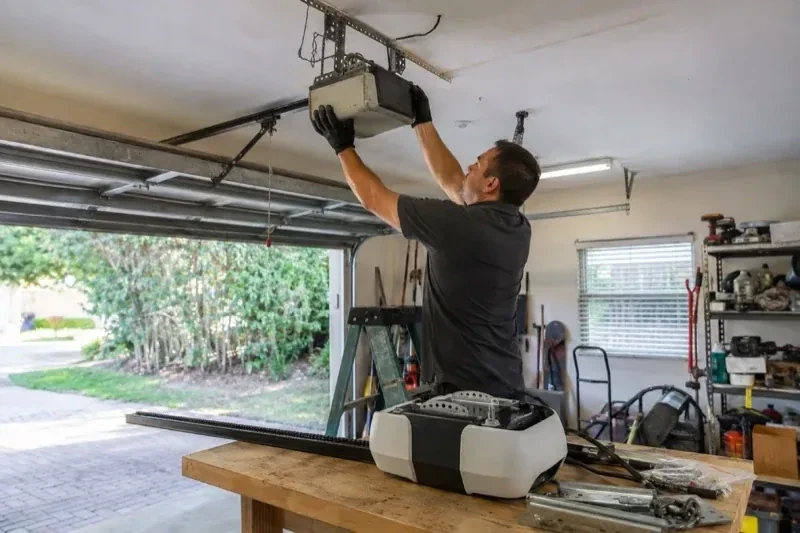
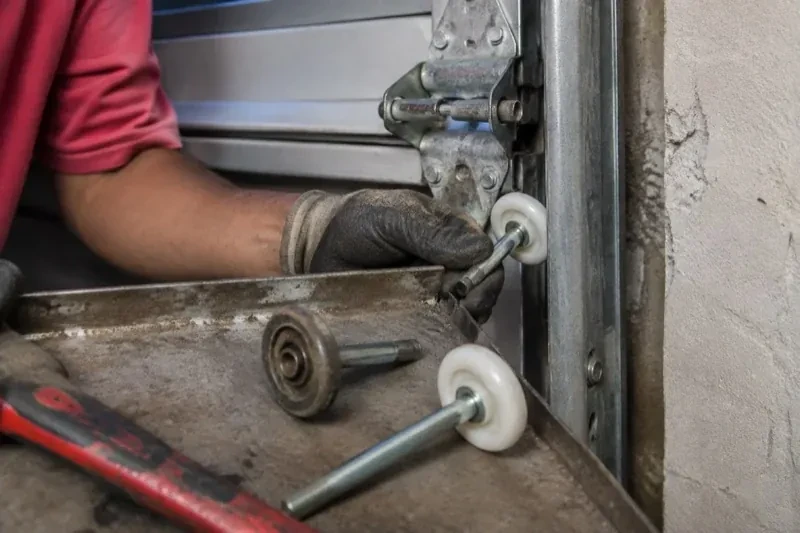
When the bedroom sits above the garage, every rattle at six in the morning is personal. For households in Kensal Park we track each sound to its source: dry rollers, a loose hinge, a chain that has stretched, an opener rail rubbing the ceiling. Fix those and the door becomes something you stop noticing.
When the bedroom sits above the garage, every rattle at six in the morning is personal. For households in Kensal Park we track each sound to its source: dry rollers, a loose hinge, a chain that has stretched, an opener rail rubbing the ceiling. Fix those and the door becomes something you stop noticing.
Bringing older doors up to date.
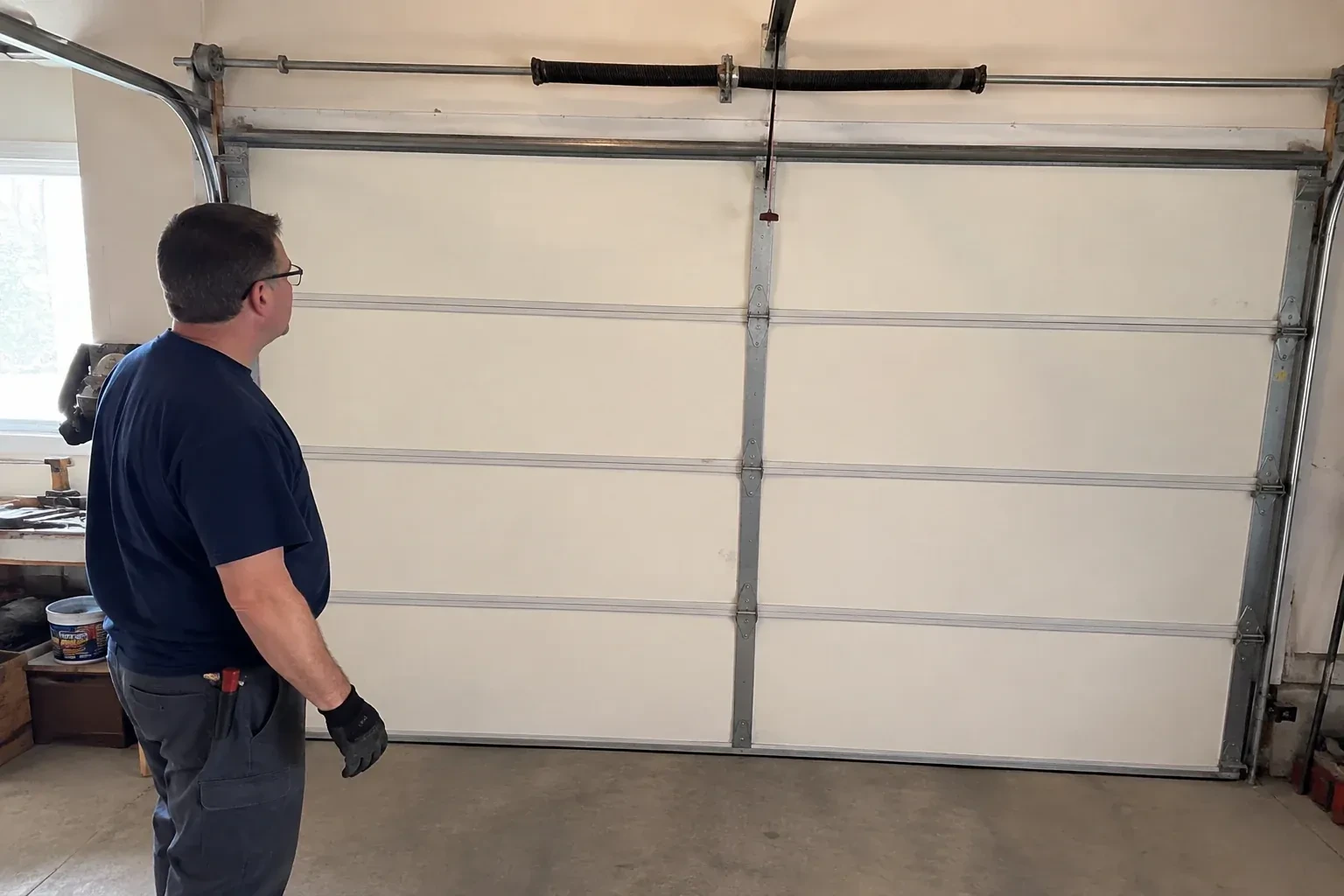
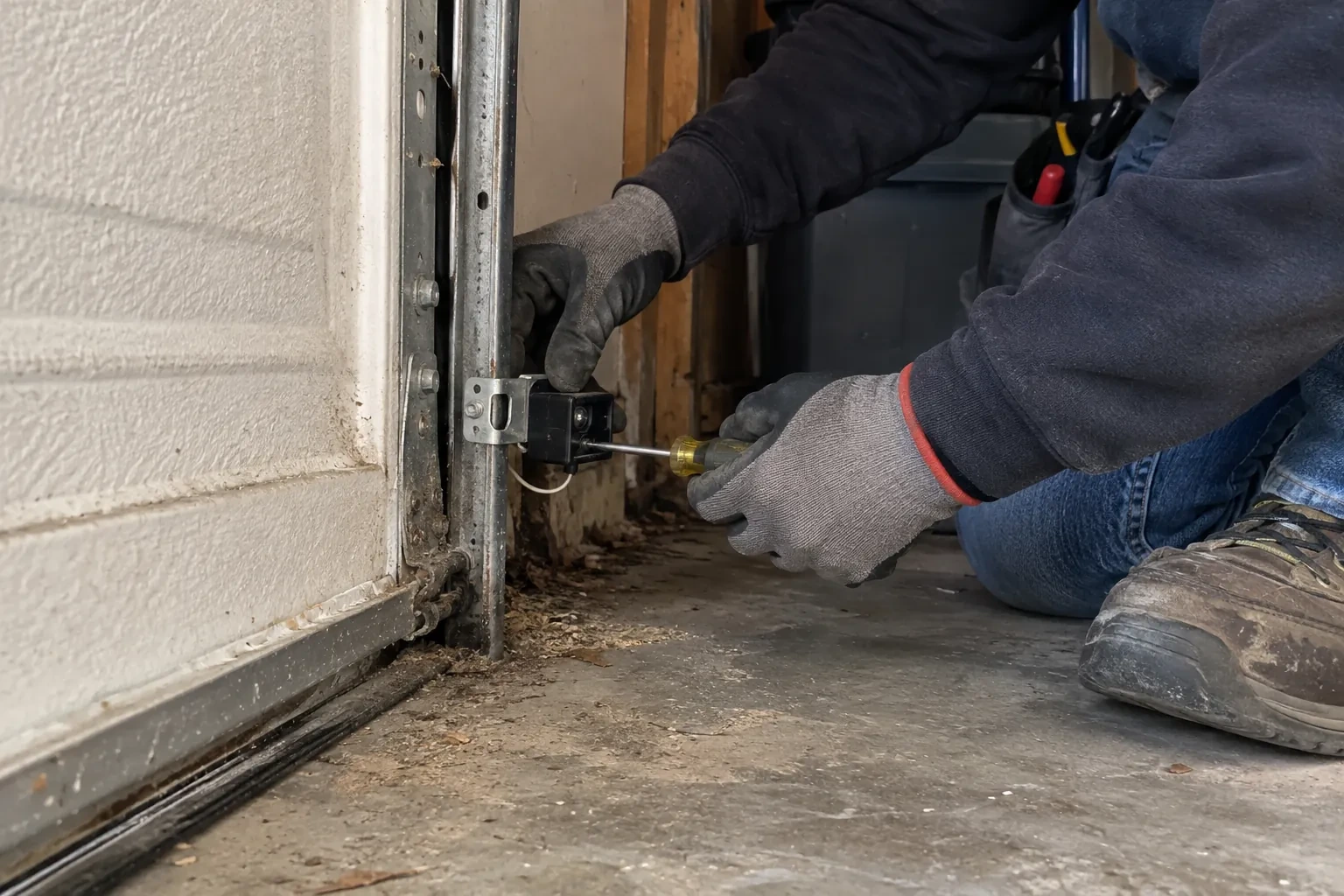
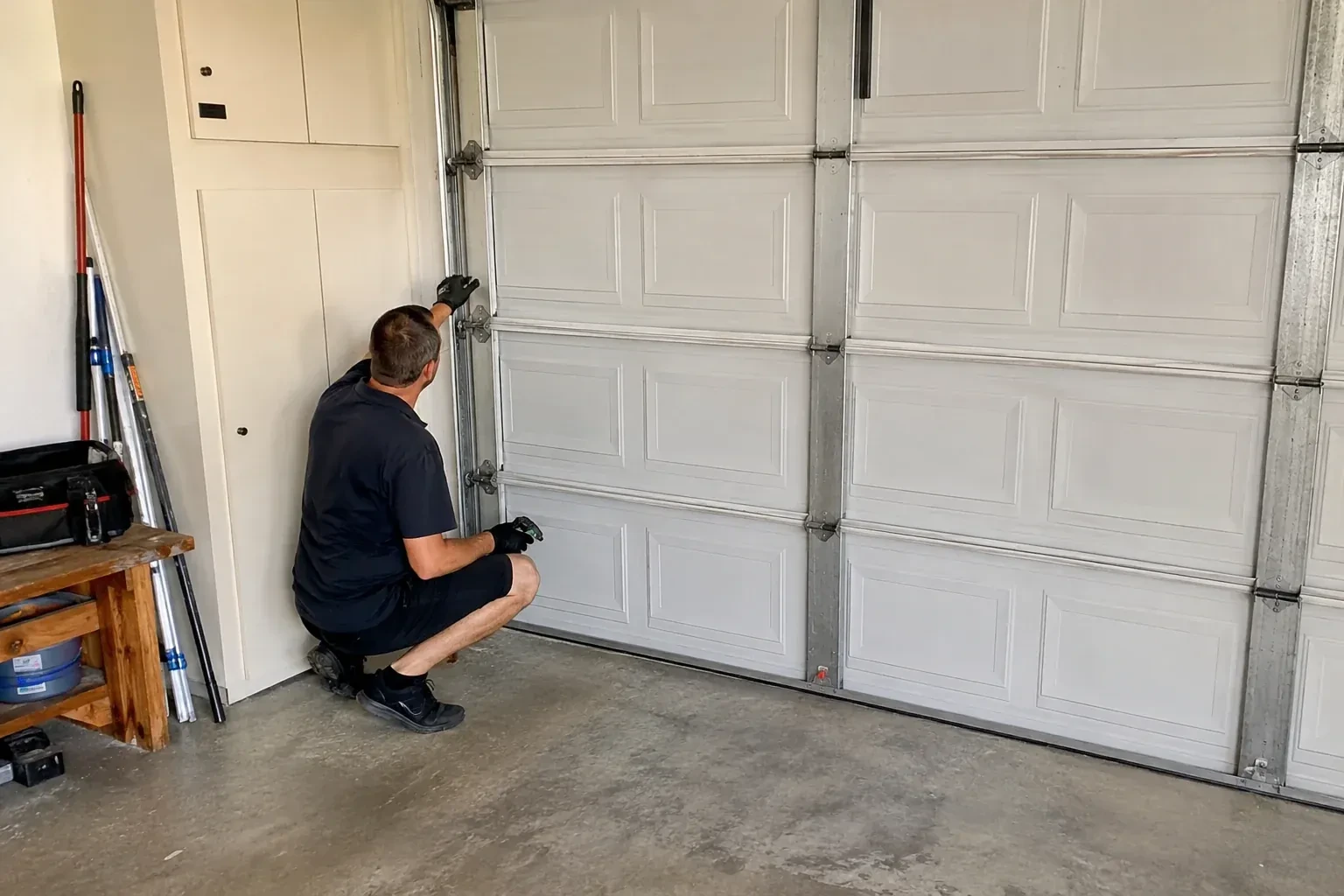
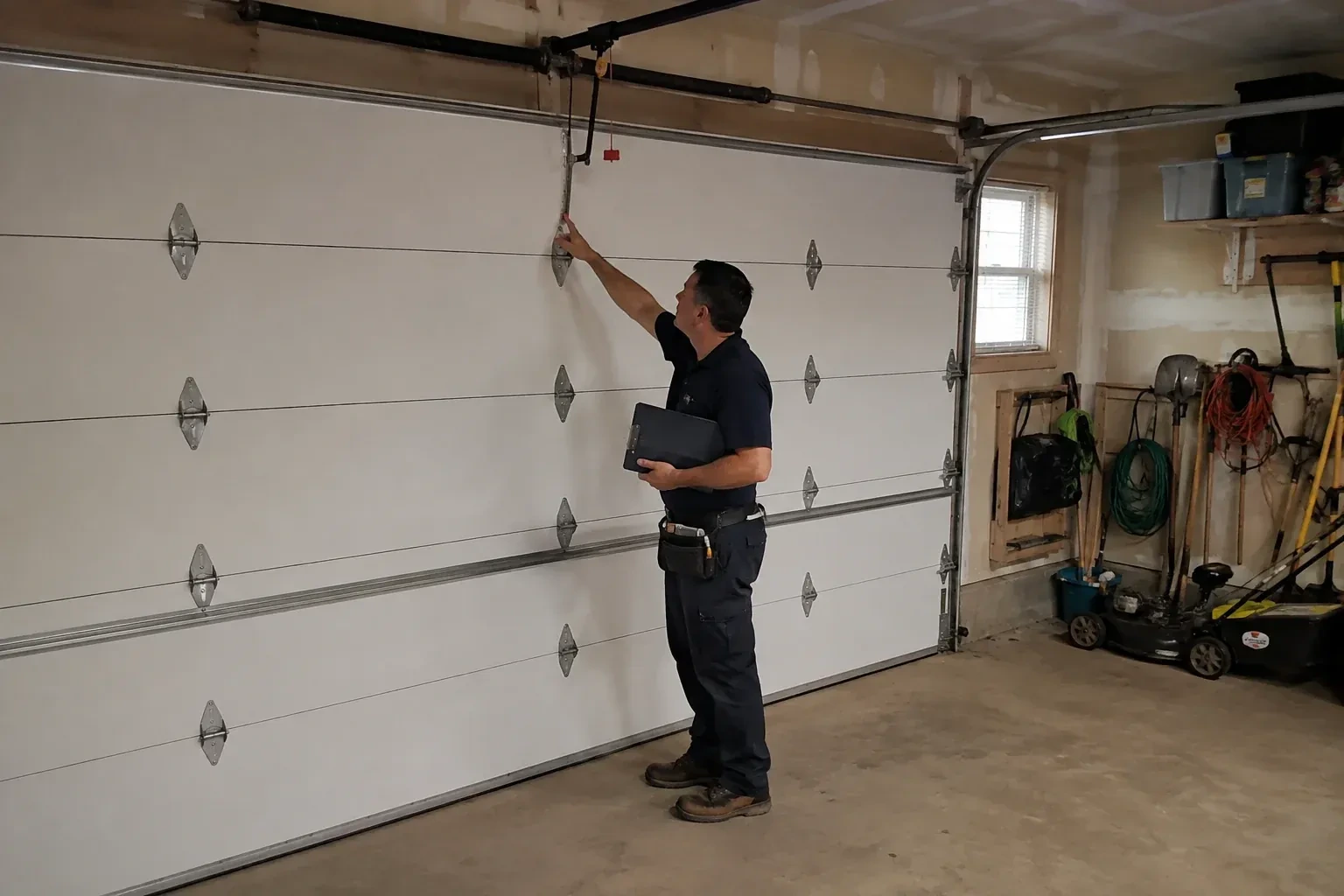
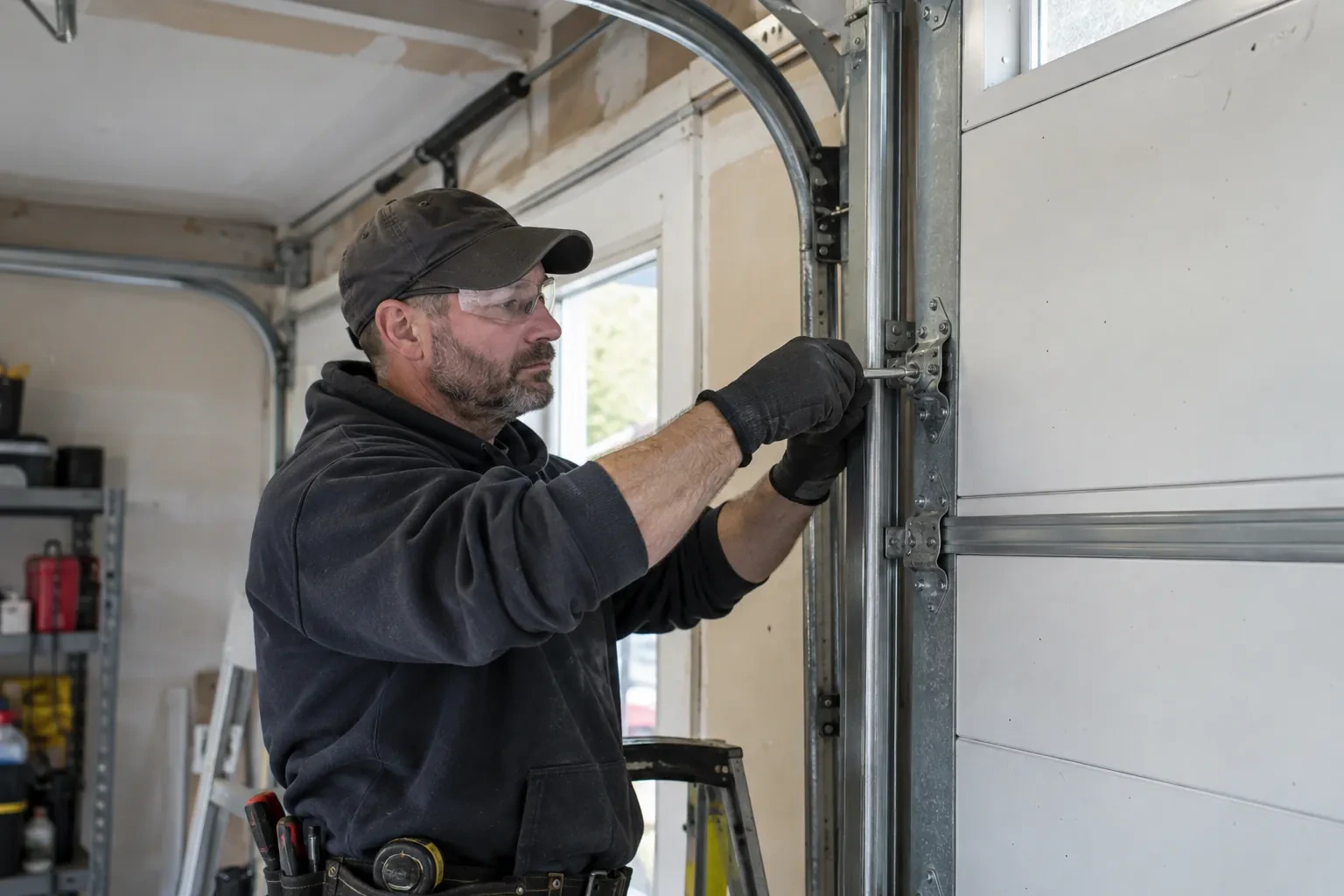
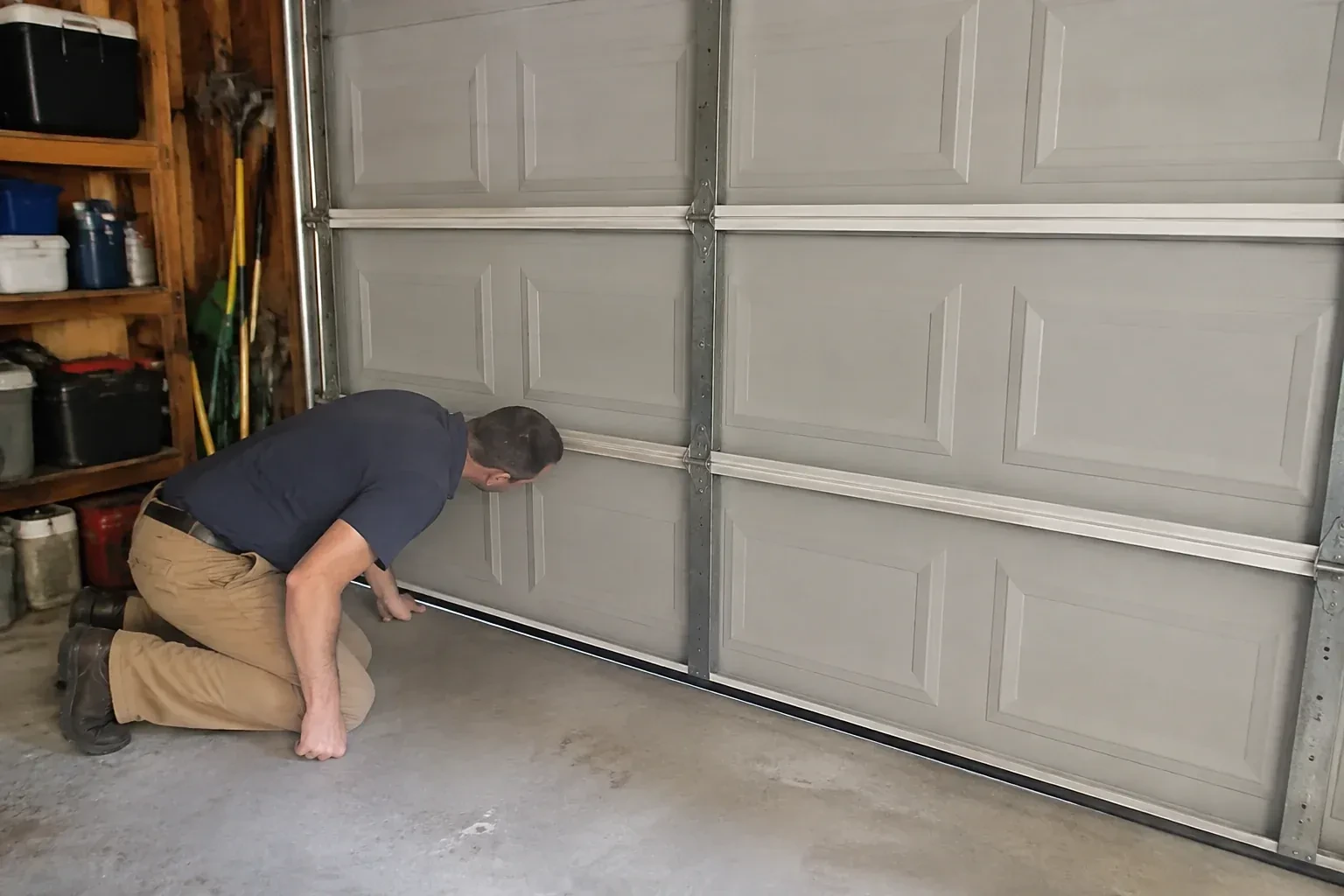
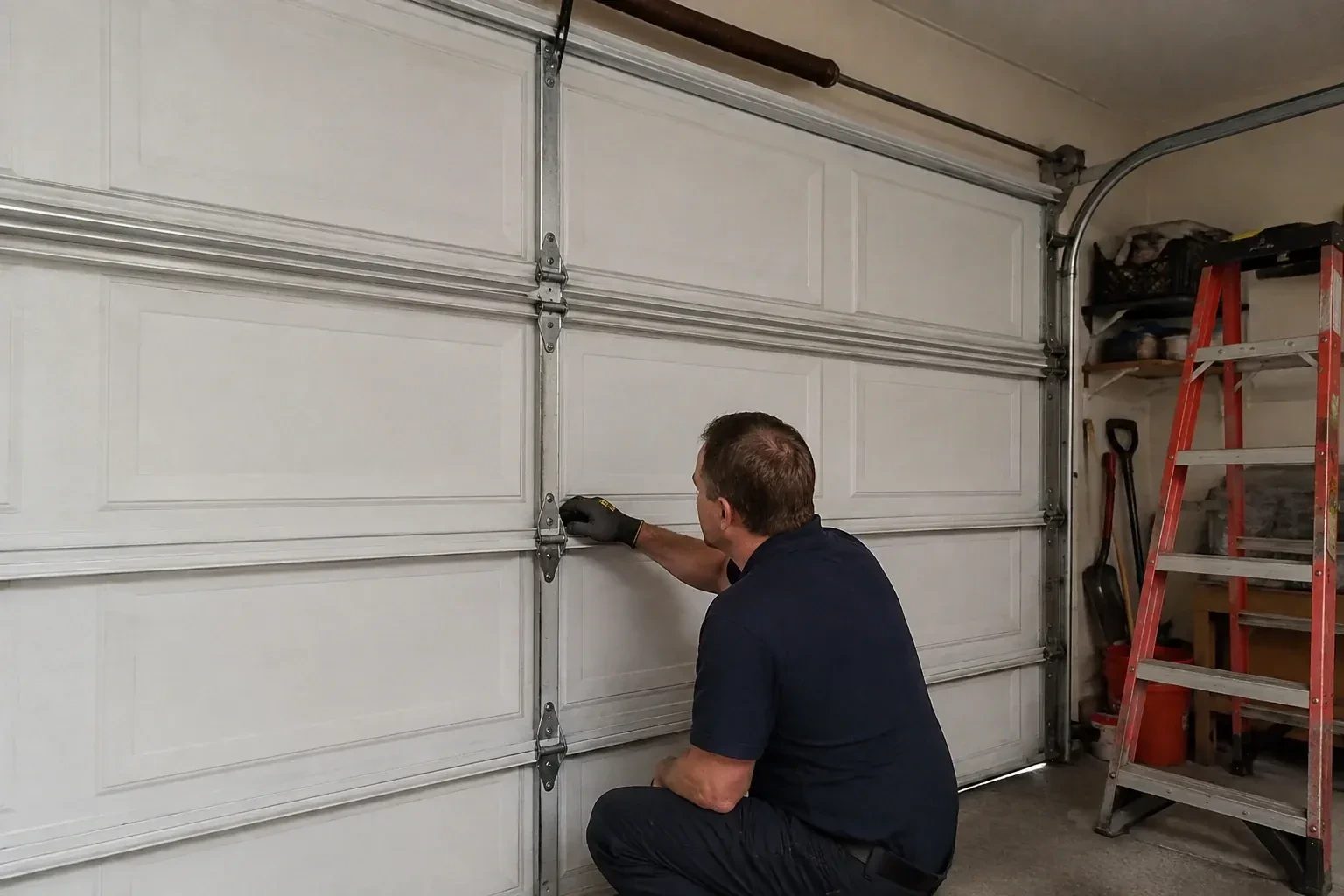
Every door in Kensal Park gets a safety check as part of the visit, whatever the reason we came. Photo-eyes are aligned, the auto-reverse is tested, the balance is confirmed and the cables are inspected. If something is close to failing, you hear about it plainly, with no pressure to act that day.
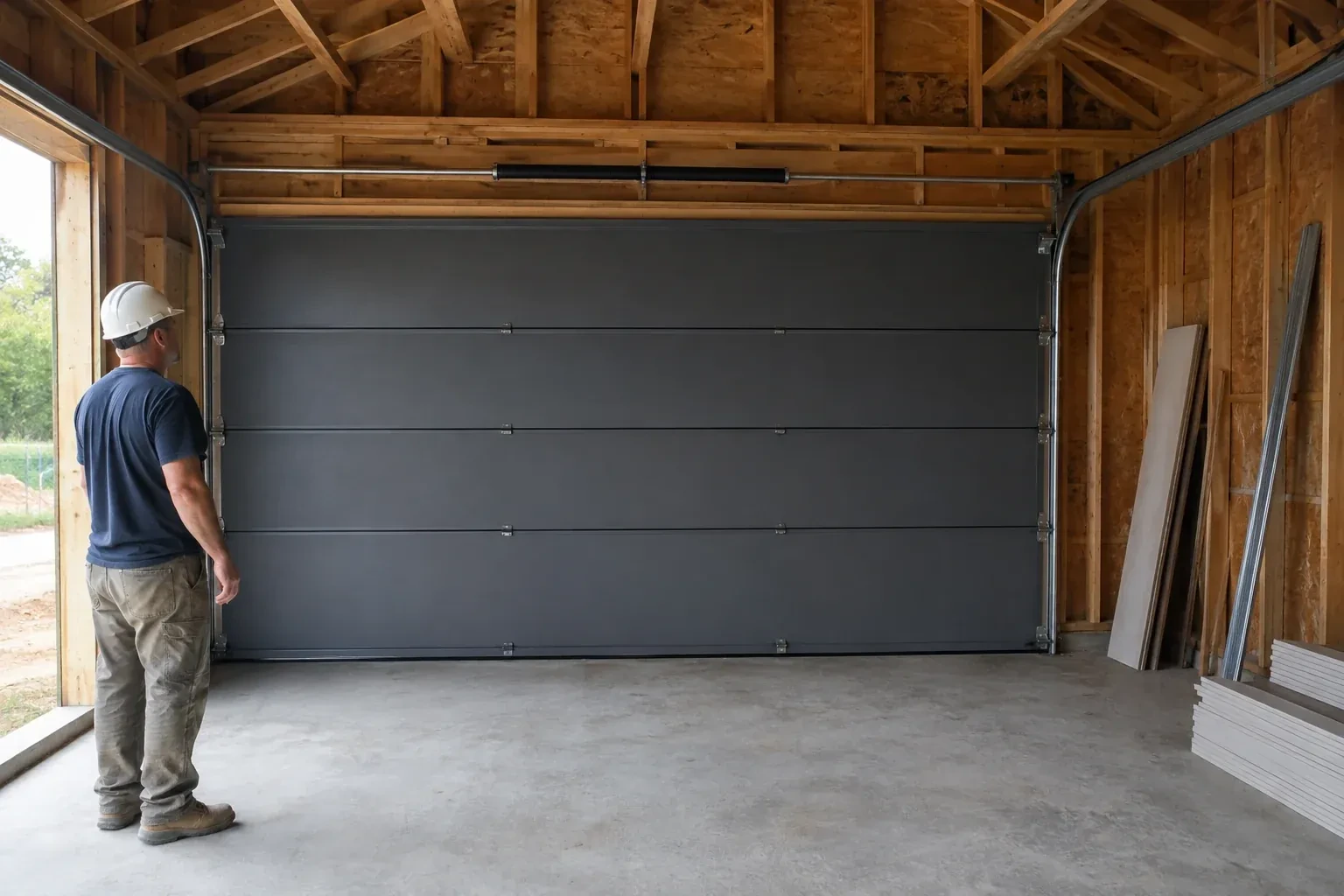
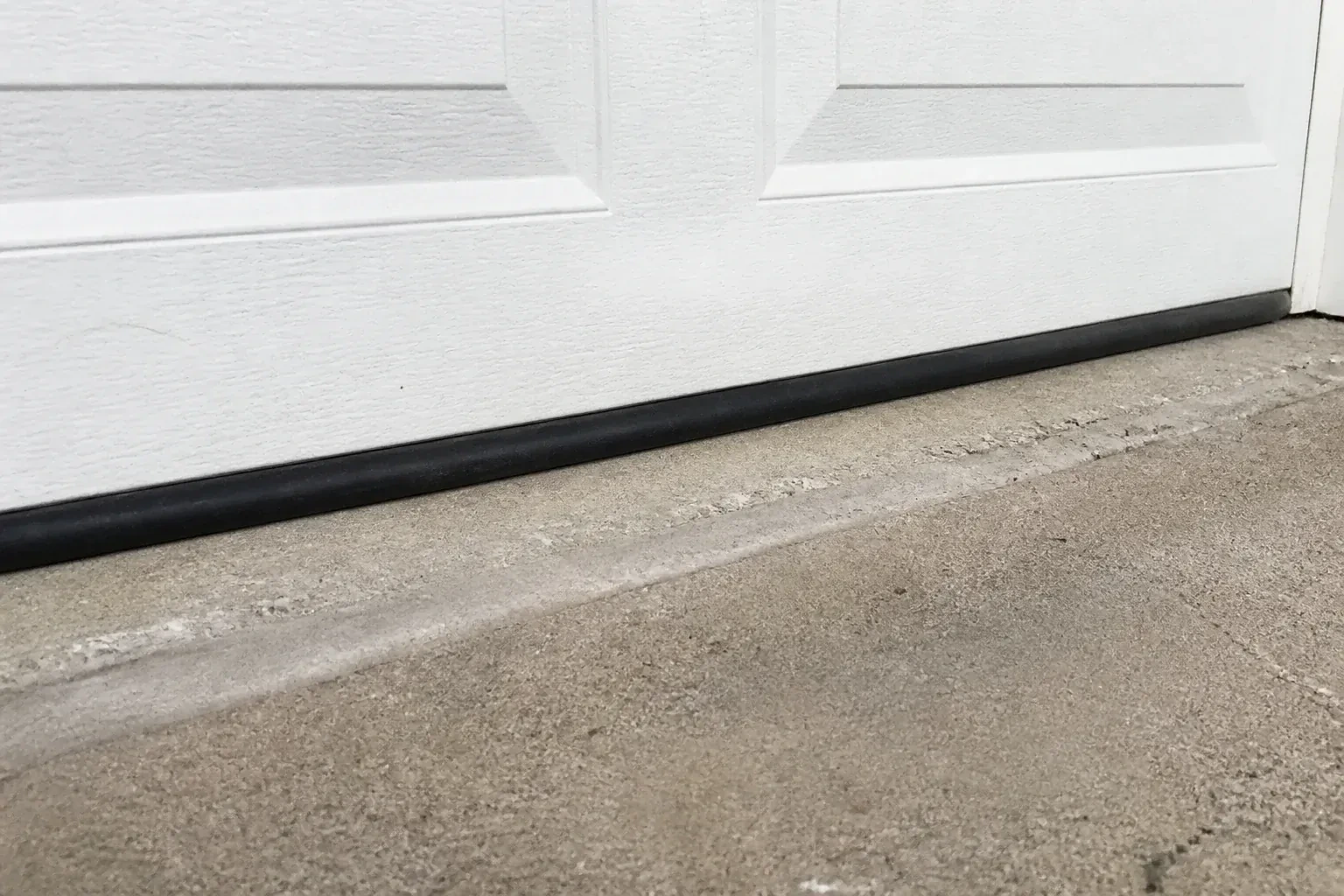
Many households in Kensal Park are weighing an insulated garage door, and we are glad to help with the decision. An insulated door changes how the garage feels through the year, keeps nearby rooms more comfortable and runs more quietly. We check whether the springs and opener can carry the extra weight, then install the door so the seals meet the floor and jambs properly.
21years in business
24/7open every day
Real explanations. Every recommendation comes with the reason behind it, in words that make sense to someone who has never opened an opener.
Care in your space. We work around bikes, tools and vehicles carefully, protect what needs protecting, and leave the garage clean.
No pushing. You hear the choices once, clearly. Whether to go ahead, wait or take a different route is yours to decide.
Book an on-site assessment for your door in Kensal Park.
The list below is what a garage door technician in Kensal Park actually does in a week: replaces springs and cables, resets doors that jumped the track, fixes and replaces openers, programs remotes and keypads, changes seals and rollers, tunes and balances doors, and installs new ones.
About 52% of homes in London were built in 1980 or earlier, according to the 2021 Census.
Older homes
In a mature neighbourhood the garage door is often the single largest feature of the front elevation, so keeping the original look matters. Modern insulated doors come in raised-panel and carriage styles that echo the older designs while running on today's torsion hardware.
Single-detached houses make up about 49% of homes in London (2021 Census).
Where housing is mixed, the doors are mixed as well: wide insulated doubles, narrow singles in rows and the occasional rolling door on a small commercial unit at the corner. Spring type, cable length and opener strength are matched to each door individually.
Cold snaps take a toll on springs already near the end of their life. A coil that was hanging on through the summer often lets go on the first hard frost. These services replace it and its partner properly.
Wood swells, steel dents, aluminum stays light and composite shrugs off the weather. Each material suits a different house and a different owner, and the installation group is where we help you weigh them and then fit the one you choose properly.
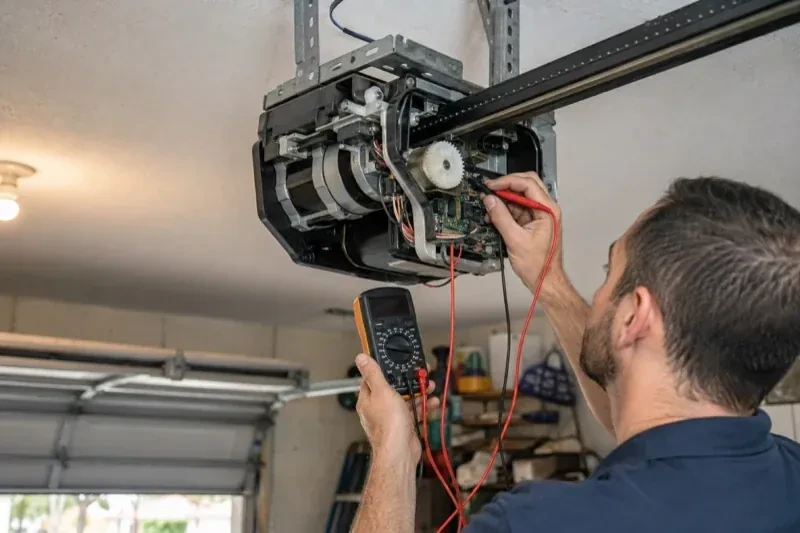
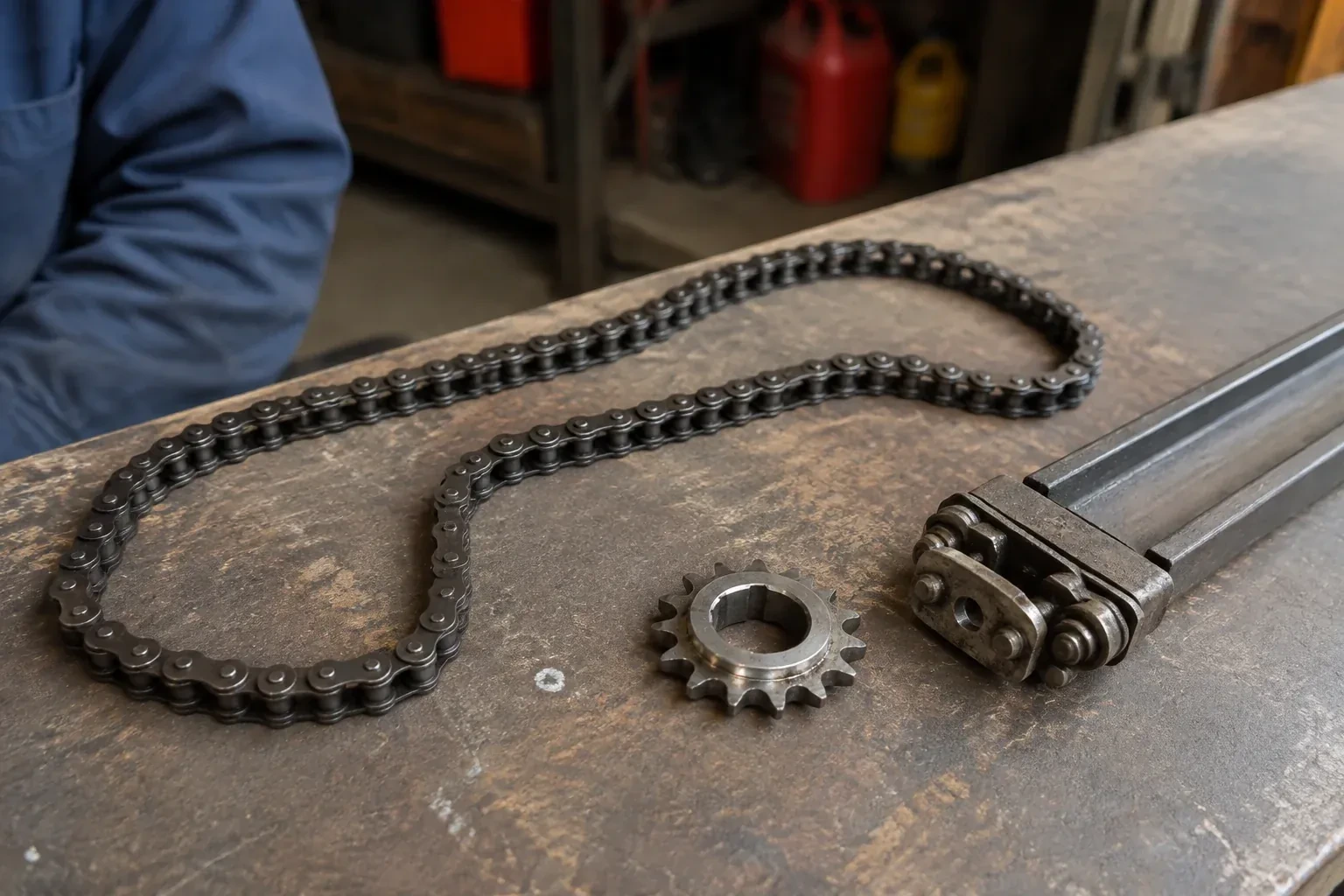
The motor runs, you can hear it working, but the door never moves. When you look up, the sprocket on top of the head is barely turning, and there is a little drift of pale plastic dust on the cover.
Press the remote and the motor runs its full cycle, lights on, the usual whir, but the door does not move a centimetre. Up at the trolley, the belt is hanging loose where a small plastic clip used to hold it.
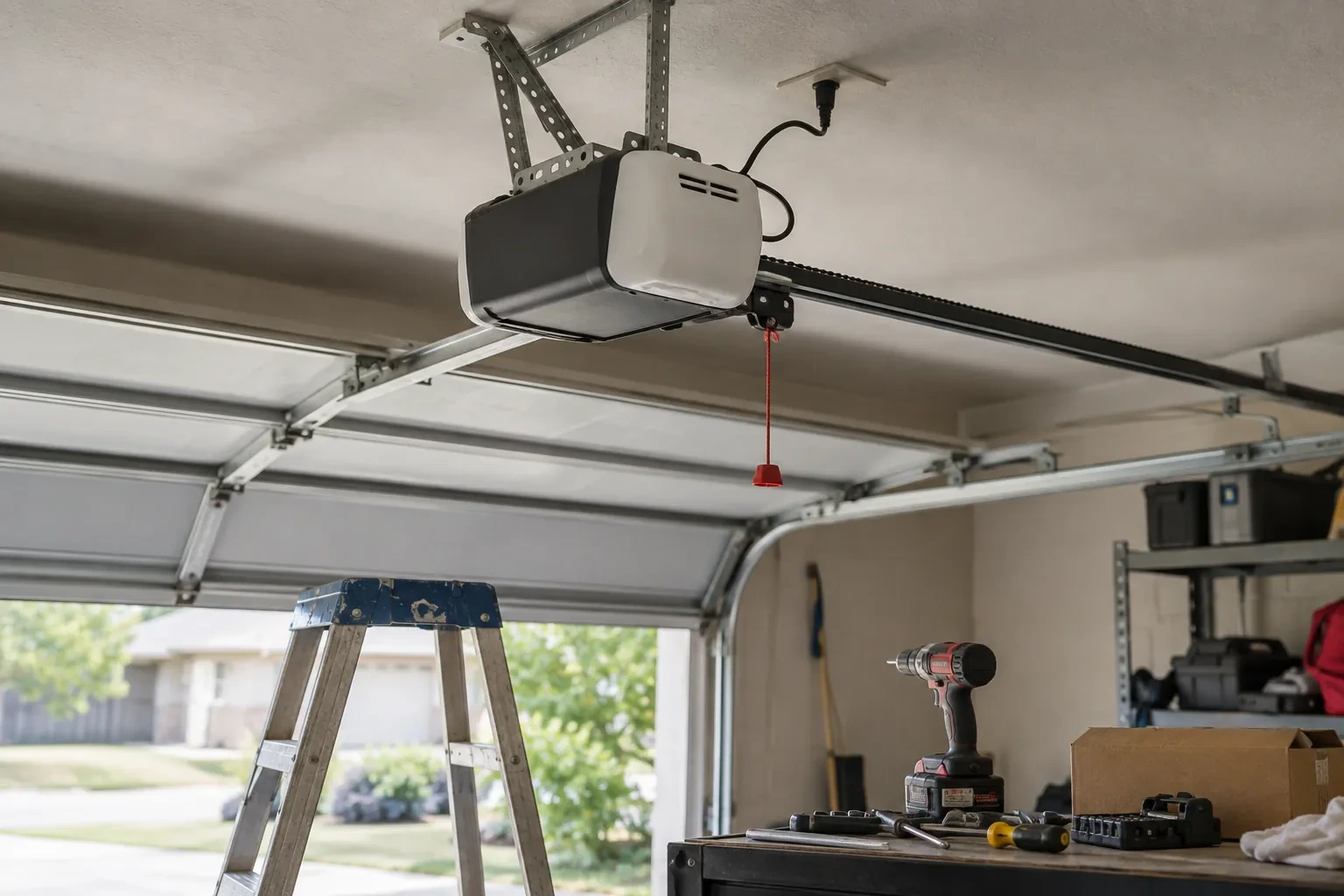
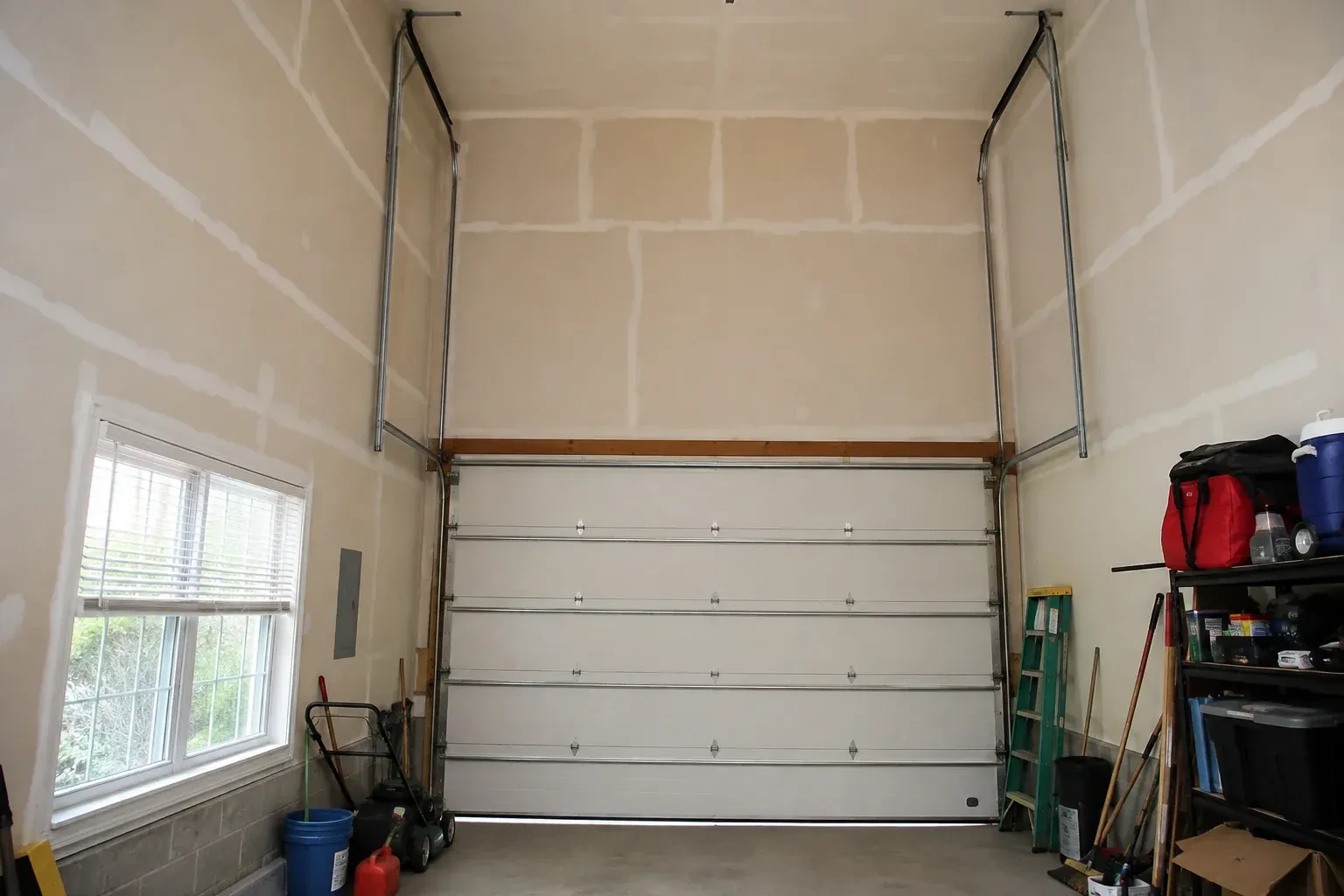
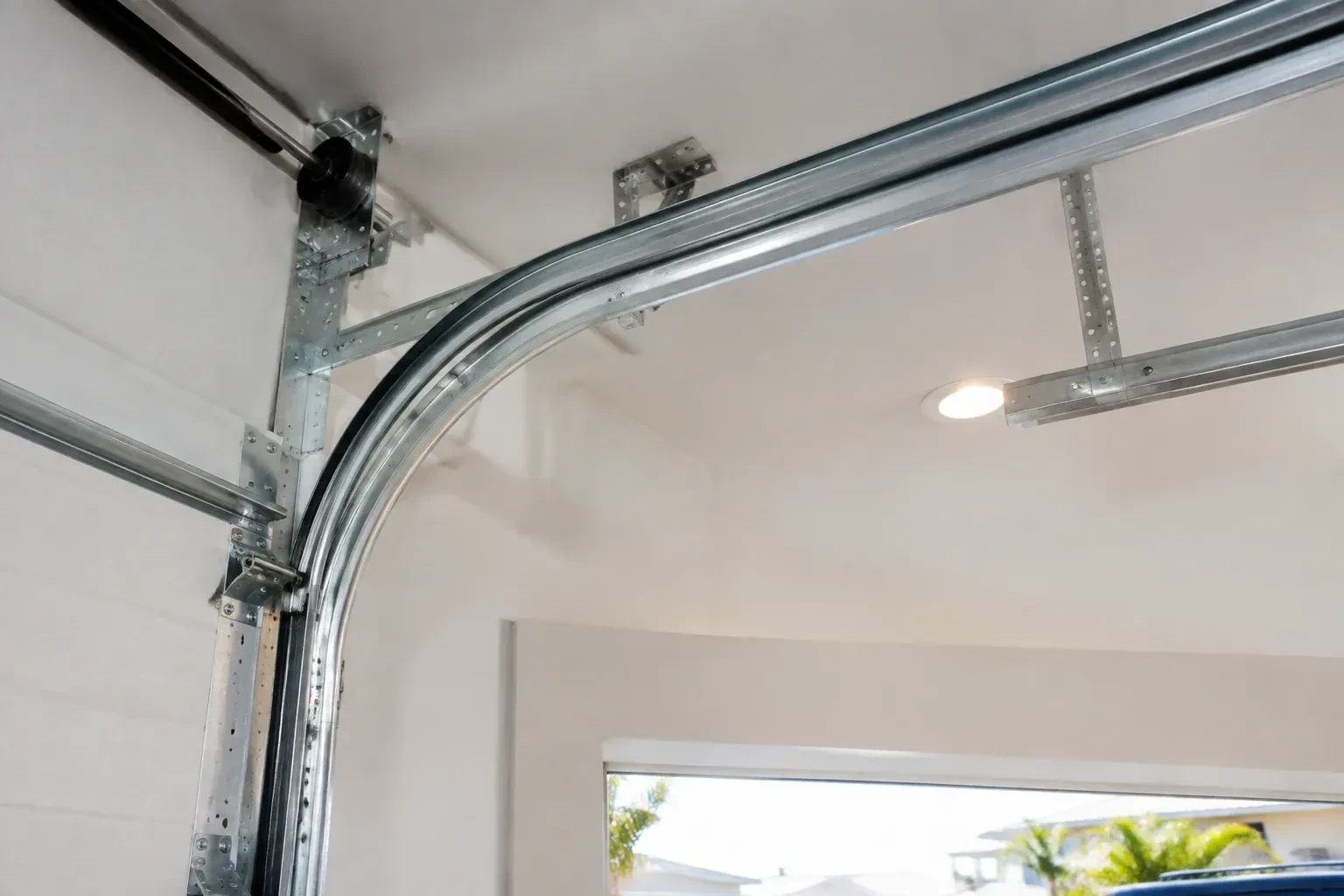
You want the ceiling back. A storage loft, a vehicle lift or kayak racks would fit if the long rail and motor box were not hanging in the middle of the garage, and the low ceiling of an older house leaves little room for the standard rail anyway.
On bright mornings the door will not close, then by lunchtime it behaves itself. The garage faces the low sun, and the light reaches straight across the floor to one of the little black sensors.
There is a wireless symbol printed on the opener above the car, and the manual mentions an app, but the head unit has never been connected to anything. You downloaded the app once, it asked for a serial number and a network, and the moment passed.
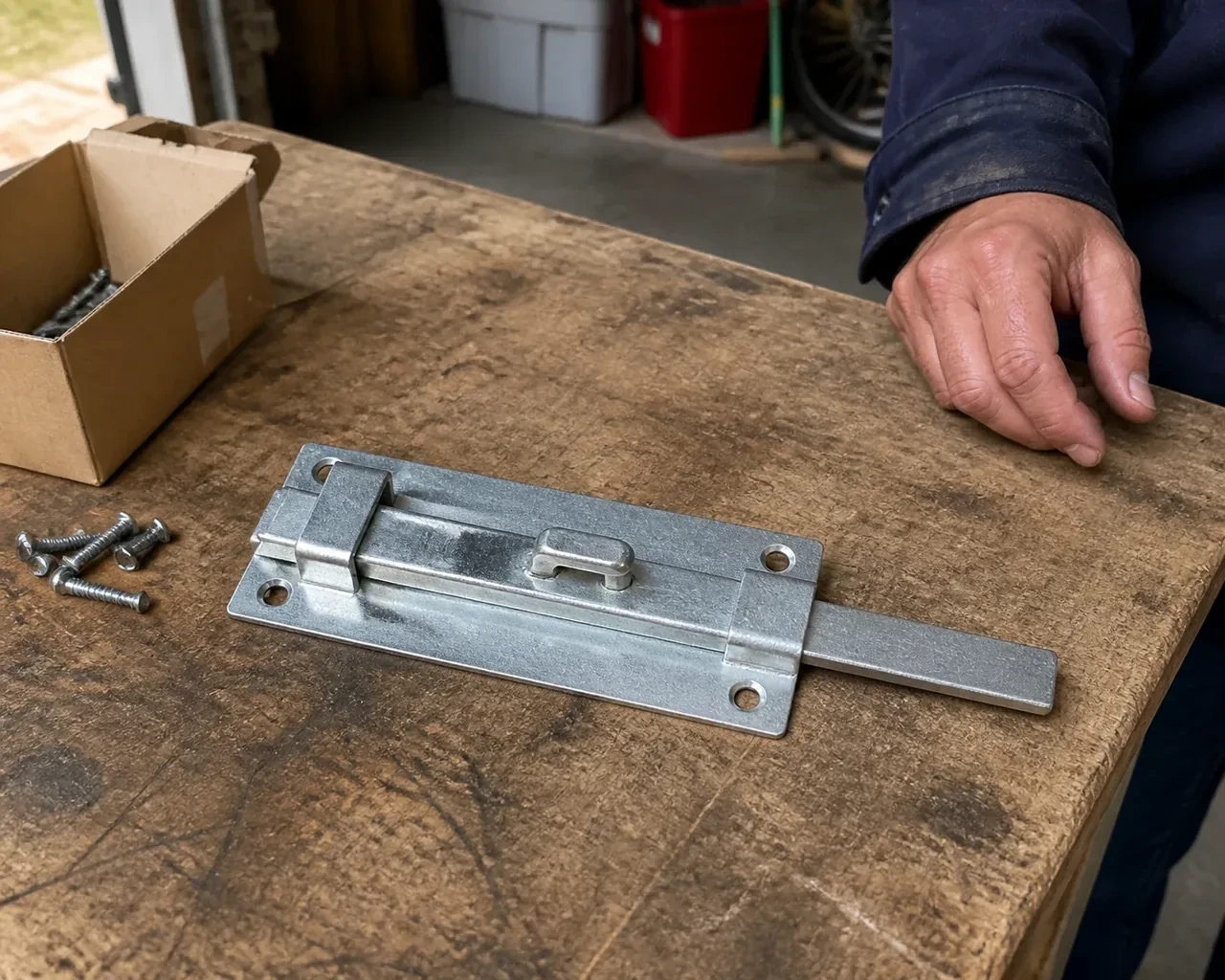
Your garage is detached and has no side door. The remote is dead, the keypad is dead, and the small round lock in the top panel is meant to be your way in.
Which fix fits?
Your car is inside and the door is stuck crooked across the opening.
WhyImpact damage often looks local but changes the path of the entire curtain.
An entrance. Not an afterthought.
1/10Off-Track Garage Door Reset
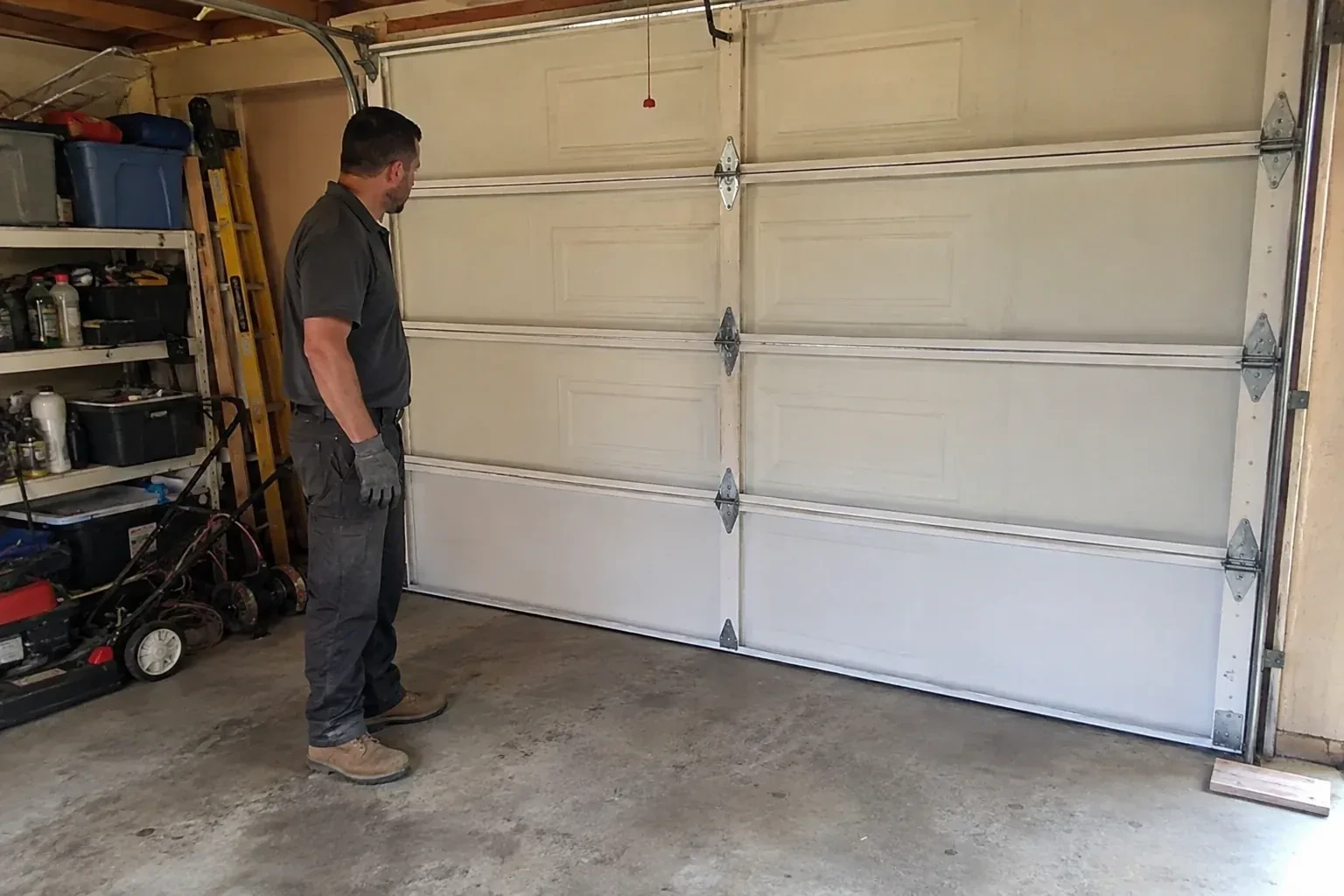
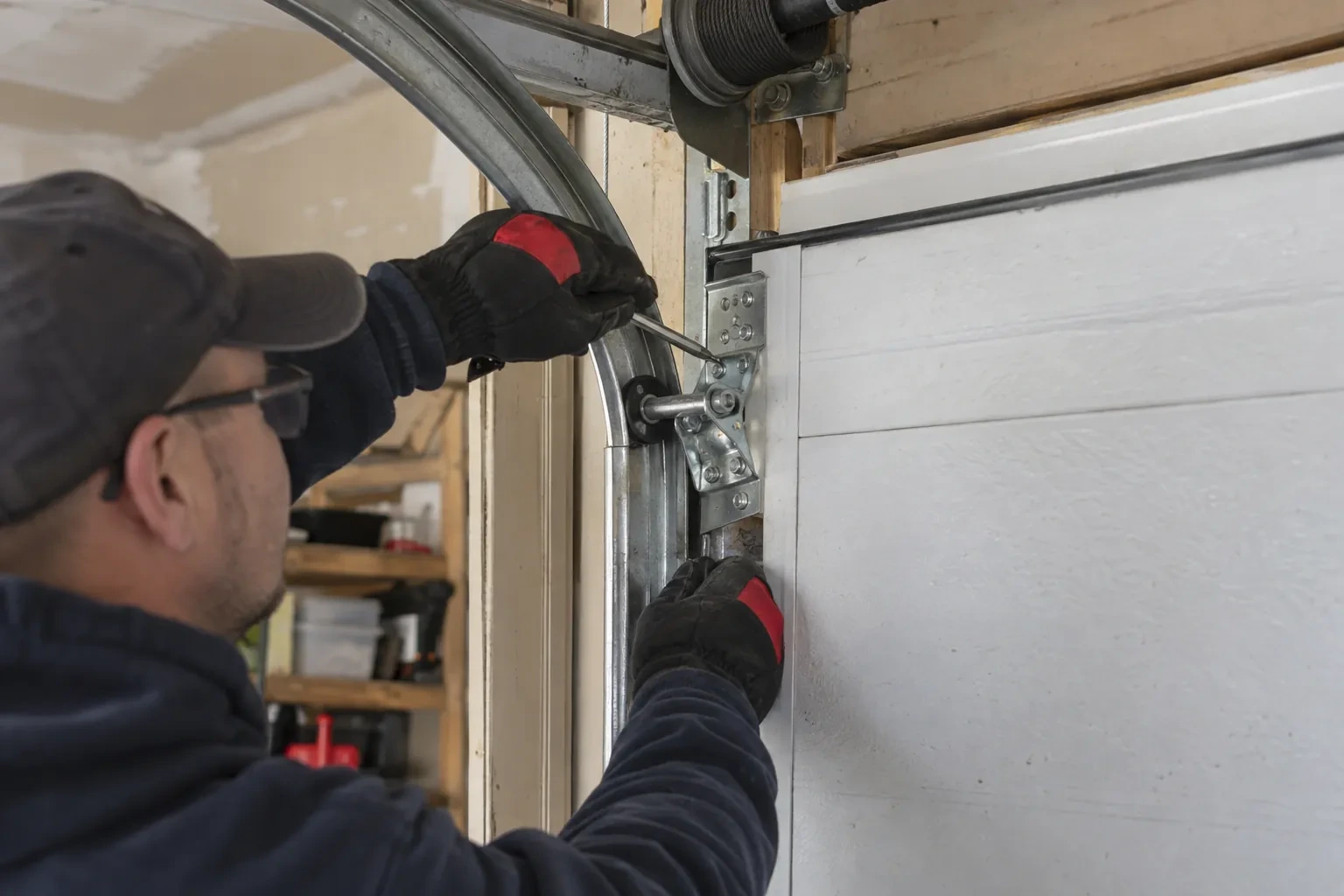
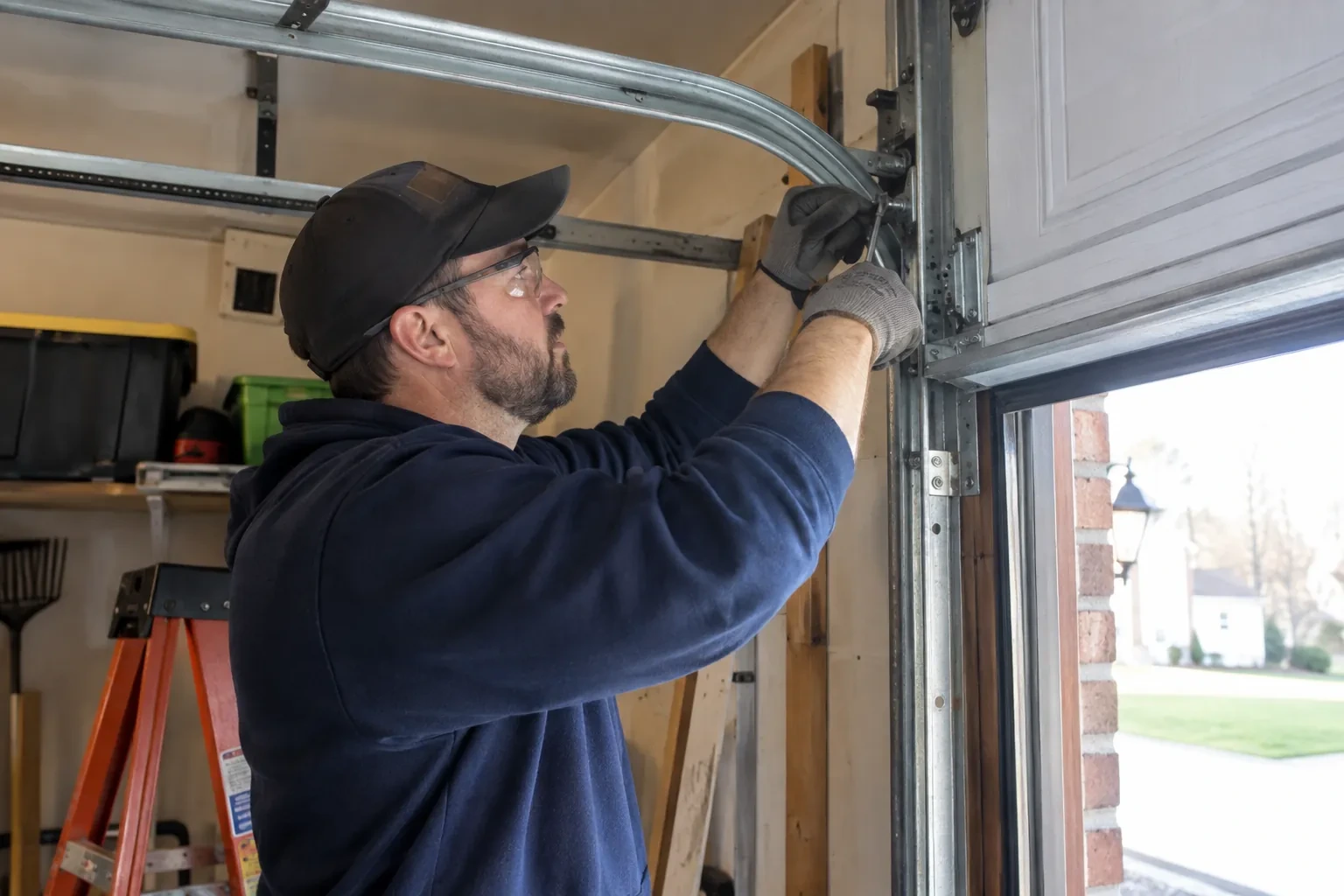
Your car is inside and the door is stuck crooked across the opening. Pushing the wall button just makes the motor hum, and one section is bent where a roller has climbed out of the curve at the top of the track.
The top section has developed a bend where the opener arm pulls on it. On the way up it flexes visibly, the door hesitates near the top of its travel, and daylight shows through the joint below it when the door is closed.
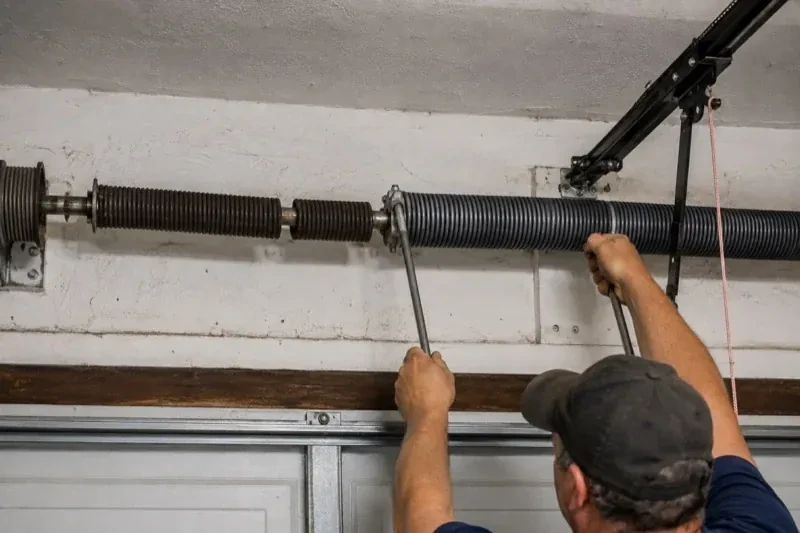
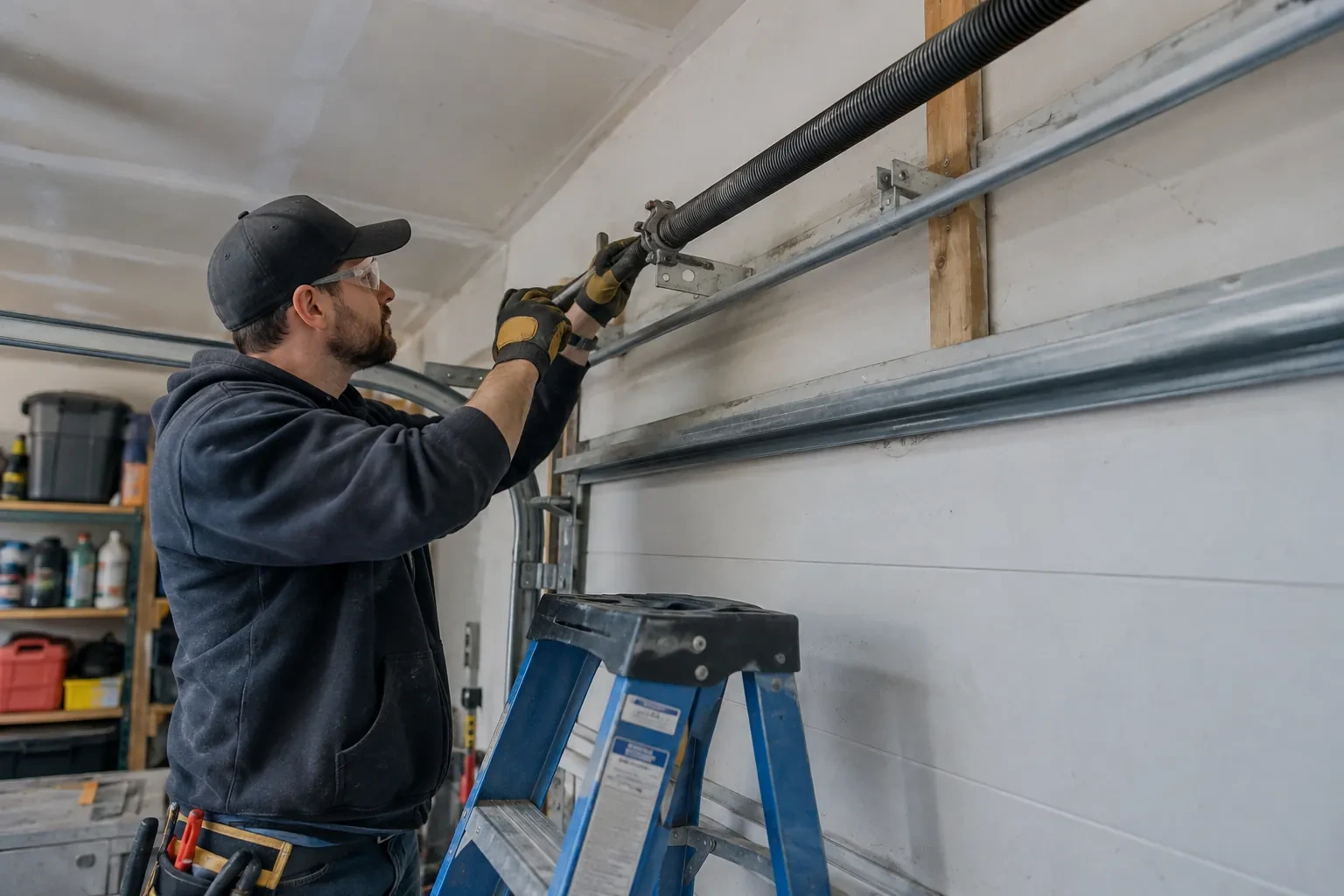
On a cold morning the remote does nothing useful: the light comes on, the motor turns briefly, the door stays shut. There may be a fresh crack in a rusty coil, and flakes of orange on the floor below the shaft.
It is the first hard frost of the year and the door on the old detached garage has stopped halfway, squealing at one pulley. The springs are the ones that came with the door decades ago, orange with rust where they hang near the back wall.
You press the remote from the driveway and hear the motor hum overhead, a steady drone with no movement behind it. The door stays shut. Press again and the hum returns, then quits, as if the machine is trying and cannot get a grip on anything.
The opener in the ceiling is older than the car parked under it. It groans on the way up, the light fixture rattles, and there are no small sensors near the floor. The last technician mentioned that parts for that model stopped being made years ago.
There are no sensors at the floor at all, or a previous owner has wired the pair together up beside the motor so the beam never crosses the doorway. A home inspector has just pointed it out.
The power went out in the middle of an ice storm, the car is inside, and when you reach up for the red handle there is nothing there. A frayed stub of cord hangs from the trolley, well above your fingertips, and the door sits shut.
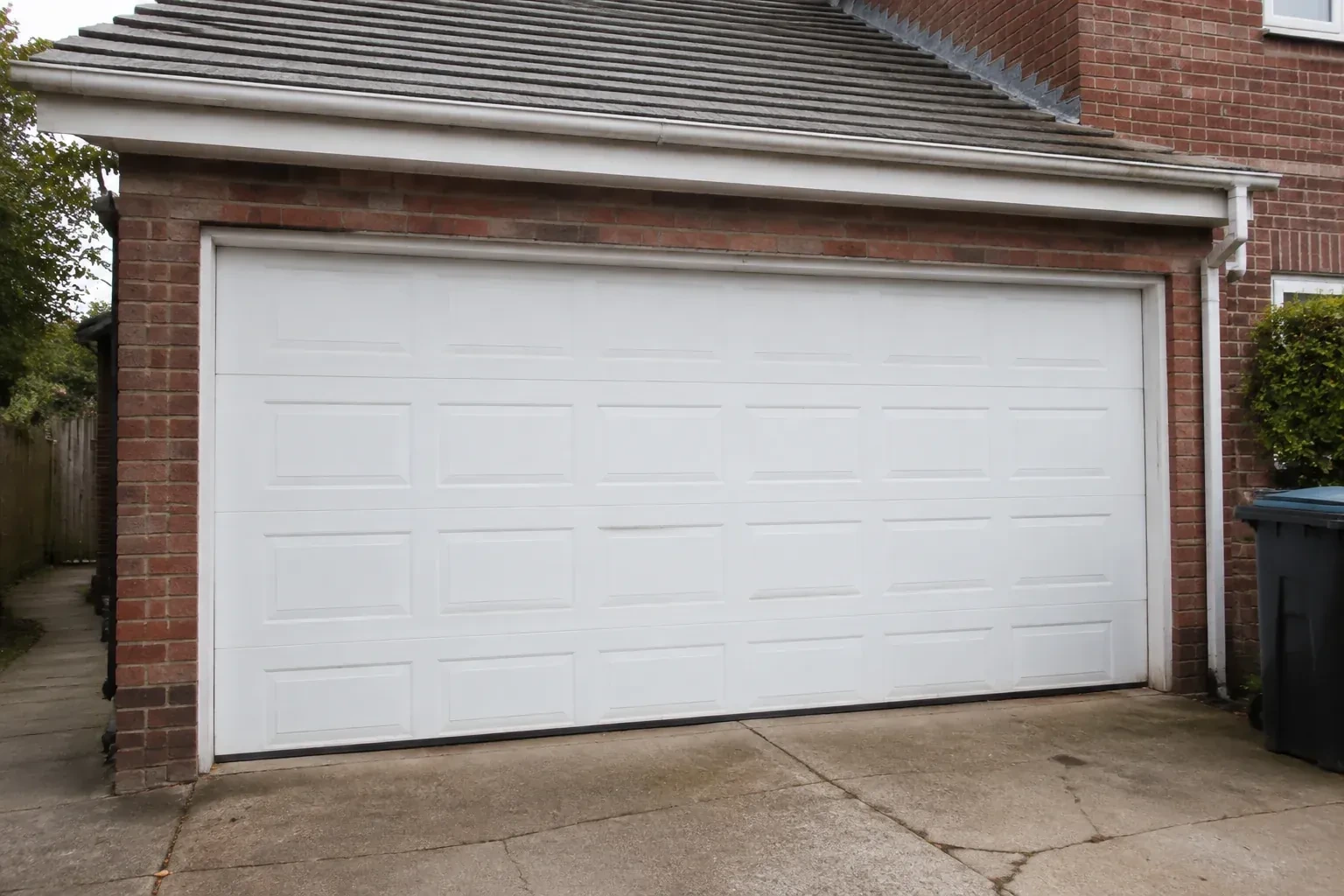
The front elevation calls for a garage door that belongs with the windows, masonry and trim. Panel design, colour, glazing and hardware all need to come together in one working overhead system.
The hand chain takes far more effort than it did last month. The curtain feels heavy from the first pull, pauses around mid-travel, and settles downward instead of holding a steady position.
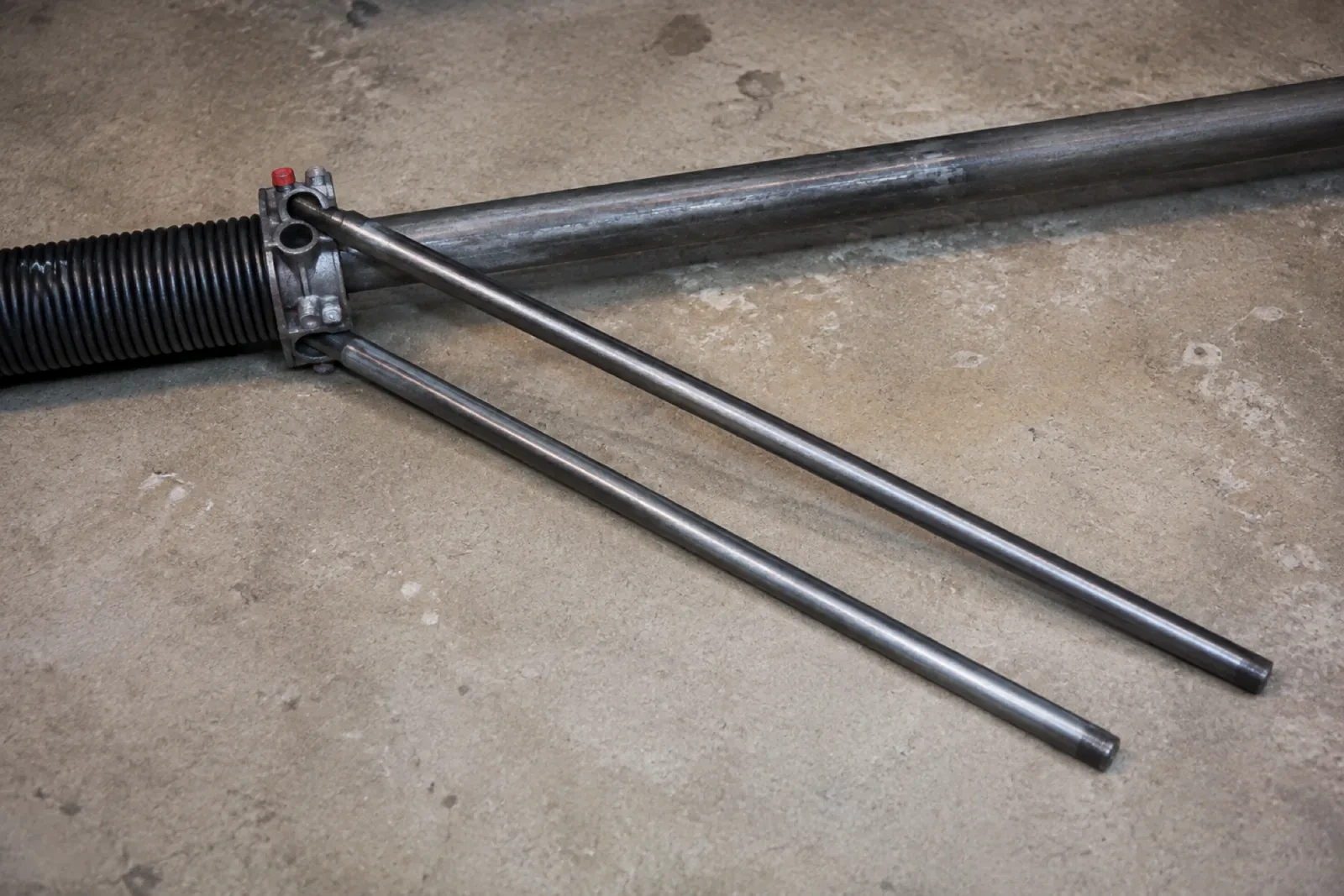
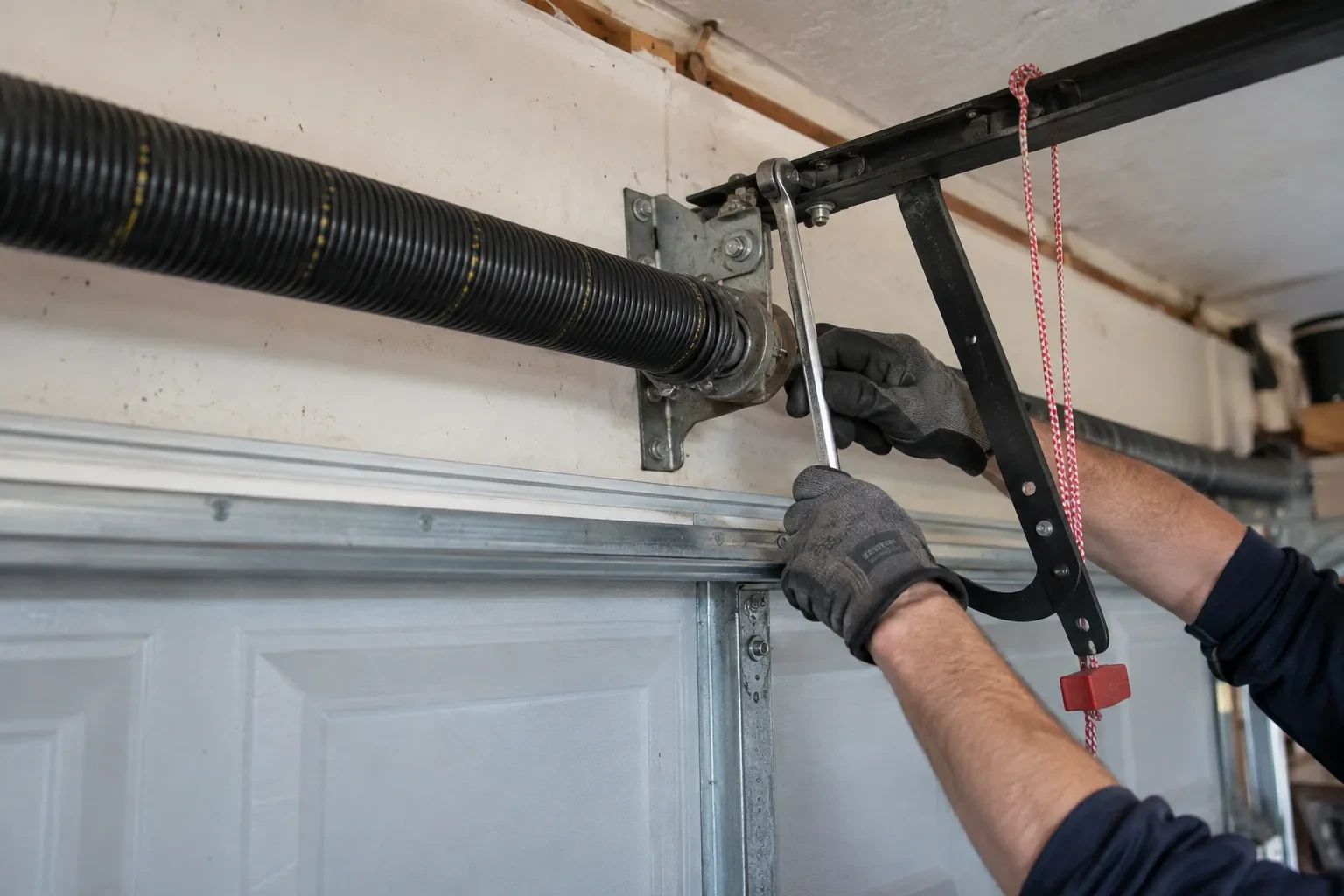
Frequently, in one of two ways. Springs that are worn, broken or mismatched to the door's weight make the opener carry a load it was never meant to, dragging the sections out of line. And whenever cables must be re-seated or replaced, the spring tension has to be released and rewound to do it. The technician assesses the springs at the start and tells you whether they are part of the fix.
How should I look after the door after the section is replaced?
A little routine goes a long way. Each month, look along the hinges for loose screws, spin the rollers, and check the door's balance by lifting it by hand with the opener disconnected. Twice a year, apply a light garage-door lubricant to hinge pivots, roller stems and springs, and keep the tracks clean and dry. Rinse salt off the lower sections in spring, touch up chips, and keep the bottom seal clear of ice in winter.
What about a garage with very little space above the door?
Low-headroom garages use a different arrangement: the spring assembly may be mounted at the rear of the horizontal tracks, or special low-headroom drums and track bring the door up with less clearance. Replacement follows the same principles, but the drums, cable routing and turn count differ. The technician identifies the system on arrival and brings hardware that suits it, so the door balances correctly in the space available.
What are the early signs that the springs are wearing out?
The door starts to feel heavier when lifted by hand and the opener sounds as though it is working harder. Released from the opener, the door sinks from halfway instead of holding. With the door open, gaps show between coils that used to sit tight together, or one spring hangs longer than the other. Rust bloom on the coils and a squeal from a pulley round out the list. Any of these is a good time to call.
Is a smart, app-connected opener diagnosed any differently?
The mechanical and electrical checks are identical, since the app is just another control. What is added is the connection: whether the head unit is on the home network, whether the app reports a fault code you can read off your phone, and whether a door-position sensor or hub has lost its pairing. Because the wall control and remotes work independently of the network, a door that fails on every control is a hardware question, not a connection one.
What is the red cord for?
It is the manual release. A tug on the red handle unhooks the trolley from the door arm so the door can be raised and lowered by hand while the power is off or the operator is being serviced. It hangs high enough to clear a vehicle roof but low enough to reach without a ladder. To reconnect, most units need only be run once and the trolley picks the arm back up; a few take a second tug.
What do the small lights on the sensors mean?
Arrangement varies by model: most pairs carry an indicator on each side, in differing colours for sender and receiver, though some older pairs light only the receiver, so check the maker's chart. A receiving light that is dark or flickering means the beam is not landing on it, so the pair needs aligning or something is in the way. Both lights dark means the pair has no power, which points to the wire or the terminals at the head unit. Steady lights on both sides mean a healthy system.
Why does the trolley run but never reconnect to the door?
Three usual causes. On many rails, pulling the cord back toward the opener deliberately holds the lever out for a spell of manual use, and someone forgot to return it. Or the trolley latch teeth or the release arm are worn or bent, so the two parts pass without catching. Or the carriage sits at the wrong point for the powered trolley to meet, since reconnecting is meant to happen during an opener cycle, not by pushing the door shut by hand. Each is a short fix once identified.
Who handles permits or inspections for the garage door work?
Responsibility depends on the project, municipality and the wider building scope, so it should be named in the construction documents or proposal. The builder can confirm what approvals cover the opening, framing, electrical work and installed door. The door installer supplies relevant product and installation information for their scope. Keeping these roles explicit prevents an inspection assigned to one party from being assumed by another.
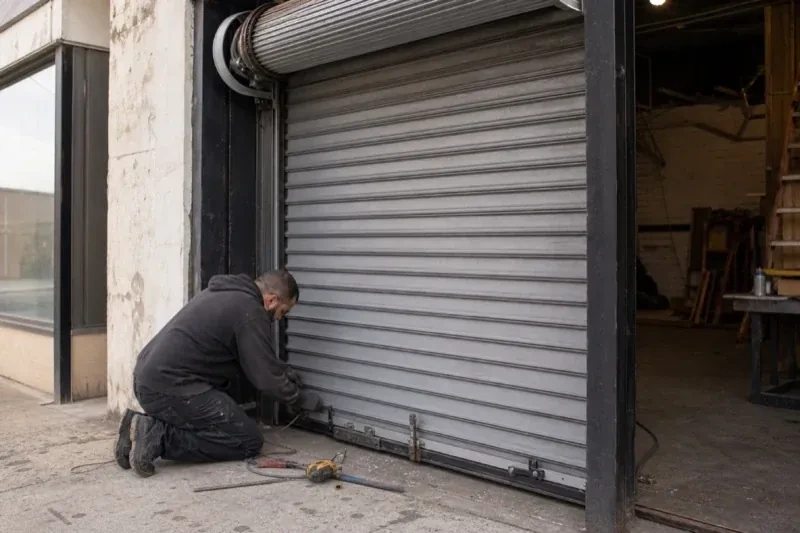
Why does the operator run but the curtain barely moves?
The door may be binding in a guide, held by a lock, poorly balanced, disconnected from part of the drive or affected by a slipping sprocket, chain or key. The operator itself may also have a brake or internal drive fault. Mechanical movement is checked before settings are changed so the motor is not used to overcome resistance.
Request a visit
Every door in Kensal Park gets a safety check as part of the visit, whatever the reason we came. Photo-eyes are aligned, the auto-reverse is tested, the balance is confirmed and the cables are inspected. If something is close to failing, you hear about it plainly, with no pressure to act that day.