New Doors · Westmount
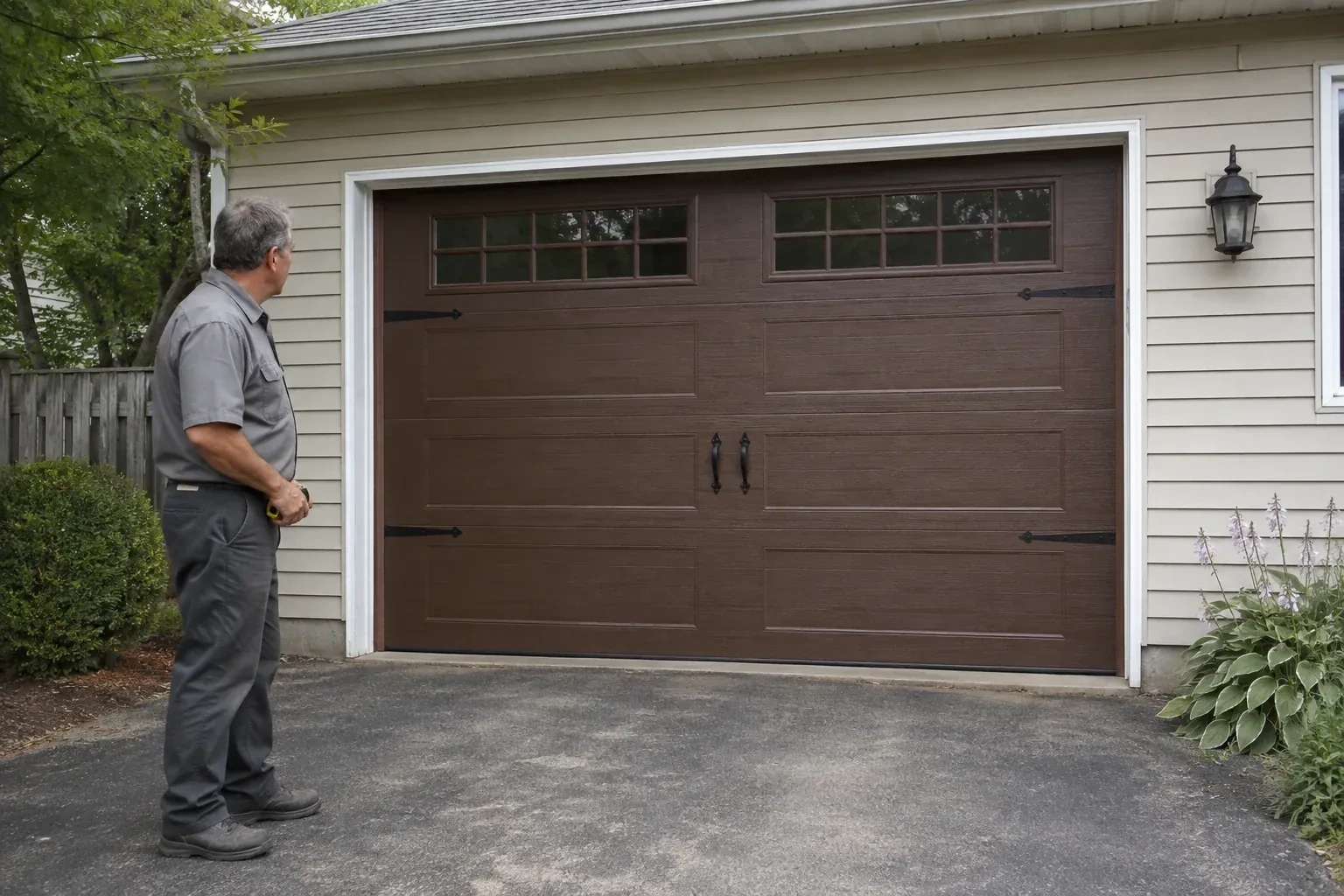
Carriage-House Garage Door Installation in Westmount
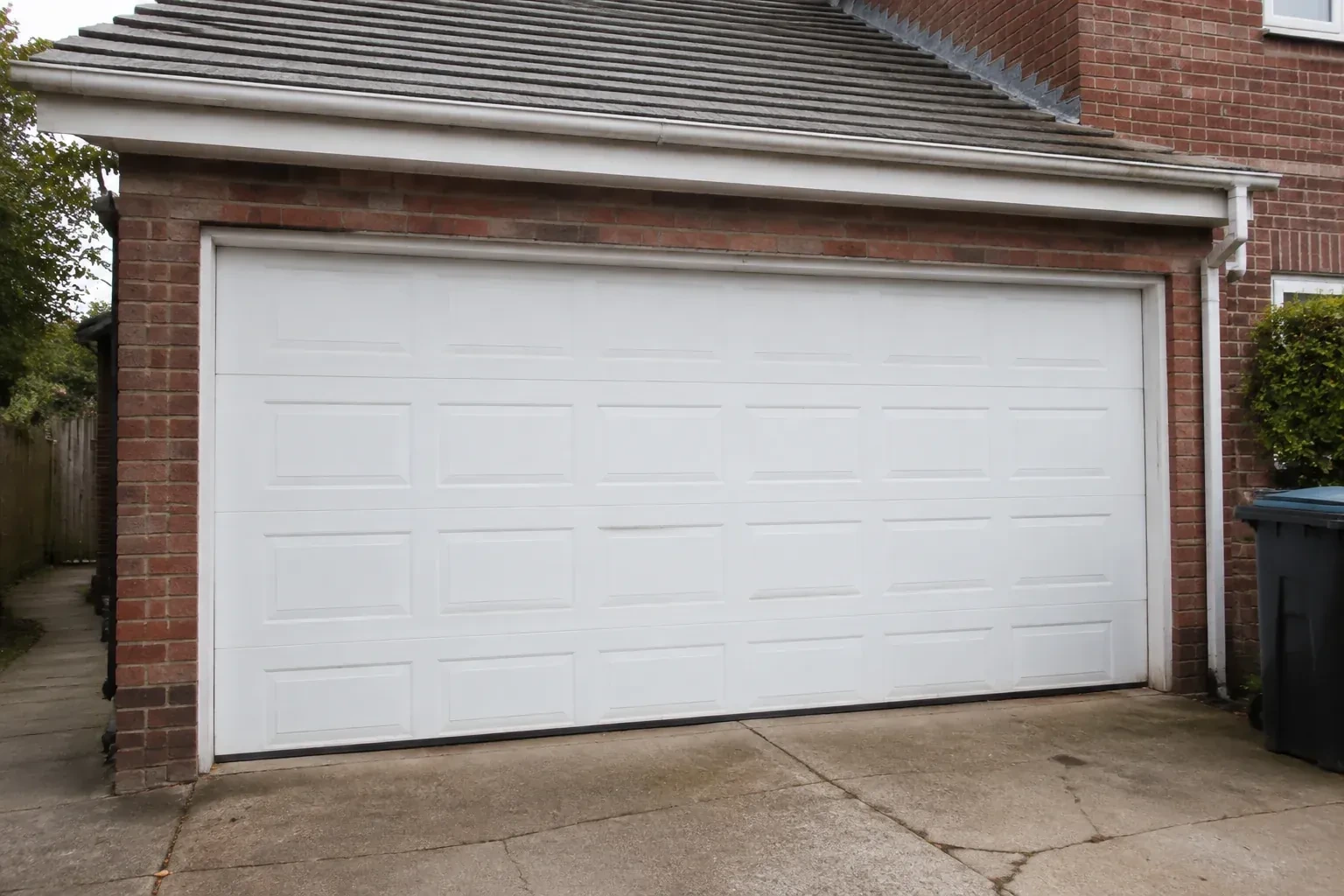
Cold air is noticeable around the current door, especially near the floor and section joints.
In plain words
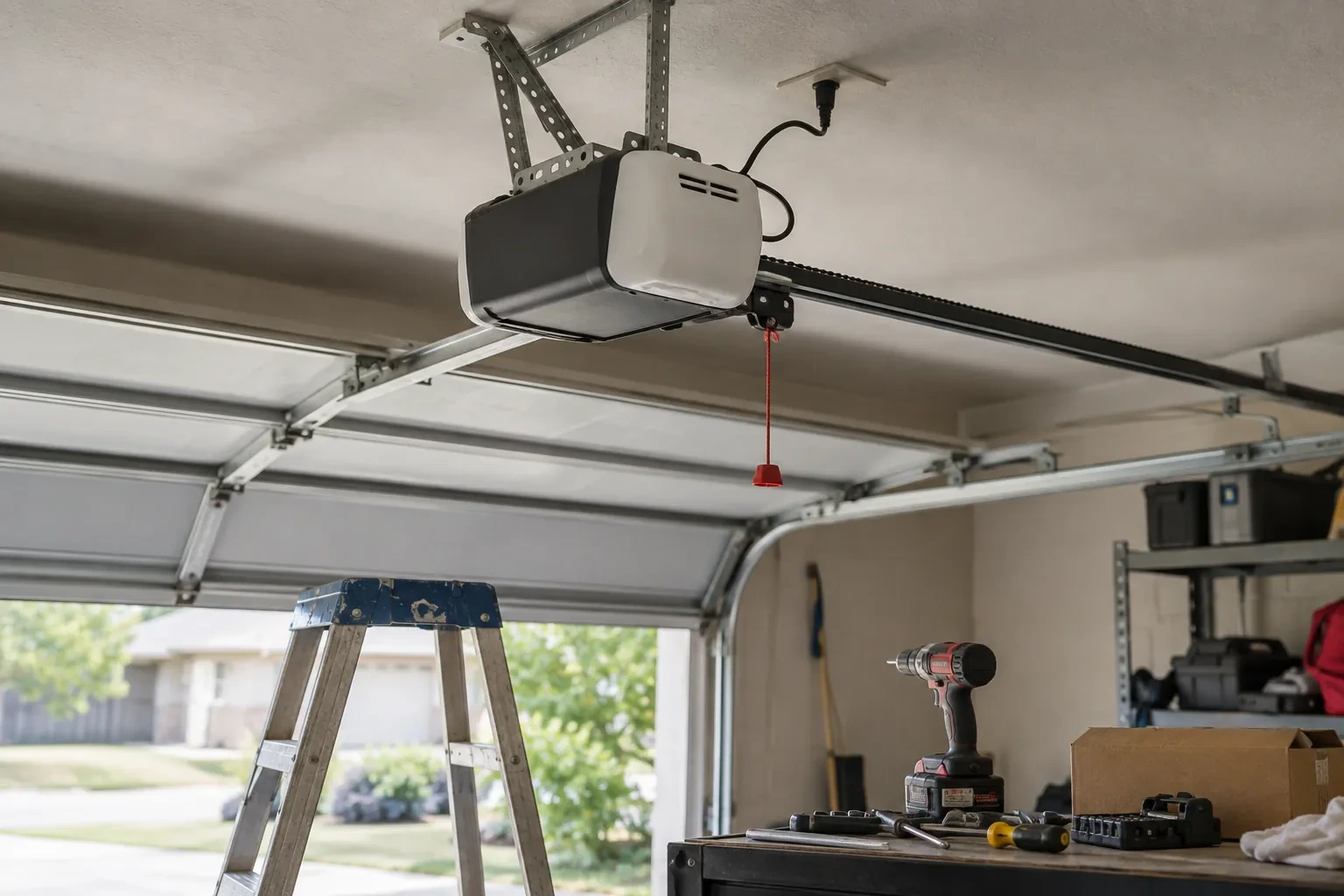
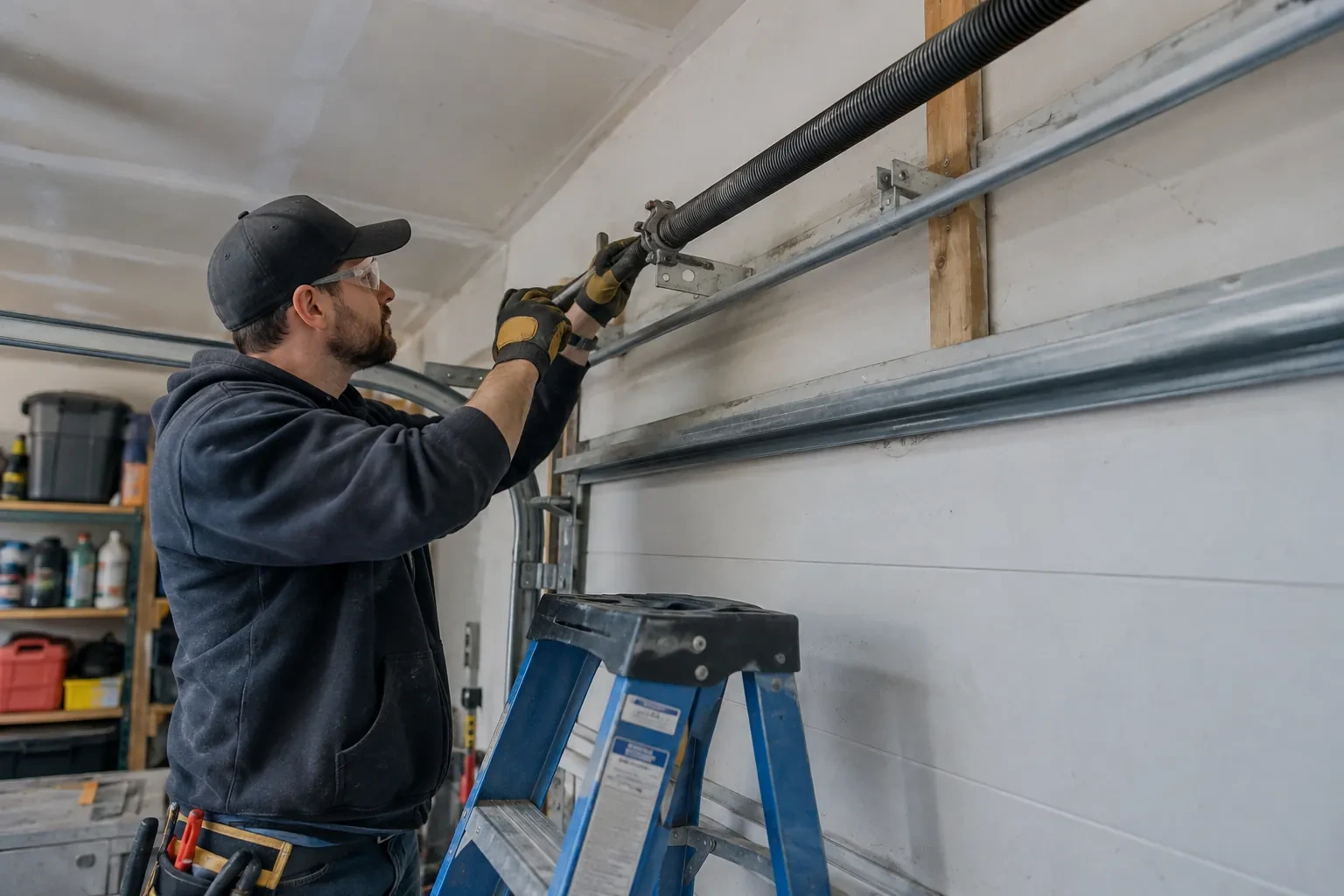
A heavier decorative door may need a different spring specification, stronger section reinforcement or another opener arrangement than the former door. That is why the service treats the door, counterbalance and operator as connected equipment. Technicians identify the new section weight, install matched lift components, balance the door by hand and only then set up powered operation. This sequence lets the opener control a balanced door and gives the customer a clear demonstration of both automatic and manual use.
How the visit goesThe garage feels dim whenever the overhead door is closed. You want a row of well-positioned windows that introduces daylight, protects privacy and fits naturally into a carriage-inspired panel layout.
Carriage-House Garage Door Installation
How the visit goes
Looking at the threshold and weather edge
The floor line tells an important part of the story. A straight, level slab accepts a standard bottom seal evenly, while a crown, dip or worn edge may need a different seal profile or related threshold work. The technician also notes drainage direction, salt exposure, exterior grade and the condition of side and top stops. These observations guide weather-seal selection and help the lower panel sit neatly when closed, especially where winter debris and meltwater regularly reach the opening.
Making way for the new assembly
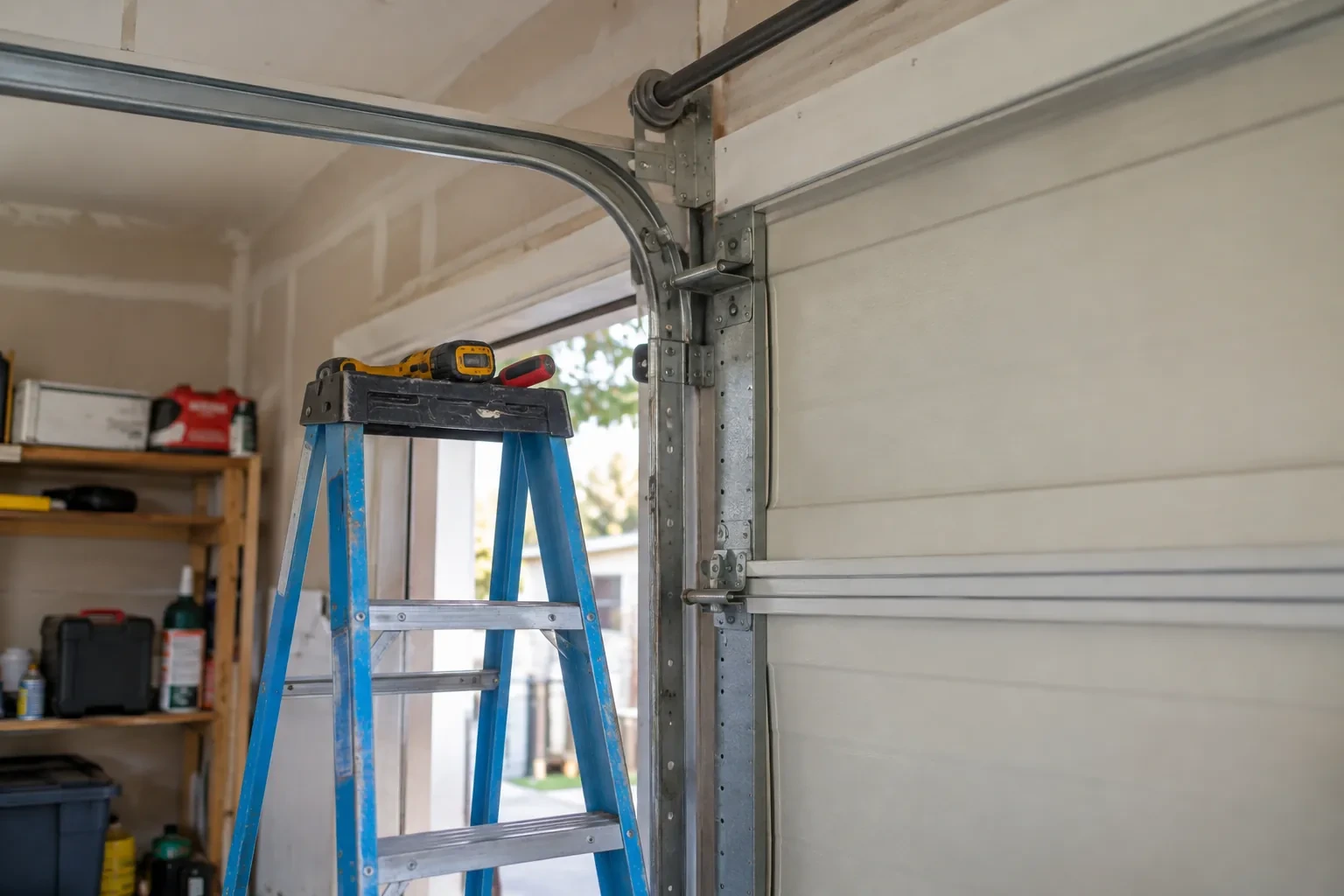
Removal begins with the old door closed and controlled. The opener is disconnected, the sections are secured and trained technicians release the spring system using the correct service tools. Cables, tracks and panels then come down in a deliberate sequence, with reusable building trim protected and the work area kept orderly. Once the opening is clear, old fastener points and mounting surfaces can be seen properly. A final measurement check at this stage confirms that the prepared opening matches the ordered system before new components are placed.
A balanced door the opener can guide
The new system is handed over with counterbalance set for its finished weight, including overlays, windows and reinforcement. When disconnected from the operator, the door should move with controlled effort and remain manageable at selected points in its travel. This balance reduces unnecessary strain across rollers, hinges and powered equipment. The homeowner is shown the normal feel of manual movement and how to use the release, creating a useful reference if operation changes later or the door must be moved during a power interruption.
Carriage-House Garage Door Installation
In the van
Bottom weather seal
Window glazing and inserts
Hinges and rollers
Side and top seals
Reinforcement struts
Carriage-House Garage Door Installation
What affects the quote
Controls and optional operating features
Wall controls, remotes, keypads, battery support and connected features vary by operator arrangement. Each requested function is separated from the core door installation for a clear quote.
Insulation and section thickness
Insulated cores, interior skins, thermal details and thicker sections change the door specification. They can also influence track spacing, window choices, reinforcement and the final assembly weight.
Track and headroom arrangement
Standard, low-headroom and other track layouts use different hardware and setup. Ceiling height, roof slope and obstructions determine which arrangement fits the available travel path.
What to have ready
- Which carriage-house panel patterns appeal to you?
- Will any framing or electrical work happen first?
- Would you like insulated sections and insulated glazing?
Carriage-House Garage Door Installation: questions
QuestionsCan the opening be widened for a larger door?
A wider opening can be a separate renovation project, but it requires more than changing the door order. The header, side framing, exterior finish, electrical items and supporting loads need appropriate review, along with any permit or design requirements. Once that work has defined and prepared the final opening, the carriage-house door can be measured and specified against stable dimensions.
What routine care does the decorative finish need?
Care follows the selected surface. Factory-finished steel and many composite overlays generally benefit from mild washing with non-abrasive tools, while wood components may require coating attention at intervals described in their instructions. Keep a record of the finish name and approved care products. During cleaning, look over overlay edges, fasteners, glazing retainers and weather seals for visible changes.
How should I choose the panel pattern for my house?
Start with fixed proportions already on the exterior: window widths, masonry lines, roof shapes, columns and entry-door details. A simpler pattern can settle a busy elevation, while cross-buck or divided-panel designs add stronger character to a plain wall. Scale matters across wide doors, so the pattern should be viewed as a full-opening drawing or sample rather than a small swatch alone.
Related services
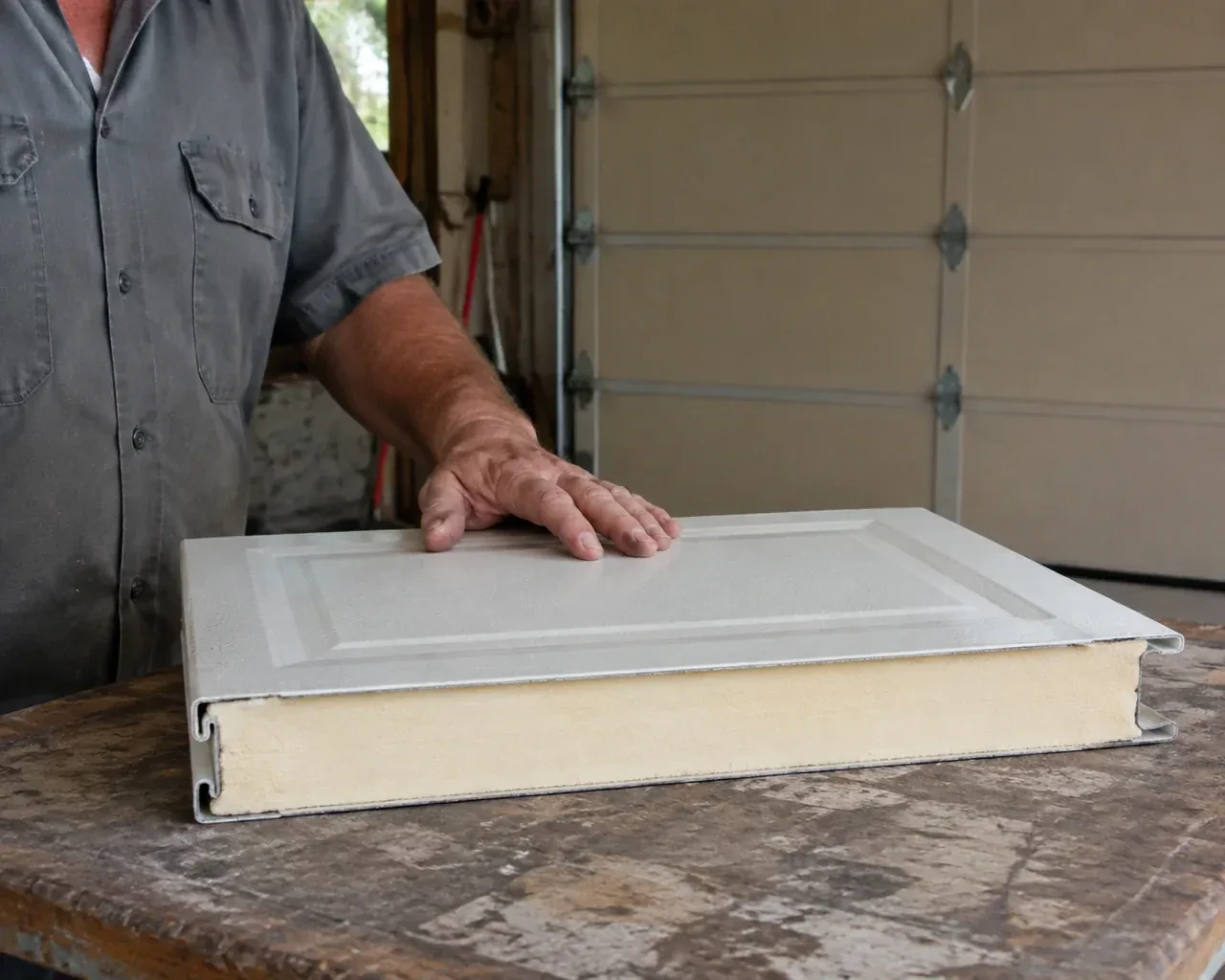
- Insulated Steel Garage Door InstallationYou want windows for natural light without turning the garage into a cold glass wall.
- Wind-Rated Garage Door ReplacementNew windows would improve the door's appearance, but they also change the section layout and reinforcement pattern.
- Full-View Glass Garage Door InstallationA heated garage feels cold beside its ageing door each winter.