New Doors · Kensal Park
Commercial Rolling Door Repair in Kensal Park
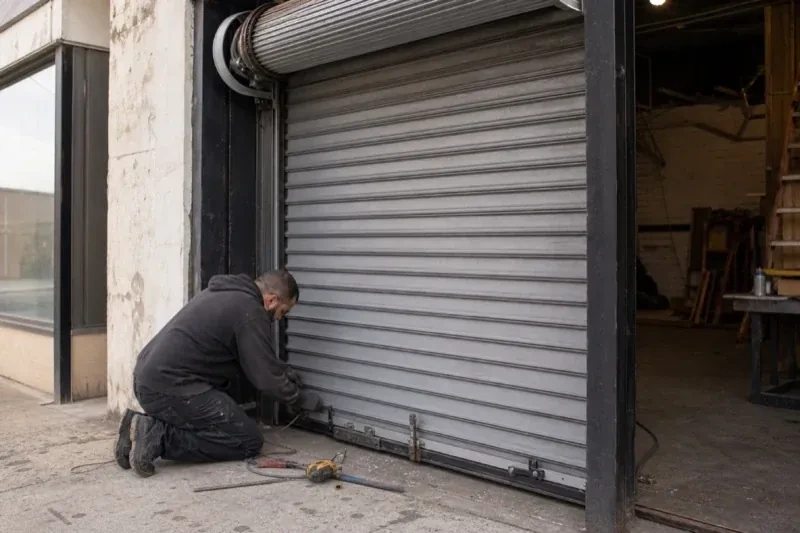
The labelled rolling fire door still moves from its control, yet the release assembly and closing path were disturbed during nearby work.
In plain words
Impact damage often looks local but changes the path of the entire curtain. A bowed bottom bar can spread a guide, a bent slat can pull endlocks sideways, and a struck jamb can alter the opening width. Repair begins with measurements at the guides and brackets as well as a close look at the damaged section. Serviceable slats or curtain sections can be renewed, guides realigned and fasteners restored using components that match the identified assembly. The final check watches the repaired area enter the coil, pass through both guides and meet the sill evenly.
How the visit goesThe hand chain takes far more effort than it did last month. The curtain feels heavy from the first pull, pauses around mid-travel, and settles downward instead of holding a steady position.
Commercial Rolling Door Repair
How the visit goes
Start with the operating story
The first clues come from the people who use the opening. The technician asks whether the change appeared after an impact, power interruption, cold night or gradual increase in noise; where the curtain stops; which control was used; and how many cycles the door normally sees. Staff can also point out a lock that sticks, a manual chain that has become heavy or a sensor that needs repeated cleaning. That history narrows the inspection before any cycling begins and distinguishes a one-time obstruction from wear that has been developing across the whole assembly.
Set controls and protective response
Control and protection devices are returned to their documented roles. Photoelectric sensors are aligned and secured at the required position for the operator system, sensing edges are inspected for full-length response, and damaged cables or connectors included in the scope are renewed. Key stations, three-button controls and access inputs are checked without retaining private codes. During testing, an intentional beam obstruction or edge activation is introduced in a controlled manner to observe the operator's response. Vehicle-detection accessories are tested separately from entrapment-protection devices so each function is understood and recorded accurately.
Better contact at the weather line
Where sealing work was included, the renewed astragal follows the sill with consistent contact and the curtain closes without pressing the seal flat. Staff can preserve it by clearing abrasive grit, packaging and frozen buildup before cycling the door. Drainage near the opening should direct meltwater away from the bottom bar, and sensor faces benefit from a gentle wipe after salt spray. The service notes identify the lubricant and cleaning approach suited to the installed product. These routines support smooth winter movement and help the lower curtain, guides and fasteners remain easy to inspect.
Commercial Rolling Door Repair
In the van
Hand-chain hoist components
Operator brake and limits
Sensing edge and controls
Windlocks and curtain fasteners
Roller chain and sprockets
Commercial Rolling Door Repair
What affects the quote
Controls and interlocks
Three-button stations, key controls, lock interlocks, pass-door interlocks and access-system inputs create different diagnostic paths. The quote identifies which door-side controls are included in testing.
Bottom bar and sealing needs
A twisted bottom bar, torn astragal, worn retainer, sensing edge and misaligned slide bolts are distinct items. Floor slope and threshold condition also influence the closure-line work.
Door construction and size
A coiling slat curtain, rolling sheet door, insulated assembly or labelled fire door uses different components and procedures. Opening width and height also shape curtain weight, access and handling equipment.
What to have ready
- Can both sides of the opening be cleared for work?
- Is the curtain fully open, closed or stopped between limits?
- Does winter moisture, ice or salt collect at the sill?
Commercial Rolling Door Repair: questions
QuestionsCan guide damage be straightened instead of replaced?
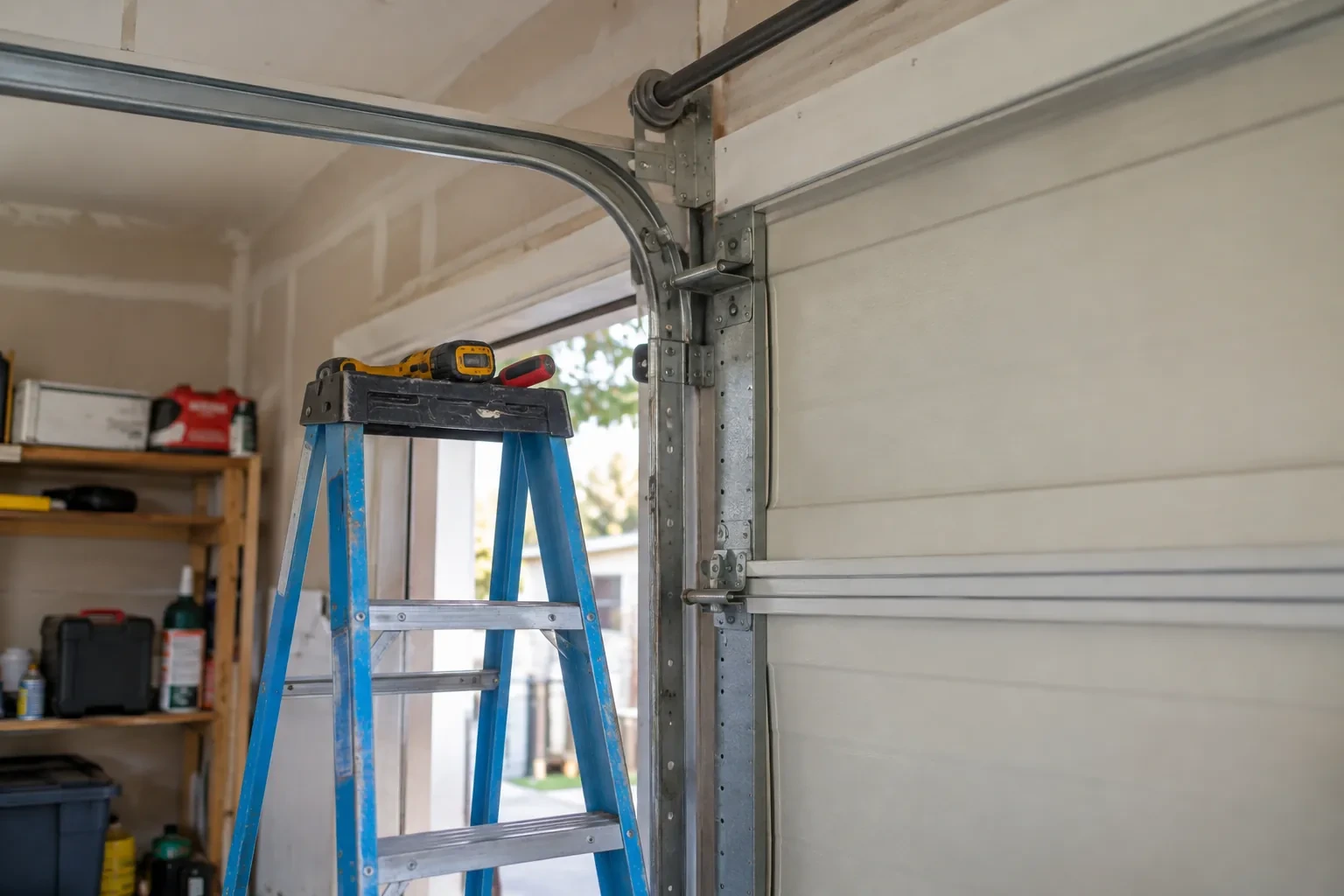
Some local bends can be corrected when the guide retains its strength, fastening points and required profile. Creased, torn, heavily corroded or repeatedly struck sections may call for compatible replacement. The choice also depends on guide gap, endlock or windlock arrangement, mounting construction and whether the door is part of a labelled fire-protection assembly.
Why does the operator run but the curtain barely moves?
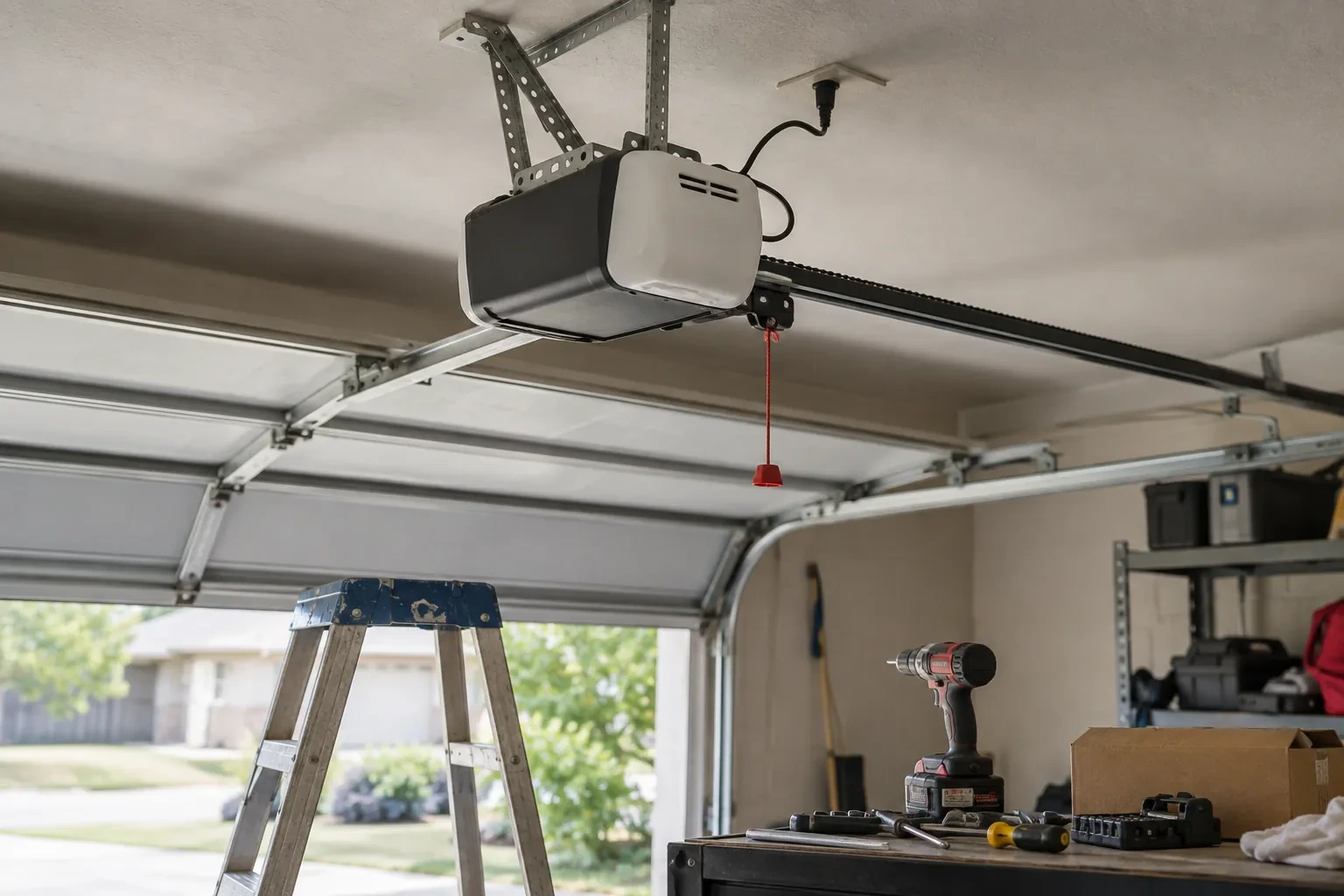
The door may be binding in a guide, held by a lock, poorly balanced, disconnected from part of the drive or affected by a slipping sprocket, chain or key. The operator itself may also have a brake or internal drive fault. Mechanical movement is checked before settings are changed so the motor is not used to overcome resistance.
What makes a rolling door different from a sectional overhead door?
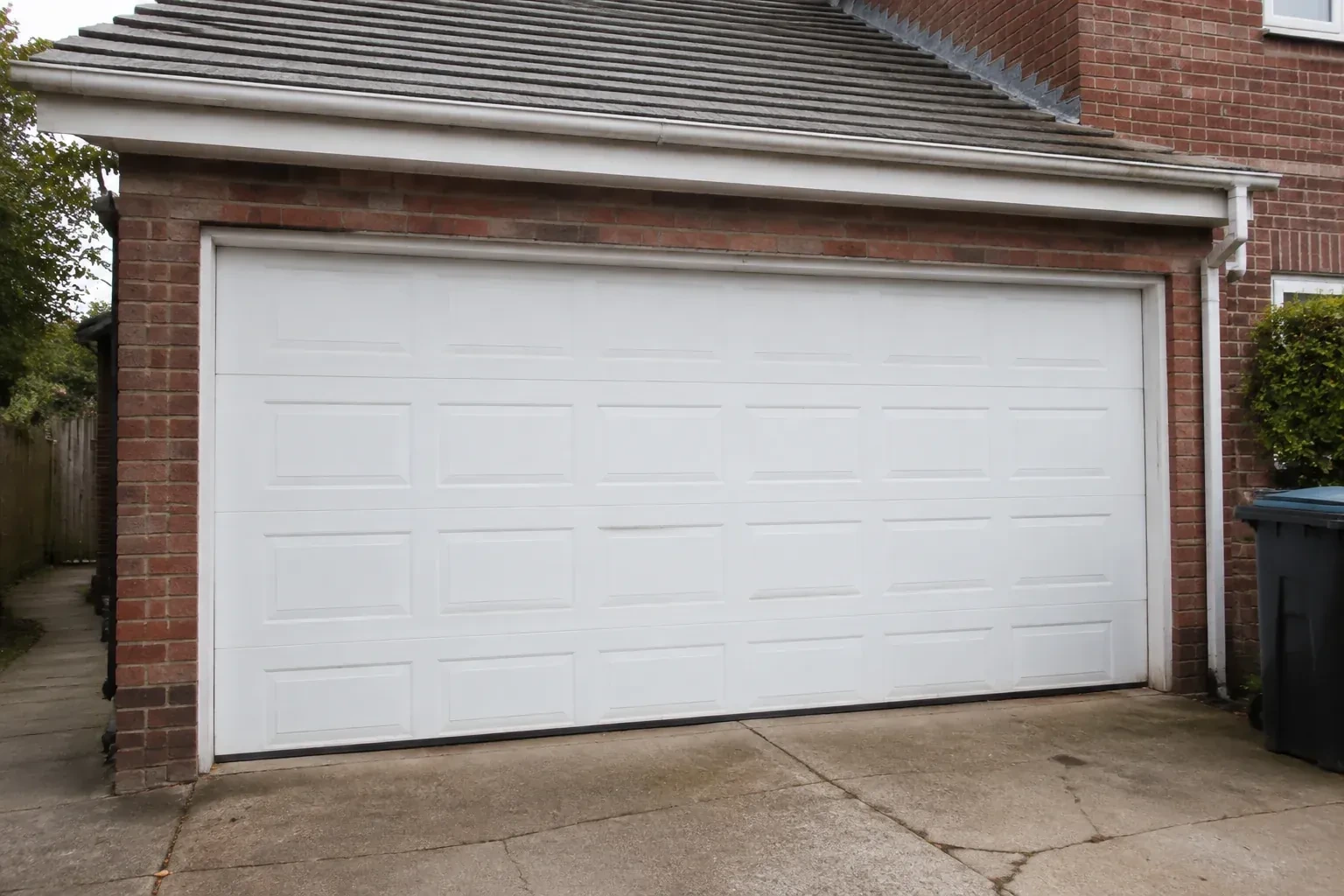
A rolling door uses interlocking slats or a flexible sheet that coils around a barrel above the opening. A sectional door uses hinged panels that travel along horizontal or vertical tracks. Their guides, counterbalance arrangements, clearances and repair parts differ, so identifying the construction before service is an important first step.
Related services
- Insulated Steel Garage Door InstallationYou want windows for natural light without turning the garage into a cold glass wall.
- Wind-Rated Garage Door ReplacementNew windows would improve the door's appearance, but they also change the section layout and reinforcement pattern.
- Carriage-House Garage Door InstallationCold air is noticeable around the current door, especially near the floor and section joints.