Repairs · Oakridge Acres
Garage Door Manual Lock Repair in Oakridge Acres
The outside handle wobbles in your hand and the inside knob spins round and round with nothing attached.
In plain words
A keyed garage handle hides more than it shows. On the common bar-style handle, a spindle passes through a centre lock body, where a spring and cam convert the quarter turn into a push on two long bars, each riding in a guide and ending in a track slot; other models pull a cable to release spring latches instead. Any of these can wear: springs weaken, cams round off, spindles twist, guides rust, bars bend. The repair replaces whichever pieces have given up, matching spindle length to the door's thickness and bar length to the door's width, so the rebuilt lock throws and releases with a crisp action.
How the visit goesYou have just moved in. The garage door carries a proper keyed handle on the outside, but no key came with the house, and the inside slide is painted over. You would like to be able to use it.
Garage Door Manual Lock Repair
How the visit goes
Following the bars to the tracks
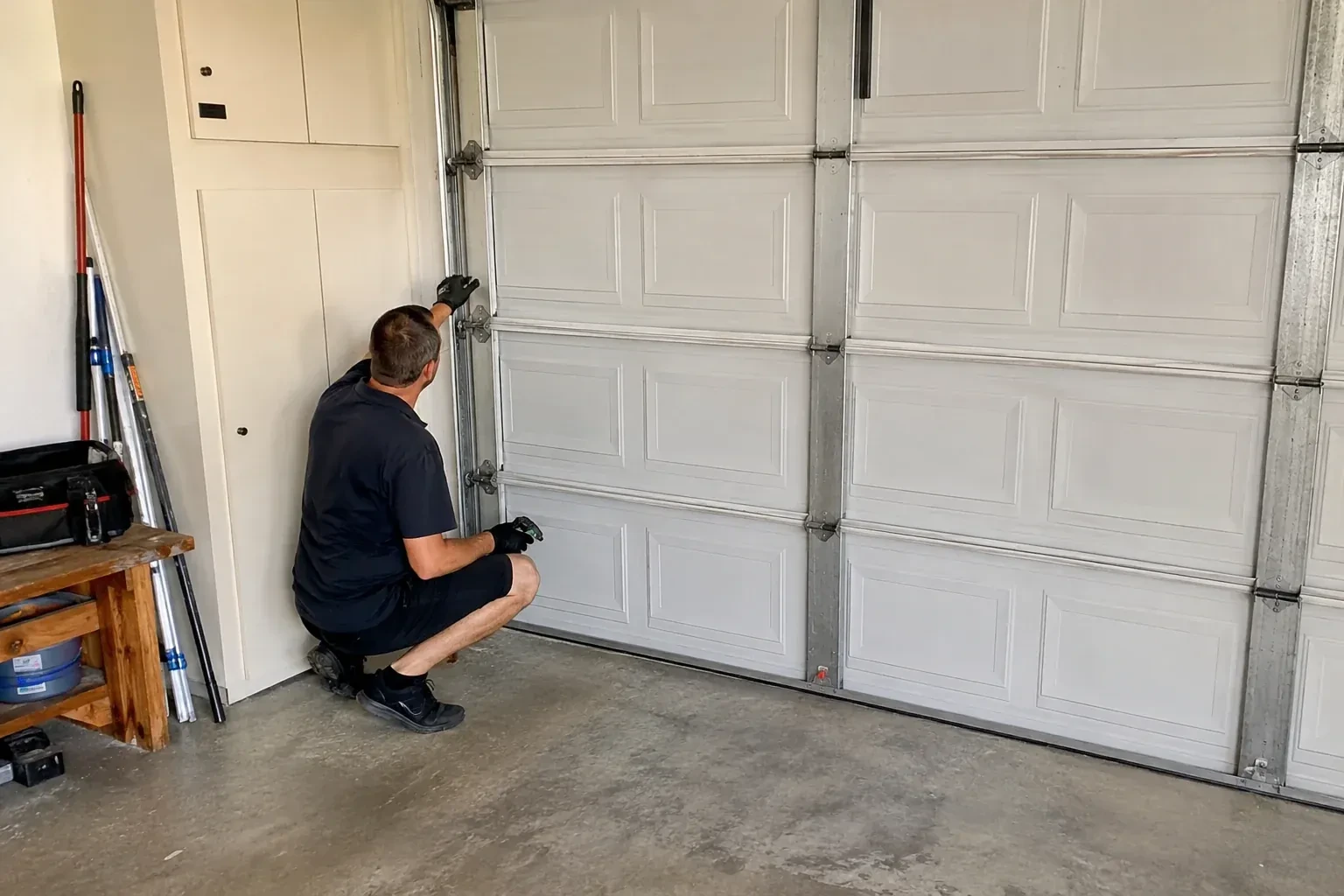
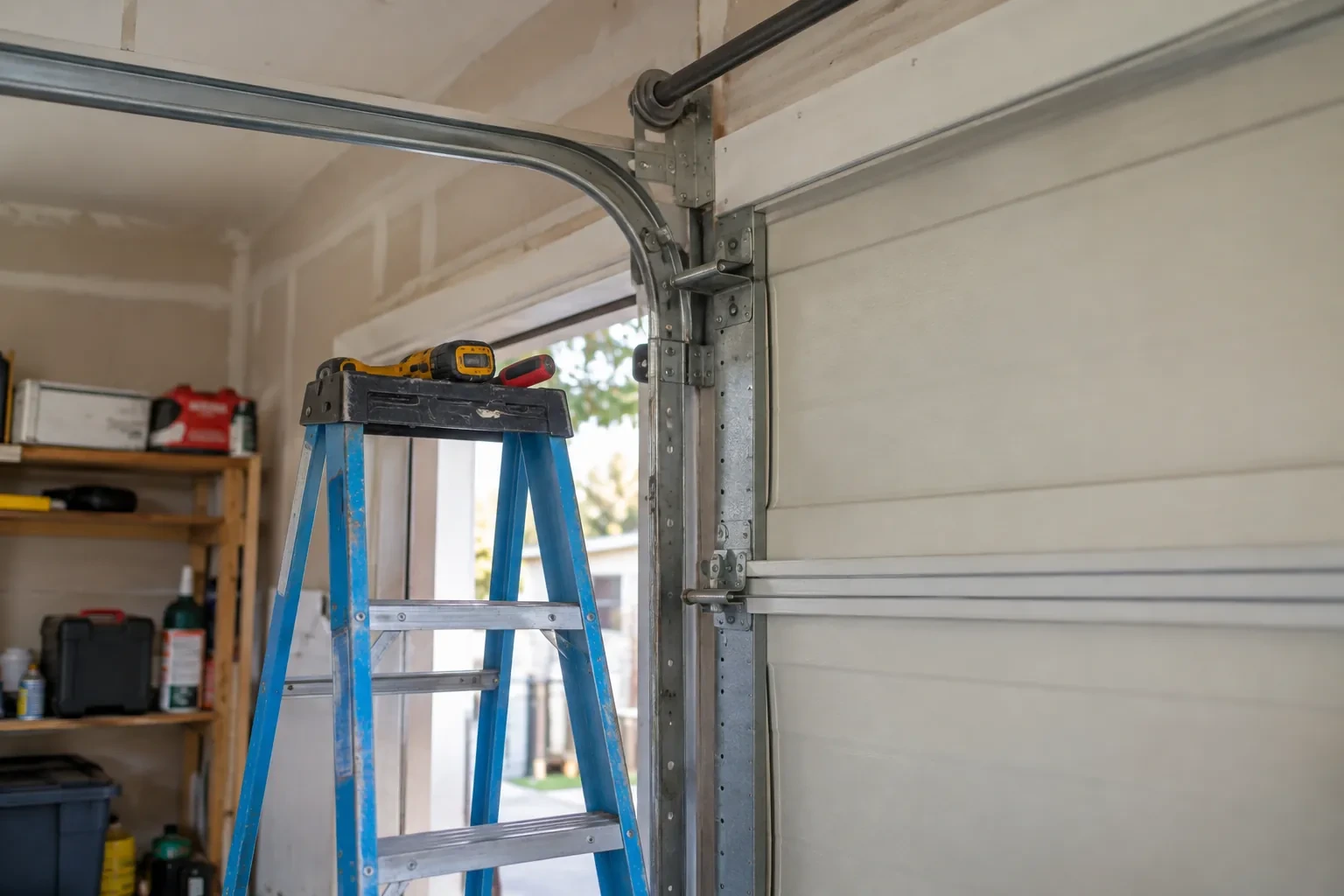
With the door shut, each bar is worked by hand while the technician watches its far end. It should travel smoothly through its guide, pass cleanly through the slot in the track, and come back the same way with no catching. A bar that binds points to rust in the guide or a guide that has been knocked out of line. A bar that reaches the track but not the slot points to alignment. A bar that is bent, kinked or hanging loose usually tells the story of an opener run against the lock. Both sides are checked even when only one is complained about, and the slots themselves are inspected for burrs, distortion and rust.
Cylinder work and keys
A keyed garage handle uses a small pin-tumbler cylinder that can be rekeyed or replaced without changing the handle. To rekey, the cylinder is withdrawn, the plug slid out with a follower, the bottom pins swapped to a new combination and the plug returned, so the old key is retired and freshly cut keys operate it. Where the cylinder is worn or its tailpiece has broken, a new cylinder with the correct tailpiece is fitted. If your house locks share the same keyway, the garage cylinder can be pinned to match, so one key runs the property. Keys are cut from the new pinning, tested in the handle, and counted into your hand.
Locking the door when the power is out
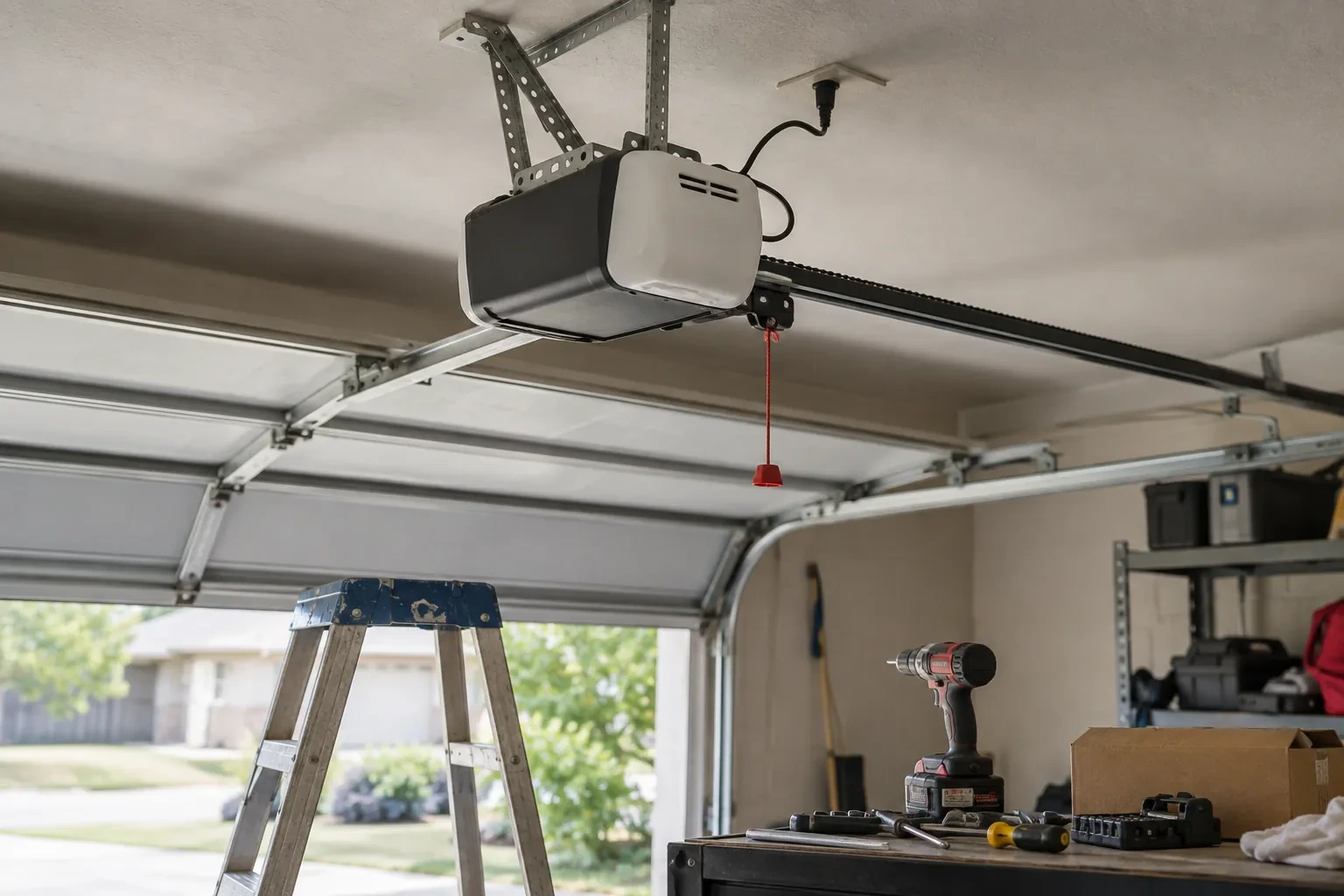
The manual lock is now your plan for a dark evening. The sequence is simple: with the door closed, pull the opener's release cord so the trolley disconnects, then throw the slide bolt or turn the T-handle to lock. In the morning, or when the power returns, reverse it exactly: unlock first, confirm both bars are clear of the track, then re-engage the opener as its manual describes, usually by running it once so the trolley picks up the arm. The technician walks through this with you at the door, and it is worth practising once so the order is second nature before the storm that makes it matter.
Garage Door Manual Lock Repair
In the van
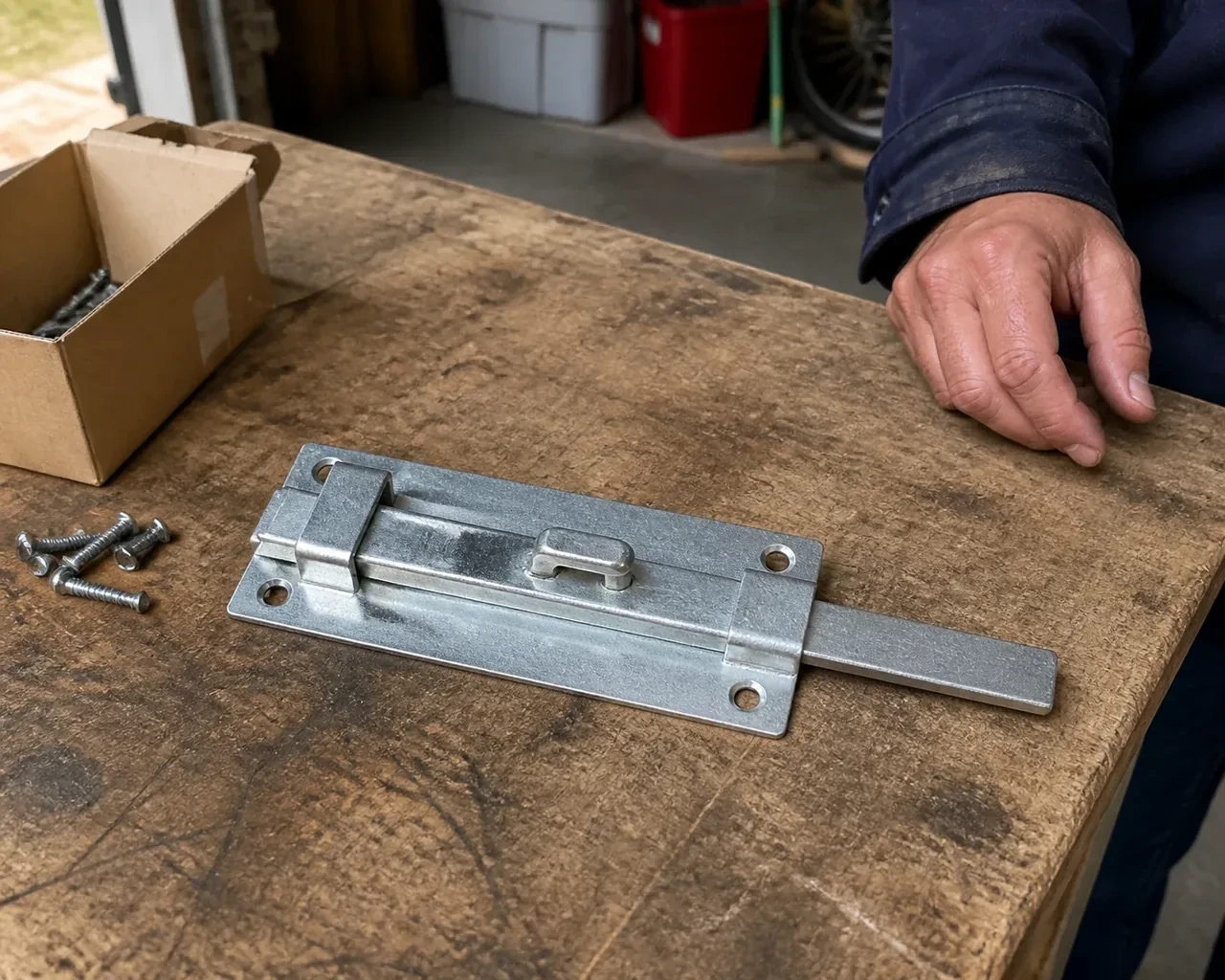
Inside slide bolt or snap latch
Dry graphite or PTFE lubricant
Lock bar guides
Keyed T-handle lock set
Lock cylinder with tailpiece
Garage Door Manual Lock Repair
What affects the quote
Corrosion and seized hardware
Screws rusted solid, a cylinder seized in its handle or bars welded into their guides take time to free or cut out, and corroded parts are replaced rather than reused.
Adjust, repair or replace
A guide reset or a cylinder rekey is a small job; a new mechanism or a complete handle set with bars is a larger one. The inspection settles which is needed before anything is quoted.
Whether an opener shares the door
A powered door adds the coordination step: removing or disabling the bars, demonstrating the console lock-out, or installing an automatic deadbolt if you choose one. Each is priced as chosen.
What to have ready
- Do you have a key for the lock, and how many keys would you like?
- Has the opener ever been run while the lock was engaged?
- Does the door close fully to the floor and sit level?
Garage Door Manual Lock Repair: questions
QuestionsWhat kinds of manual locks are found on garage doors?
Two are common on sectional doors. An inside slide bolt sits on the door's edge and shoots sideways into a slot in the vertical track; some are spring-loaded snap latches that lock on their own when the door closes. An outside keyed T-handle turns a centre mechanism that throws a bar into each track, though some models pull a cable to release a spring latch instead. Some doors add a keyed cylinder on the side to work the slide bolt from outside.
The handle turns but the bars stay put. What has broken?
Something in the short chain between the handle and the bars. The square spindle may have twisted or sheared, the set screw holding the inside knob may have let it spin free, the cam inside the centre body may have worn round, or the return spring may have snapped. The inside cover comes off to see which, and the failed part or the whole mechanism is replaced to suit.
Why does my slide lock stop short of the hole in the track?
Because the door is not resting where it rested when the lock was fitted. A heaved or settled slab, a loosened track bracket, a flattened bottom seal, packed snow at the threshold or an opener limit set a little high all move the door a few millimetres, and a few millimetres is all it takes. The technician corrects the door's closed position or resets the guide so the bar finds its slot again.
Related services
- Garage Door Tune-UpSince the first cold snap the door has been sluggish.
- Off-Track Garage Door ResetThe morning after a thaw the opener groaned, the door stayed stuck to the icy floor for a second, then lurched up crooked.
- Garage Door Panel ReplacementRust has crept along the bottom edge of the lowest section.