Openers · London
Garage Door Remote and Keypad Programming in London
The remote opens the door only when you are almost underneath it.
In plain words
Built-in garage buttons in a car's mirror or overhead console are remotes like any other, often with one extra step. On many rolling-code openers the car first learns the signal from a working handheld remote held close to it, then the opener learns the car: the technician presses the learn button and, in the window that follows, presses the vehicle button until the door moves. A fresh battery in the handheld remote makes the first step reliable, though some vehicle systems follow a different sequence with no handheld remote, so the instructions are confirmed first. An older system sometimes needs a small bridge module.
How the visit goesThe remote opens the door only when you are almost underneath it. From the end of the driveway you press five or six times and nothing happens. It started around the time the bulbs in the opener were changed to LEDs.
Garage Door Remote and Keypad Programming
How the visit goes
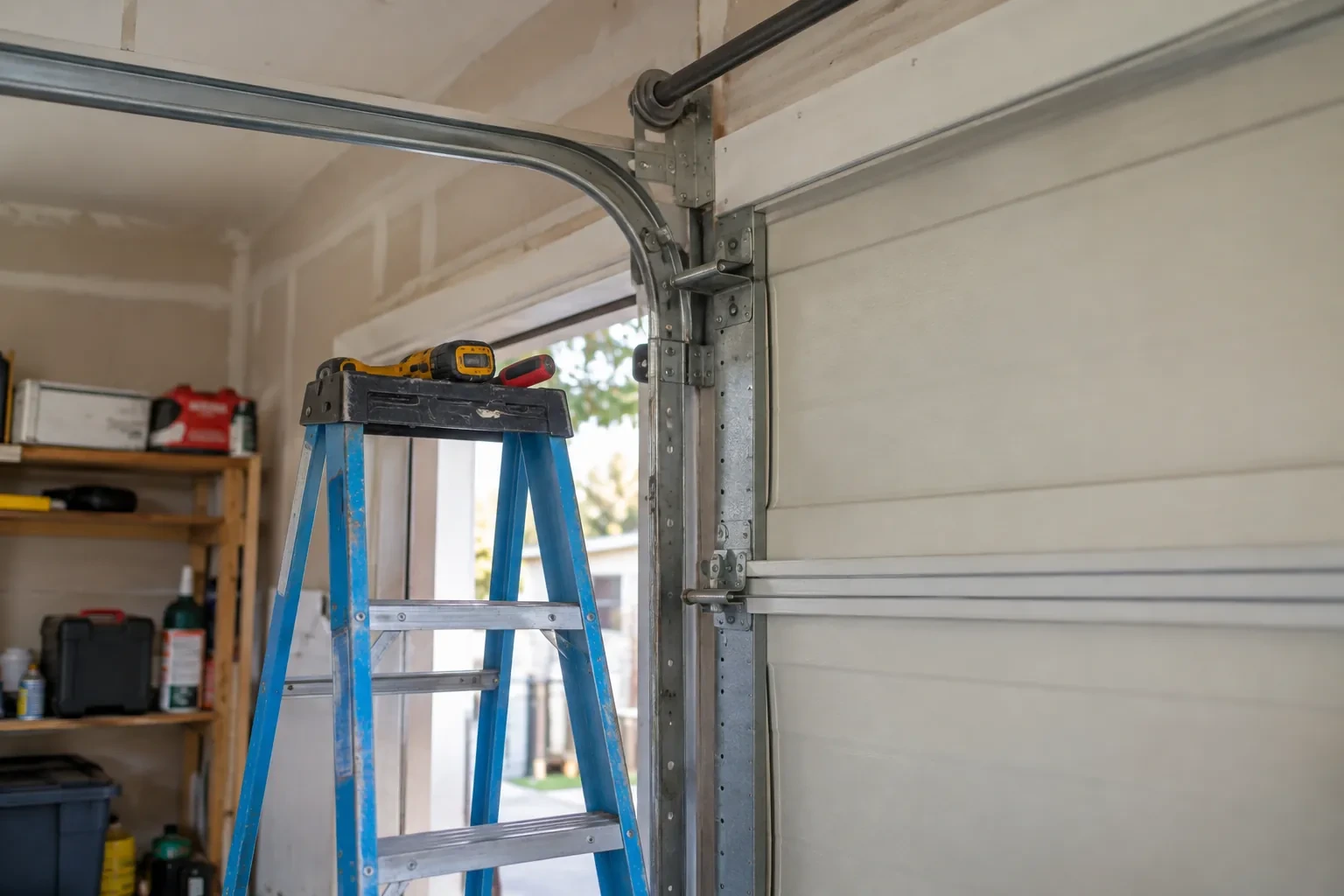
Range, bulbs and the antenna
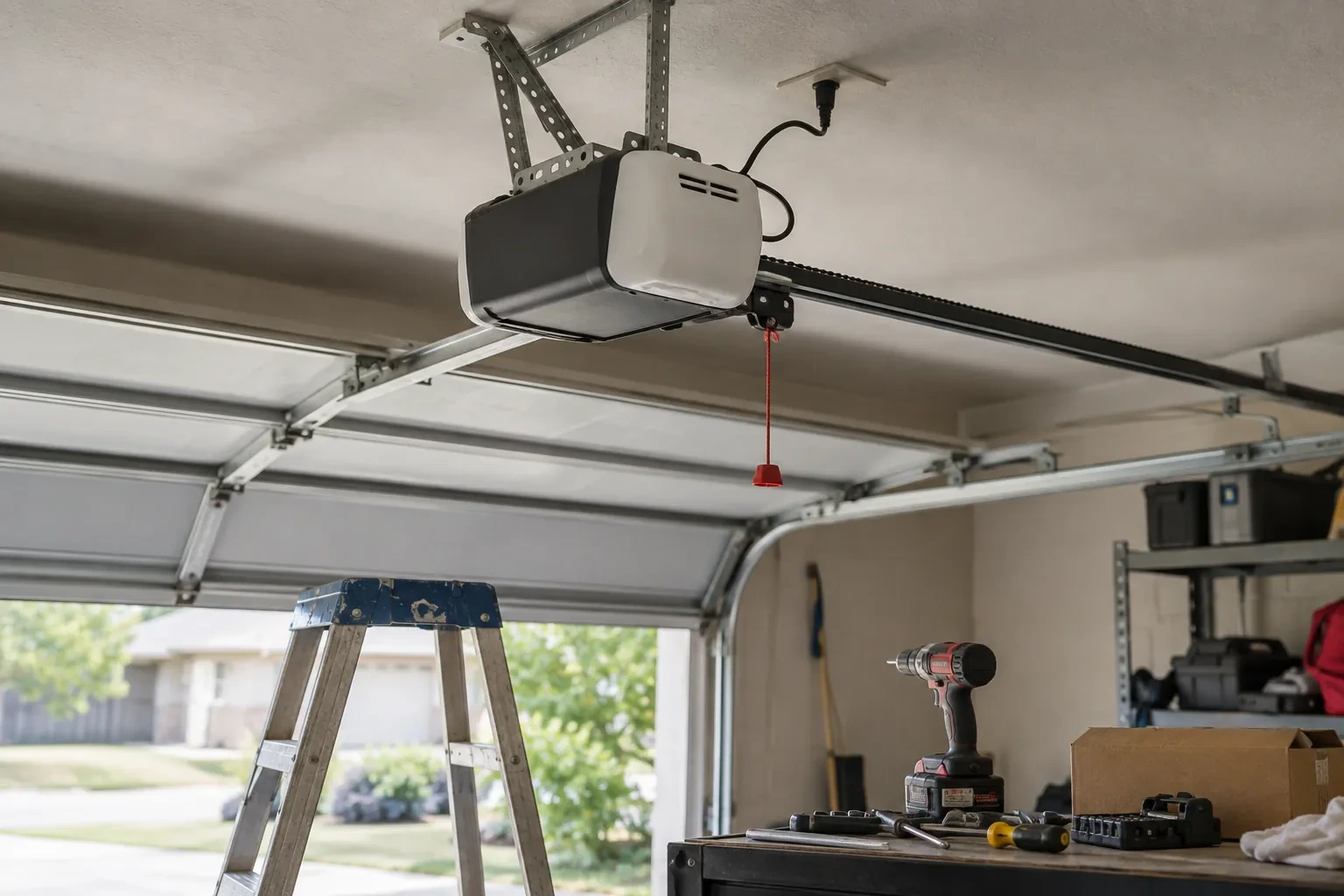
When remotes work only from directly beneath the opener, the technician checks the radio environment. LED bulbs, especially ones screwed into the head unit's own sockets, can emit noise that swamps the receiver, and swapping in a different bulb often restores range on the spot. The antenna wire should hang straight down from the head unit, not be coiled up or tucked behind the cover. Nearby electronics, a new metal shelving unit or a car parked with its own transmitter can also matter. A range test with a fresh remote at set distances puts numbers on the problem before any part is blamed.
Proving the door is safe after programming
Every programming visit ends the same way, because a control that moves the door is also a control that can close it on something. Each remote button, each keypad code, each vehicle button and the wall control are operated in turn while the technician watches the full travel. Then the door is closed onto a 2x4 lying flat on the floor and must return to open on contact, and closed again while an object passes through the photo-eye beam, which must stop and reverse it. Only when both tests pass is the work signed off and the controls handed over.
The car opens the door, and the door knows the car
Vehicle buttons are trained and tested from the driver's seat, and you know how yours was set up, since not every system uses the same two-stage method of the car learning a remote and then the opener learning the car. If you change vehicles, the new one is set up to its own instructions, and the old one's button should be cleared before the car is sold or returned from a lease. The handover note records which vehicles are programmed and to which door. Where a bridge module was fitted for an older in-car system, its location and what it does are pointed out so a future technician is not puzzled by it.
Garage Door Remote and Keypad Programming
In the van
Keypad mounting screws and anchors
In-vehicle compatibility bridge module
Low-interference replacement bulbs
Universal multi-generation remote
Receiver transformer and two-conductor wire
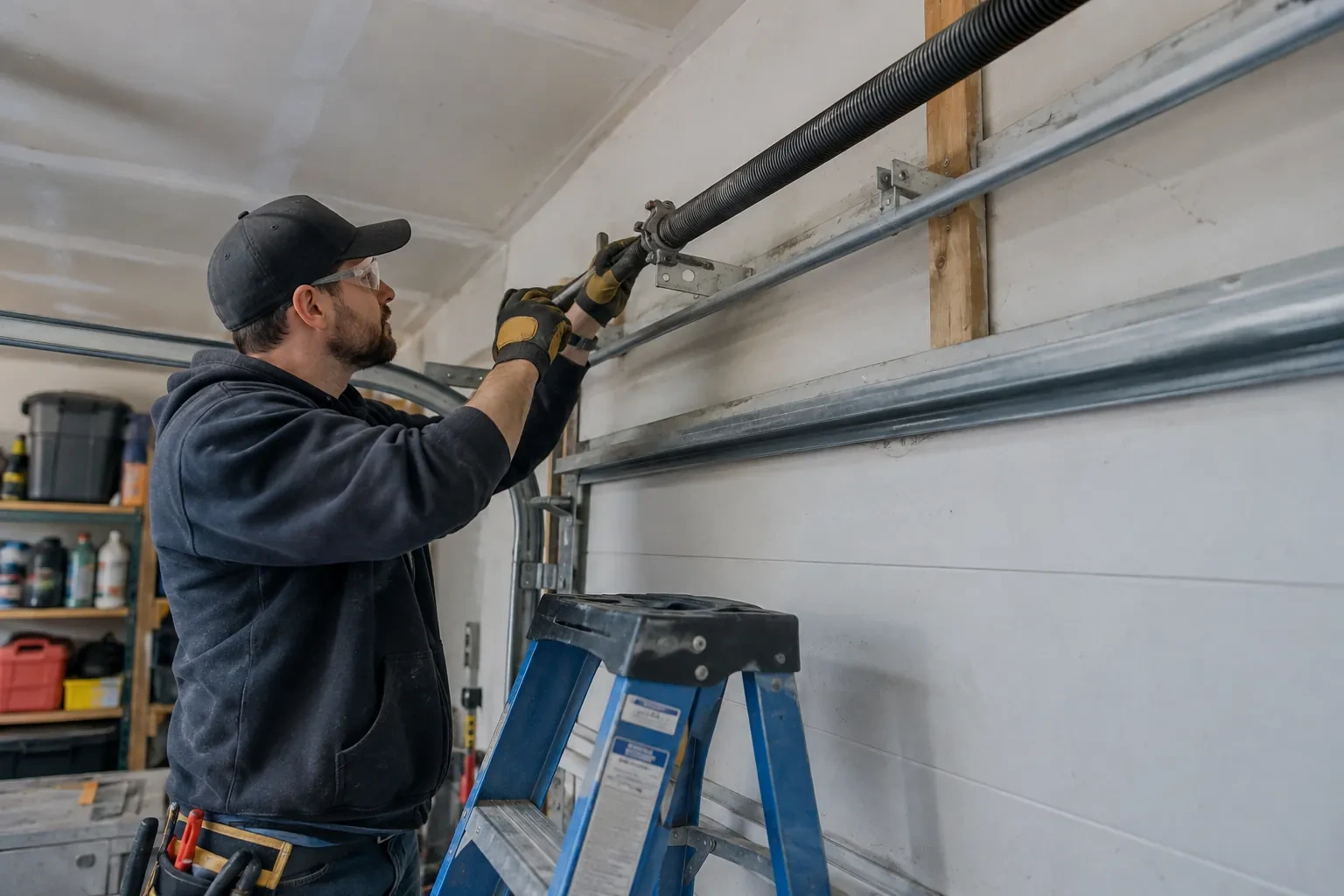
Garage Door Remote and Keypad Programming
What affects the quote
Distance to your door
Travel is part of the visit, and a house across town and a property well outside it involve different driving time.
Range and interference work
Swapping bulbs, freeing the antenna and re-testing range from the street is a small addition when remotes work only up close.
Batteries supplied
Coin cells for remotes and the small cells in keypads are counted per device when the technician supplies them, and noted so you know what to buy next time.
What to have ready
- Roughly how old is the opener, and can you read its model label?
- What colour is the small learn or program button under the opener's light cover?
- Is the light on the wall control blinking steadily?
Garage Door Remote and Keypad Programming: questions
QuestionsWhy does my remote work only when I am right under the door?
Short range is a signal problem, not a pairing problem. LED bulbs in the opener's own sockets can emit radio noise that swamps the receiver, an antenna wire tucked into the housing cannot hear well, and a coin cell near the end of its life transmits weakly before it dies. Swapping the bulb, letting the antenna hang free and fitting a fresh cell usually restore range; if not, the receiver is checked.
How many remotes can one opener store?
It depends on the unit. Older head units and add-on receivers hold a handful of devices, often fewer than ten, while newer openers store dozens of remotes, keypad codes and vehicle buttons. When a memory is full, the oldest entry may be overwritten or the new device refused. Taking stock of which controls are still in use, and clearing the ones that are not, keeps space for the devices that matter.
The wall button works but none of the remotes do. Is that a programming job?
Sometimes, but the technician rules out two things first. Lock mode on the wall control tells the opener to ignore every remote, and gives itself away by a steadily blinking wall indicator and two flashes of the opener light whenever a remote is pressed; holding the lock button releases it. A memory cleared by a long press on the learn button is the other cause, and that one is a programming job.